The Ever-Evolving World of Entertainment: From Silver Screens to Digital Dreams
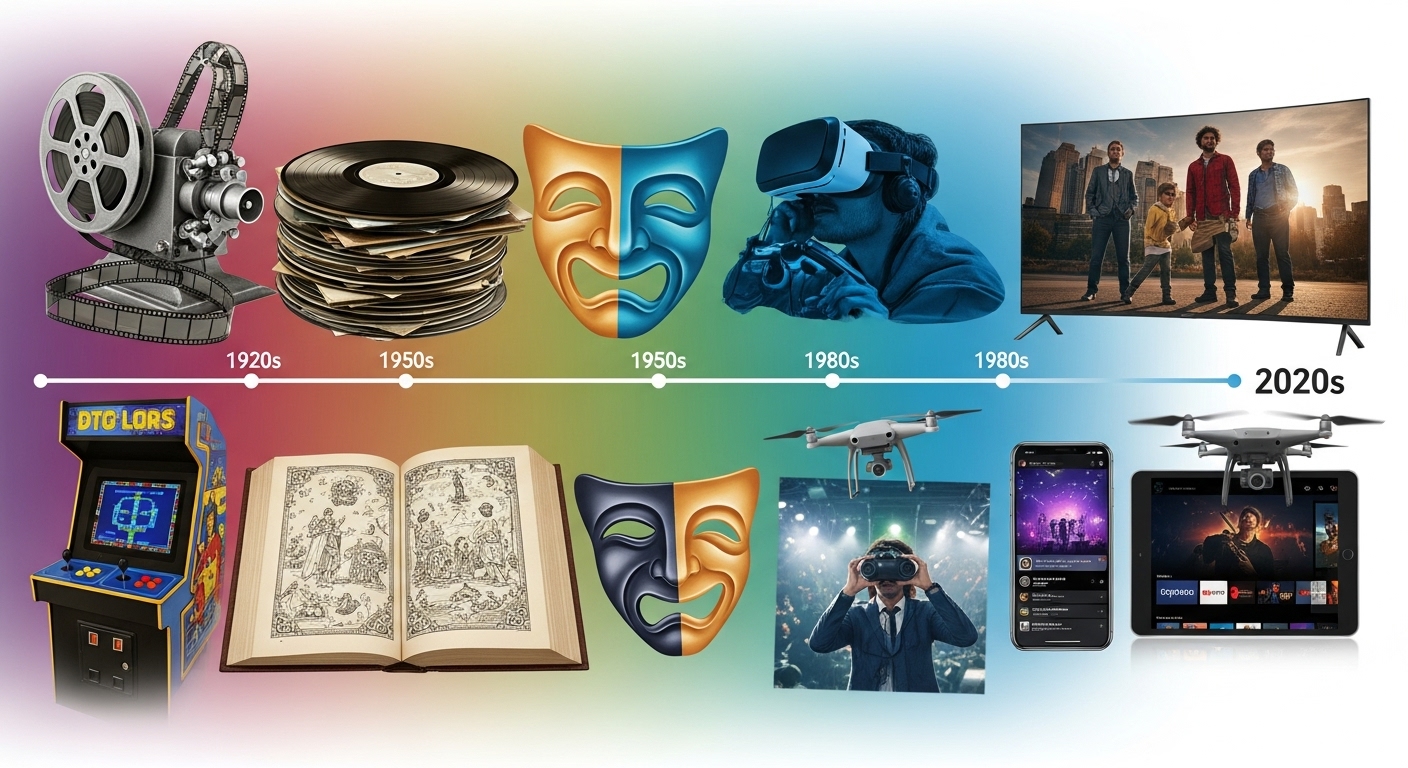
Entertainment has always been an integral part of human civilization. From the earliest cave paintings that depicted hunting scenes to grand theaters in ancient Greece, humans have consistently sought ways to amuse, inspire, and connect with each other. In the modern era, entertainment has expanded far beyond traditional boundaries, embracing new technologies, creative formats, and diverse audiences. Today, entertainment encompasses movies, television, music, gaming, digital content, live performances, and much more. This blog explores the fascinating landscape of contemporary entertainment, highlighting its evolution, trends, and cultural impact.
The Timeless Allure of Movies
Movies have long been a cornerstone of entertainment. They allow audiences to escape reality, explore new worlds, and experience emotions that transcend their everyday lives. From the silent films of the early 20th century to today’s blockbuster spectacles, the cinematic industry has continuously reinvented itself.
The Golden Era of Cinema
The 1930s to the 1950s are often referred to as the Golden Age of Cinema. This period saw the rise of iconic actors, legendary directors, and classic films that remain influential today. Studios like MGM, Warner Bros., and Paramount dominated the industry, producing movies that ranged from epic musicals to suspenseful thrillers. Audiences were drawn not only to the stories but also to the glamour and star power of the era.
Modern Blockbusters and the Rise of Franchises
In the 21st century, movies have taken on a global dimension. Franchises such as Marvel, Harry Potter, and Fast & Furious dominate box offices worldwide, creating fan bases that transcend language and culture. Modern films often blend high-quality storytelling with cutting-edge technology, such as CGI and motion capture, to create immersive experiences. Streaming services have further revolutionized access, allowing audiences to watch premiere releases from the comfort of their homes.
Independent Films and Artistic Expression
While blockbusters capture mass attention, independent films continue to push the boundaries of creativity. Indie filmmakers explore unconventional narratives, experiment with unique visual styles, and highlight underrepresented voices. Film festivals such as Sundance and Cannes celebrate these works, giving filmmakers a platform to showcase their artistry to the world.
Television: From Broadcast to Binge-Watching
Television has undergone a remarkable transformation over the decades. What started as a limited broadcast medium has now become an expansive universe of content, catering to diverse tastes and lifestyles.
The Evolution of TV Programming
Television in the mid-20th century was primarily limited to a few channels with scheduled programming. Families would gather around the TV for popular shows, ranging from sitcoms to dramas and live events. The 1980s and 1990s brought cable networks, expanding the variety of channels and creating niche programming for specific audiences.
The Streaming Revolution
The most significant shift in television consumption came with the advent of streaming platforms. Services like Netflix, Amazon Prime, and Disney+ have changed the way we watch TV. Binge-watching entire seasons has become a cultural phenomenon, and original content from streaming services often rivals traditional network programming in quality and creativity.
Reality TV and Audience Participation
Reality television has become another major aspect of modern entertainment. Shows like talent competitions, dating programs, and lifestyle series allow audiences to engage with real people rather than fictional characters. This form of entertainment appeals to the human fascination with storytelling that feels immediate and relatable.
The Universal Language of Music
Music has a unique ability to connect people across cultures, languages, and generations. Its influence permeates entertainment, social media, advertising, and even our daily lives.
Musical Genres and Global Influence
From classical and jazz to hip-hop, pop, and electronic dance music, musical genres continually evolve, reflecting cultural shifts and technological advancements. Globalization has allowed music from different parts of the world to gain international recognition, resulting in exciting fusions of styles and collaborations between artists from diverse backgrounds.
The Role of Streaming in Music
Much like television, the music industry has experienced a digital transformation. Streaming services have become the primary mode of music consumption, replacing physical albums and digital downloads. Platforms like Spotify and Apple Music allow listeners to explore a virtually limitless library of songs, while algorithms help introduce new artists to audiences who might never have discovered them otherwise.
Live Performances and the Festival Culture
Live music remains a powerful form of entertainment. Concerts and music festivals, from Coachella to Glastonbury, provide immersive experiences that combine sound, visuals, and communal energy. Attending a live show can be transformative, creating memories and connections that linger long after the event ends.
Gaming: The Interactive Entertainment Frontier
Video games have emerged as one of the most influential sectors of modern entertainment. Unlike passive forms like movies or television, gaming allows users to actively participate, making choices that shape the experience.
The Rise of Gaming Culture
Once considered a niche hobby, gaming has grown into a mainstream industry with billions of players worldwide. Console gaming, PC gaming, and mobile gaming cater to different audiences, while esports competitions have elevated gaming to professional, spectator-worthy events. Games like Fortnite, League of Legends, and Minecraft have become cultural phenomena, influencing fashion, language, and social interactions.
Technological Innovations in Gaming
Advances in technology have made games more immersive than ever. Virtual reality (VR), augmented reality (AR), and cloud gaming allow players to experience new levels of interactivity. Developers continue to explore narrative-driven games that rival movies in complexity and emotional impact, creating rich worlds that captivate players for hours.
Gaming as a Social Experience
Gaming is not just an individual activity; it is increasingly social. Online multiplayer games and streaming platforms allow players to connect with friends and communities worldwide. Live-streamed gameplay, speedruns, and esports tournaments foster a sense of belonging and shared excitement among fans.
The Influence of Digital Content Creators
The rise of social media has democratized entertainment, allowing anyone with talent, creativity, and a camera to reach a global audience.
YouTube, TikTok, and the New Wave of Entertainers
Platforms like YouTube and TikTok have transformed how people consume and create content. Influencers, vloggers, and content creators produce everything from comedic sketches to educational videos, reaching millions of viewers. The appeal of these platforms lies in their immediacy and authenticity, often offering more relatable and interactive experiences than traditional media.
Podcasts and Audio Entertainment
Audio content has also seen significant growth. Podcasts allow creators to share stories, discussions, and interviews on virtually any topic imaginable. With the convenience of listening on the go, podcasts have become an increasingly popular form of entertainment and information, blending education, humor, and storytelling.
Live Entertainment: Theater, Sports, and Beyond
Live entertainment continues to captivate audiences, offering experiences that cannot be replicated on screens.
Theater and Performance Arts
Theater has a long and storied history, from Shakespearean plays to modern experimental performances. Live performances offer a unique connection between performers and audiences, making every show distinct. Musicals, dance performances, and live comedy shows also continue to thrive, blending tradition with contemporary creativity.
Sports as Entertainment
Sports are a global form of entertainment that transcends age, culture, and geography. Major events like the Olympics, World Cup, and Super Bowl draw massive audiences, both in stadiums and through broadcasts. Beyond the athleticism, sports entertain through drama, rivalry, and the celebration of human potential.
Festivals and Cultural Events
Cultural festivals and public events offer immersive experiences that celebrate art, music, food, and tradition. From film festivals to music carnivals and local fairs, these events create communal enjoyment and foster cultural exchange.
Entertainment and Technology: Shaping the Future
Technology continues to redefine entertainment, making it more interactive, immersive, and accessible. Artificial intelligence, virtual reality, augmented reality, and advanced graphics are expanding the possibilities for storytelling, gameplay, and content creation.
Virtual Reality and Augmented Reality
VR and AR allow audiences to step inside stories and interact with digital environments in unprecedented ways. VR gaming, immersive theater experiences, and AR-enhanced live performances are just the beginning of what these technologies can offer.
Artificial Intelligence and Personalized Content
AI algorithms are now helping shape the entertainment we consume. Personalized recommendations on streaming platforms, AI-generated music, and virtual influencers illustrate how technology can tailor experiences to individual preferences, making entertainment more engaging and personalized than ever before.
The Metaverse and the Future of Entertainment
The concept of the metaverse—a persistent, shared virtual universe—is beginning to influence entertainment. From virtual concerts and digital art exhibitions to interactive storytelling experiences, the metaverse could transform how we socialize, play, and experience culture on a global scale.
The Cultural Impact of Entertainment
Entertainment is more than just amusement; it reflects and influences society. Films, music, games, and digital content shape cultural norms, challenge perceptions, and foster empathy by exposing audiences to new ideas and perspectives.
Representation and Diversity
Modern entertainment increasingly prioritizes representation and inclusivity. Diverse casting, international collaborations, and stories from marginalized communities are reshaping narratives, making entertainment more reflective of the real world.
Social Connection and Community
Entertainment fosters social connection. Shared fandoms, online communities, and collective experiences at concerts, movie screenings, or sporting events create bonds between individuals, reinforcing the idea that entertainment is a shared human experience.
Reflection and Escape
Entertainment offers both reflection and escape. While it can provide commentary on social issues, history, and human behavior, it also allows audiences to temporarily leave behind stress, work, or personal challenges and immerse themselves in joy, excitement, or wonder.
Conclusion: The Ever-Changing Landscape of Entertainment
Entertainment is a dynamic, multifaceted force that continually evolves alongside human creativity, culture, and technology. From the classic appeal of movies and music to the interactive experiences of gaming and digital content, entertainment reflects our desires, dreams, and connections. It transcends mere amusement, shaping how we perceive the world, relate to others, and experience life itself.
As we look to the future, entertainment will continue to innovate, breaking boundaries and exploring new frontiers, all while keeping the timeless human desire for storytelling, imagination, and shared experience at its heart.
The Ever-Evolving World of Entertainment: From Silver Screens to Digital Dreams