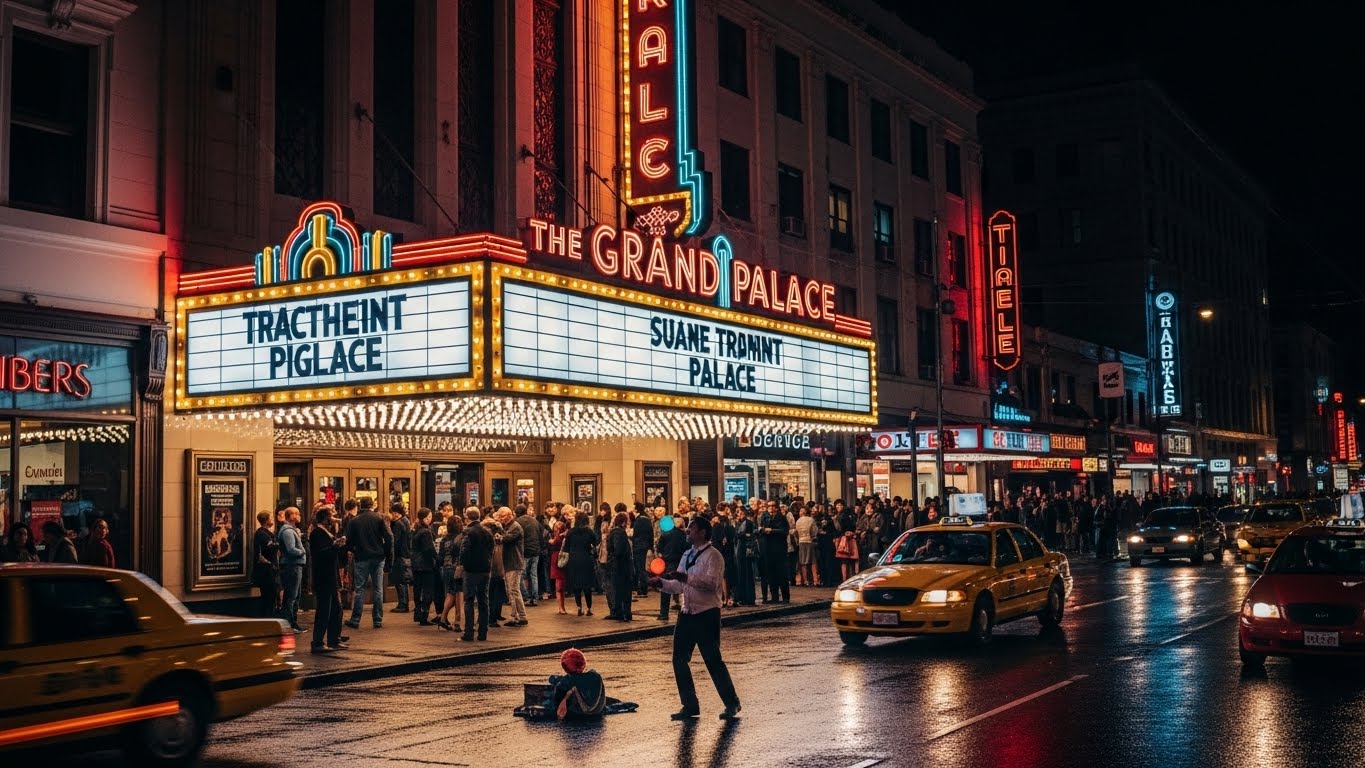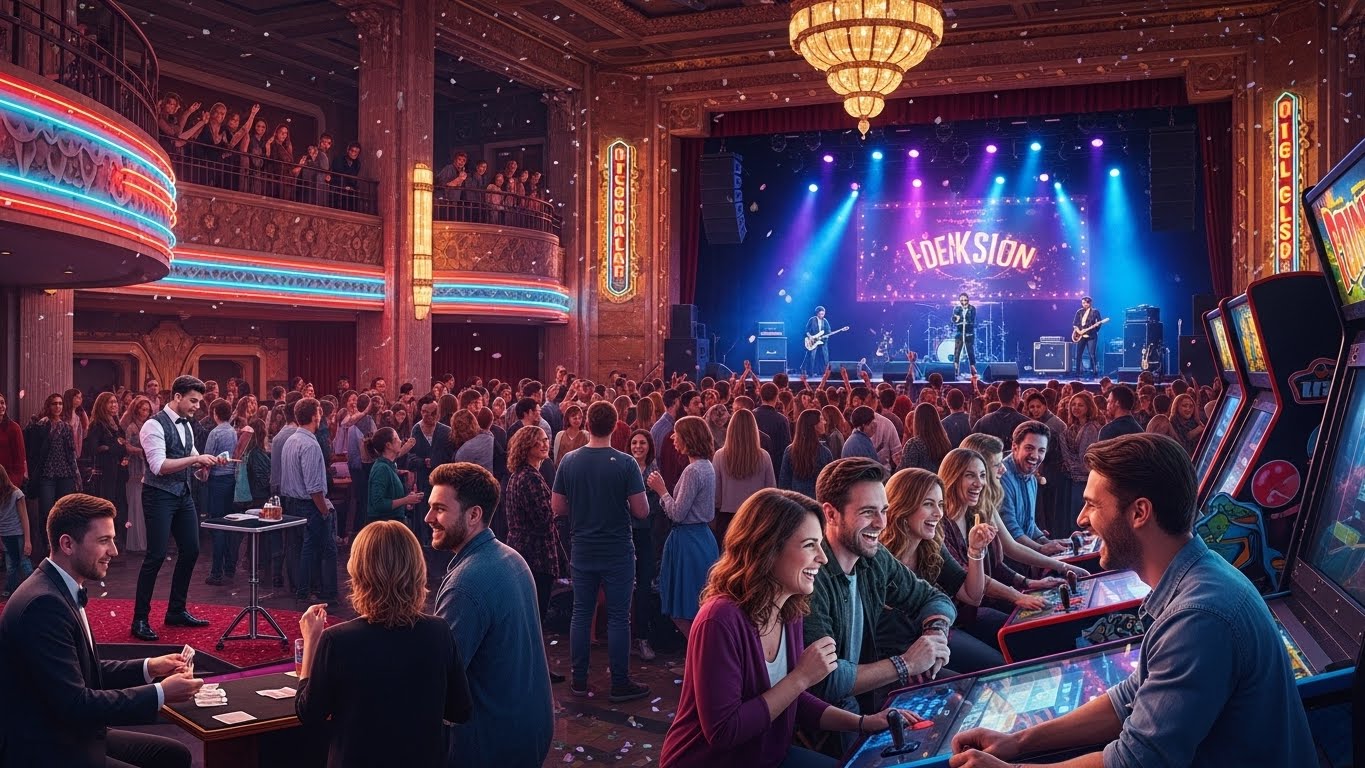
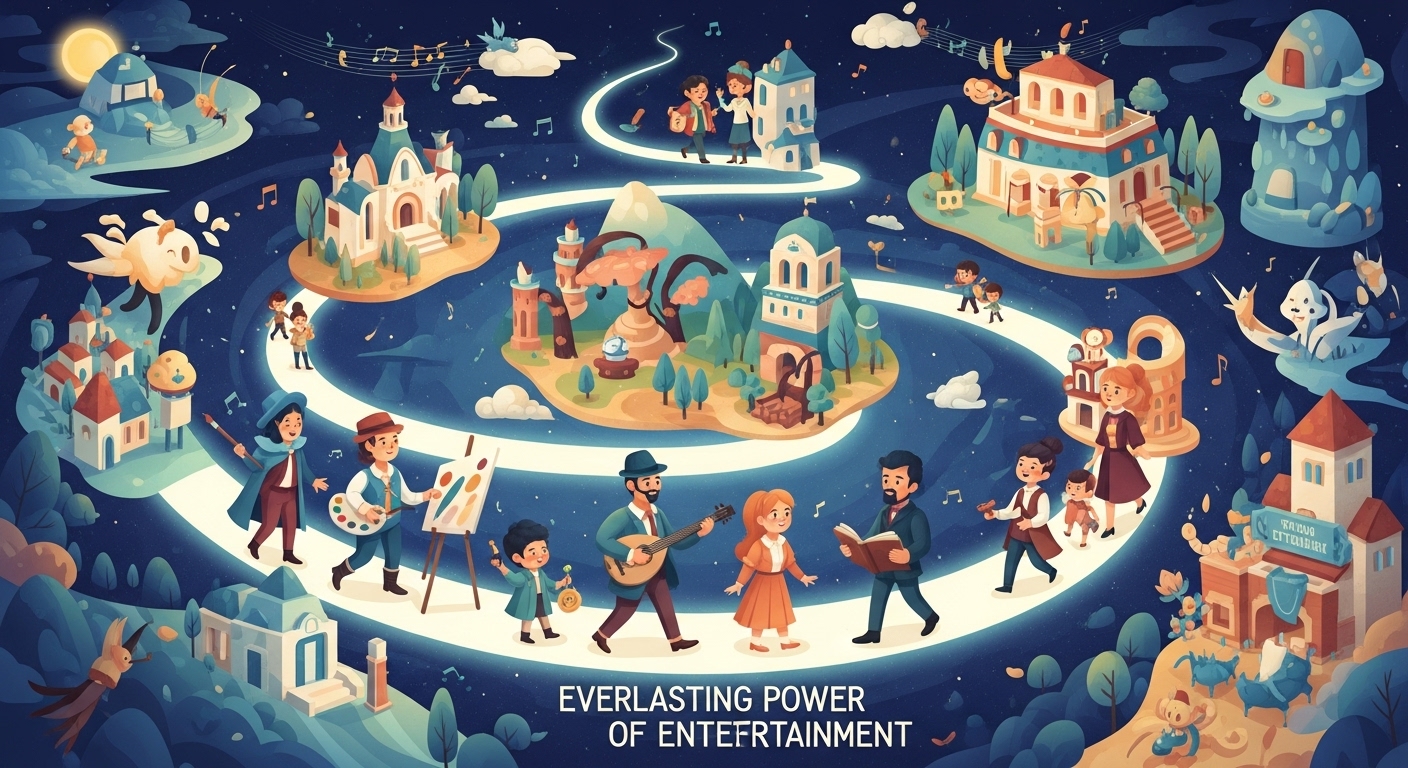
Entertainment is one of the most dynamic and fascinating aspects of human life. It has always been at the heart of civilization, shaping cultures, bringing people together, and providing a much-needed escape from the monotony of daily routines. From the ancient storytelling traditions around a fire to the digital streaming era that dominates the world today, entertainment has evolved beyond imagination. It is not merely about fun or laughter—it’s a mirror of society, reflecting emotions, values, dreams, and desires. This blog explores the vast and colorful world of entertainment, its history, its present, and how it continues to transform in the modern age.
The Origins of Entertainment
The concept of entertainment is as old as humanity itself. Thousands of years ago, before technology or written language, people entertained themselves through music, dance, and storytelling. Tribal rituals often included rhythmic drumming and chants, while early cave paintings depicted scenes of hunting and celebration. These forms of expression were not only sources of joy but also means of communication and cultural preservation.
In ancient civilizations such as Egypt, Greece, and Rome, entertainment became more organized and elaborate. The Greeks introduced theatre as a formal art form, giving rise to timeless tragedies and comedies that explored human nature and moral dilemmas. In Rome, grand gladiator battles and chariot races filled massive amphitheaters, captivating audiences and showcasing the empire’s power. Although many of these events were brutal, they reflected the societal values and excitement of the time.
Music also played an essential role in ancient entertainment. The melodies of the lyre, flute, and harp brought emotional depth to celebrations and ceremonies. Over time, music became intertwined with storytelling, evolving into the foundation of modern performance arts.
The Age of Theatre and Live Performances
As centuries passed, entertainment continued to evolve through theatre and live performances. During the Renaissance period, the world saw a rebirth of arts and culture. Theatres became popular across Europe, with playwrights like William Shakespeare crafting stories that remain timeless masterpieces. His works captured the complexities of human nature—love, jealousy, power, and betrayal—and were performed for both the elite and the common people.
Live performances were not limited to plays alone. Street performers, magicians, and jesters entertained crowds in markets and public squares. Music concerts, opera, and dance performances grew in popularity among aristocrats. The sense of community that live entertainment created was unmatched, as people gathered to share laughter, emotions, and experiences together.
The Birth of Cinema: A New Era of Entertainment
The late 19th century marked a revolutionary turning point with the invention of motion pictures. Cinema emerged as one of the most powerful and influential forms of entertainment ever created. The early silent films, though simple, mesmerized audiences who were amazed by moving images for the first time. Pioneers like the Lumière brothers and Georges Méliès transformed storytelling by bringing imagination to life on the big screen.
By the early 20th century, Hollywood became the epicenter of the film industry. With advancements in sound and color, movies became more realistic and emotionally engaging. Films like “Gone with the Wind,” “Casablanca,” and “The Wizard of Oz” defined generations and introduced iconic characters and unforgettable moments. Cinema gave birth to global stars who became symbols of glamour, creativity, and influence.
Movies became more than entertainment—they became cultural statements. They addressed political issues, explored social changes, and provided an escape from reality. The golden age of cinema during the mid-20th century established film as one of the greatest artistic mediums of all time.
The Rise of Television and Home Entertainment
While cinemas attracted millions, the invention of television brought entertainment directly into people’s homes. In the 1950s and 60s, TV sets became household essentials, transforming family life. Families gathered around their televisions to watch news, sitcoms, and variety shows. Television created a sense of unity and shared experience, as entire communities discussed the same programs.
TV stars became household names, and shows like sitcoms, dramas, and talk shows dominated popular culture. As technology improved, color broadcasting, remote controls, and cable networks expanded the possibilities even further. By the 1980s and 90s, television had diversified into music channels, sports coverage, and educational programming.
This era also saw the birth of reality TV, a genre that blurred the line between real life and entertainment. People were fascinated by unscripted moments and ordinary individuals gaining fame. Television not only entertained but also influenced fashion, language, and even political opinions.
Music: The Universal Language of Entertainment
No discussion of entertainment is complete without acknowledging the power of music. From classical symphonies to modern pop, music transcends borders and connects hearts. Each era brought new sounds and legends—from Mozart and Beethoven’s orchestras to Elvis Presley’s rock revolution, The Beatles’ global phenomenon, and today’s digital superstars.
The evolution of music reflects the evolution of society. The 1960s saw music as a form of protest and self-expression, while the 80s brought vibrant pop and the rise of MTV. The 21st century ushered in digital streaming, where platforms made it easier for artists to reach audiences directly. Genres like hip-hop, electronic, and K-pop have gained massive international followings, proving that music truly knows no limits.
Concerts and music festivals have become modern rituals of joy, unity, and creativity. They provide unforgettable experiences, where fans and artists share an emotional connection. Music continues to be one of the most powerful forces in entertainment because it speaks to the soul.
Sports as Entertainment: The Thrill of Competition
Sports have long been one of the most popular and unifying forms of entertainment. Whether it’s football, cricket, basketball, or the Olympics, sports bring people from different backgrounds together under one shared passion. The excitement of competition, the unpredictability of outcomes, and the display of human strength and skill make sports an emotional experience.
Athletes have become modern-day icons, inspiring millions with their dedication and achievements. Sporting events are no longer just about the games—they are grand spectacles filled with music, performance, and emotion. From opening ceremonies to halftime shows, sports today blend competition with artistry, creating a complete entertainment experience.
The Digital Revolution: Streaming, Gaming, and Online Content
The 21st century has completely transformed the landscape of entertainment. With the rise of the internet, smartphones, and streaming services, people now have the world of entertainment at their fingertips. Gone are the days when one had to wait for scheduled TV broadcasts. Now, viewers can watch movies, series, and videos anytime, anywhere.
Streaming platforms have created a new era of on-demand entertainment. They have also given rise to original content, allowing independent creators to reach global audiences. The freedom of choice has made entertainment more personal and diverse than ever before.
Gaming has also emerged as one of the most influential entertainment industries. Video games have evolved from simple arcade experiences to complex, story-driven adventures. Esports tournaments now attract millions of viewers, rivaling traditional sports events in popularity. Gaming combines art, storytelling, and technology, creating immersive worlds where players become part of the narrative.
Social media platforms have further blurred the boundaries of entertainment. Short videos, live streams, memes, and digital influencers have become part of daily life. Content creation has become democratized—anyone with a smartphone can become an entertainer.
The Role of Technology in Shaping Entertainment
Technology is the backbone of modern entertainment. From special effects in films to virtual reality experiences, it continues to push the limits of imagination. Artificial intelligence is being used to compose music, write scripts, and even create digital performers. Virtual concerts and interactive storytelling are changing how audiences experience art.
Augmented and virtual reality are making entertainment more immersive than ever. Imagine attending a concert from your living room or exploring a fictional world as if you were inside it. These innovations are not just futuristic—they are already happening, redefining the meaning of engagement.
The Business of Entertainment
Behind every movie, song, or show lies a massive industry driven by creativity and commerce. Entertainment is one of the world’s largest economic sectors, employing millions across film, music, television, sports, gaming, and digital media. The success of an entertainer or production is not only based on talent but also on marketing, branding, and audience connection.
Streaming platforms, digital advertising, and influencer collaborations have changed how entertainment generates revenue. Today’s artists are entrepreneurs, managing their own brands and connecting directly with fans through social media. The business side of entertainment continues to grow with innovation, merging art with technology and strategy.
The Cultural Impact of Entertainment
Entertainment does more than amuse—it shapes values, trends, and identities. Movies, songs, and shows often reflect societal issues, influencing public opinion and inspiring movements. A single film can spark global conversations about justice, love, or humanity. Music can unite people during times of struggle, and sports can foster peace between nations.
Through entertainment, people learn empathy, gain exposure to different cultures, and find a sense of belonging. It’s a universal language that connects people across borders. Even when the world faces challenges, entertainment provides hope, laughter, and escape.
The Future of Entertainment
As we look ahead, the future of entertainment promises even more innovation. Artificial intelligence, holographic performances, and immersive storytelling will take creativity to unimaginable heights. The boundary between reality and virtual experience will continue to blur. Personalized entertainment powered by algorithms will make every viewer’s experience unique.
Yet, amidst all the technological advancements, the essence of entertainment will remain the same—the human desire to feel, connect, and express. Whether through a song, a film, a game, or a story, entertainment will always be about emotion and imagination.
Conclusion
Entertainment is more than just an escape—it is the heartbeat of culture, creativity, and connection. From ancient dances to digital worlds, it has continuously evolved while staying true to its core purpose: to inspire joy and bring people together. As technology continues to shape the future, one thing remains certain—the world will never stop seeking ways to laugh, dream, and feel alive through the magic of entertainment.