Entertainment is a universal language that transcends cultures, age, and backgrounds. It’s the art of captivating an audience, making people laugh, cry, think, and feel. From the golden age of cinema to the digital revolution of streaming platforms, entertainment has continuously evolved, adapting to the needs and desires of audiences worldwide. In this blog, we will explore the many facets of entertainment, its history, impact, and the trends shaping its future.
The Golden Era of Cinema: A Journey Through Time
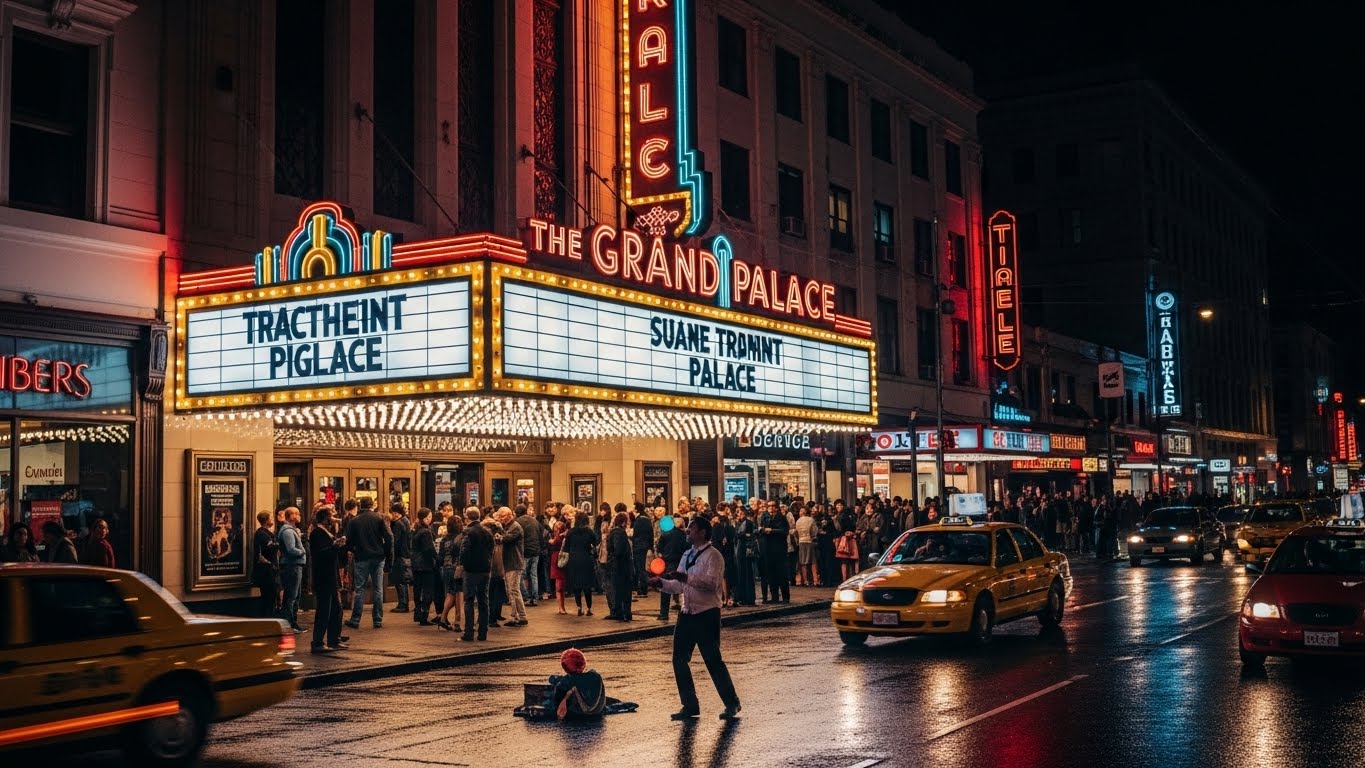
Cinema has always held a special place in human hearts. The 20th century witnessed the birth of iconic films, legendary actors, and groundbreaking storytelling techniques. The golden era of cinema, spanning roughly from the 1920s to the 1960s, was marked by glamour, drama, and innovation. Hollywood studios like MGM, Warner Bros., and Paramount became synonymous with blockbuster movies and legendary stars like Marilyn Monroe, Cary Grant, and Humphrey Bogart.
Movies during this era weren’t just entertainment; they were experiences. People flocked to theaters to escape reality and immerse themselves in worlds of adventure, romance, and suspense. Silent films gave way to talkies, black-and-white imagery transitioned to Technicolor, and special effects began to captivate audiences in ways never seen before. This period laid the foundation for modern filmmaking, setting standards in acting, direction, and storytelling.
Television: Bringing Entertainment to Every Home
While cinema dominated the big screen, television revolutionized entertainment at home. The 1950s marked the rise of television as a household staple, giving families the chance to enjoy entertainment without leaving their living rooms. From sitcoms like I Love Lucy to suspenseful dramas such as Perry Mason, television became a mirror reflecting society’s aspirations, struggles, and humor.
Television also transformed the way people consumed entertainment. Weekly episodes created anticipation, fostering conversations and community engagement. It became a powerful medium for shaping culture, influencing fashion, and introducing new ideas to the masses. Over the decades, TV evolved from black-and-white broadcasts to high-definition programming, incorporating reality shows, game shows, and award ceremonies that continue to captivate millions worldwide.
Music: The Soundtrack of Our Lives
No discussion of entertainment is complete without music. Music has the power to evoke emotions, ignite memories, and bring people together. Over the decades, the music industry has undergone remarkable transformations, from vinyl records to digital streaming.
The mid-20th century witnessed the birth of rock and roll, with legends like Elvis Presley and The Beatles defining a generation. Jazz, blues, and classical music have maintained their timeless appeal, while genres like hip-hop, EDM, and pop continue to dominate charts and influence culture. Music concerts, festivals, and live performances have also become a vital part of the entertainment ecosystem, allowing fans to experience the magic of sound in real time.
The Rise of Streaming Platforms
In the 21st century, the entertainment landscape underwent a seismic shift with the rise of streaming platforms. Services like Netflix, Amazon Prime, Disney+, and countless others revolutionized how we consume movies, TV shows, and documentaries. With on-demand access to content, audiences could now watch what they wanted, when they wanted, eliminating the constraints of scheduled programming.
Streaming platforms also democratized content creation. Independent filmmakers, animators, and storytellers now have the opportunity to reach global audiences without traditional studio backing. This shift has led to an explosion of creativity, with diverse narratives, international content, and experimental formats gaining recognition. Series like Stranger Things, The Crown, and Squid Game demonstrate the power of streaming to captivate global audiences and spark cultural phenomena.
Gaming: From Pixels to Immersive Worlds
Video games have evolved from simple pixelated screens to immersive, lifelike worlds that rival cinematic experiences. Gaming is no longer just a pastime; it has become a mainstream form of entertainment with a massive global audience. From role-playing games to sports simulations, strategy games to virtual reality experiences, the gaming industry offers endless possibilities for exploration and engagement.
The rise of esports has further elevated gaming as a spectator sport. Competitive gaming tournaments attract millions of viewers worldwide, offering professional players fame, fortune, and recognition. Platforms like Twitch and YouTube Gaming allow fans to watch live gameplay, interact with streamers, and participate in a community-driven entertainment ecosystem. Gaming has become a cultural phenomenon, blending technology, storytelling, and interactivity in ways previously unimaginable.
Celebrity Culture and Pop Icons
Entertainment is closely intertwined with celebrity culture. Pop icons, movie stars, musicians, and influencers shape trends, inspire fans, and often become cultural touchstones. Celebrities have the power to influence fashion, lifestyle choices, and even social movements. Their personal lives, achievements, and challenges captivate audiences just as much as their work.
Social media has amplified this influence, allowing celebrities to connect directly with fans and build global followings. Platforms like Instagram, Twitter, and TikTok have transformed the way stars engage with audiences, blurring the lines between personal and public personas. Today, celebrity culture is not just about fame—it’s about storytelling, branding, and creating a lasting impact across multiple media platforms.
The Evolution of Comedy and Humor
Comedy has been a cornerstone of entertainment for centuries. From ancient theater and slapstick performances to modern stand-up specials and sitcoms, humor has the power to unite, challenge, and heal. Comedy reflects society, often providing commentary on politics, culture, and human behavior.
The evolution of comedy has seen the rise of legendary comedians like Charlie Chaplin, Richard Pryor, and Robin Williams. Today, digital platforms allow comedians to reach global audiences through sketches, podcasts, and viral videos. Humor adapts to cultural shifts, blending satire, absurdity, and observational wit to resonate with diverse audiences. In a world often burdened with stress, comedy remains an essential outlet for laughter and connection.
The Impact of Awards and Recognition
Awards play a significant role in the entertainment industry. They recognize talent, celebrate creativity, and set benchmarks for excellence. From the Oscars and Grammys to the Emmys and Golden Globes, awards ceremonies honor achievements in film, music, television, and beyond.
Beyond accolades, awards influence industry trends, elevate careers, and attract new audiences. Winning an award can transform a film, elevate a musician’s career, or boost a television show’s viewership. While debates about fairness and representation continue, the allure of awards remains an integral part of entertainment culture.
Festivals and Live Events: The Joy of Shared Experience
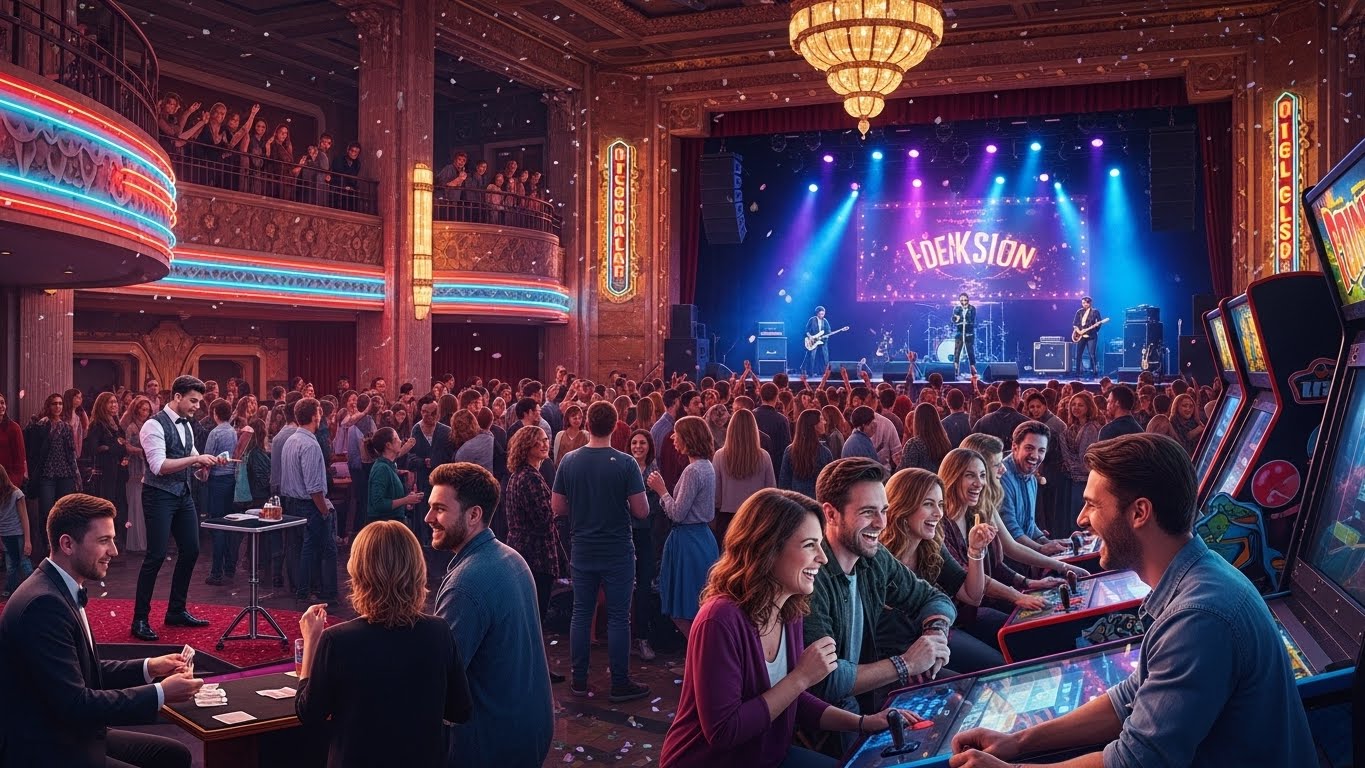
While digital platforms dominate, live events and festivals remain a vital aspect of entertainment. Music festivals like Coachella, film festivals such as Cannes, and theater productions like Broadway offer experiences that cannot be replicated online. These events bring people together, creating shared memories and fostering cultural exchange.
Live entertainment thrives on energy, spontaneity, and human connection. Whether it’s the roar of a cheering crowd at a concert, the suspenseful hush before a play begins, or the excitement of a movie premiere, these moments exemplify the communal power of entertainment. Festivals and live events remind us that beyond screens and devices, entertainment is fundamentally about human connection.
Animation and Visual Effects: Crafting Fantastical Worlds
Animation and visual effects (VFX) have transformed entertainment by bringing imagination to life. From hand-drawn cartoons to computer-generated imagery (CGI), animation allows storytellers to create worlds beyond the limits of reality. Studios like Pixar, DreamWorks, and Studio Ghibli have pushed the boundaries of what animated films can achieve, appealing to both children and adults.
VFX in live-action films has elevated storytelling, enabling epic battles, otherworldly landscapes, and stunning visual spectacles. Movies like Avatar, Avengers: Endgame, and Inception showcase how technology can enhance narrative, immersing audiences in experiences that feel both real and magical. Animation and VFX continue to expand the horizons of creativity, proving that entertainment is limited only by imagination.
Social Media and Short-Form Entertainment
In recent years, social media platforms like TikTok, Instagram Reels, and YouTube Shorts have redefined entertainment consumption. Short-form content thrives on creativity, humor, and relatability, capturing attention in seconds. Viral videos, dance challenges, and memes have become integral parts of contemporary entertainment culture.
This shift emphasizes interactivity and participation. Audiences are no longer passive consumers—they are creators, critics, and collaborators. Social media democratizes entertainment, allowing anyone with an idea, talent, or perspective to reach millions. In doing so, it challenges traditional media, constantly pushing the boundaries of storytelling and engagement.
The Psychological Power of Entertainment
Entertainment is not just about distraction or enjoyment—it has profound psychological effects. Movies, music, and games influence emotions, enhance cognitive skills, and provide therapeutic benefits. Comedy reduces stress, music evokes nostalgia and empathy, and storytelling fosters imagination and critical thinking.
Entertainment also serves as a reflection of societal values, offering commentary on culture, politics, and human behavior. Through fiction, satire, or documentary, audiences gain insight into diverse perspectives and experiences. In essence, entertainment shapes not only what we enjoy but also how we think, feel, and connect with the world.
The Future of Entertainment: Immersive and Interactive Experiences
Looking ahead, entertainment is set to become even more immersive and interactive. Virtual reality (VR), augmented reality (AR), and mixed reality (MR) technologies promise experiences that blur the line between fiction and reality. Imagine attending a concert from your living room, exploring fantastical worlds with a VR headset, or interacting with stories in ways that respond to your choices.
Artificial intelligence is also transforming content creation. From AI-generated music and artwork to personalized movie recommendations, technology is enhancing creativity and accessibility. The future of entertainment is not just about consuming content—it’s about participating, shaping, and experiencing it in ways previously unimaginable.
Conclusion: The Timeless Magic of Entertainment
Entertainment is a testament to human creativity, imagination, and the desire to connect. From the silver screens of Hollywood to the digital realms of streaming and gaming, it continues to evolve, adapt, and captivate. It entertains, educates, and inspires, offering moments of joy, reflection, and wonder.
As technology advances and cultural trends shift, one thing remains constant: the universal need for stories, laughter, music, and spectacle. Entertainment is more than a pastime—it is an essential part of human life, a mirror of society, and a celebration of imagination. In every song, movie, game, or performance, we find a reflection of ourselves and the world we share, reminding us that in the magic of entertainment, we are never truly alone.