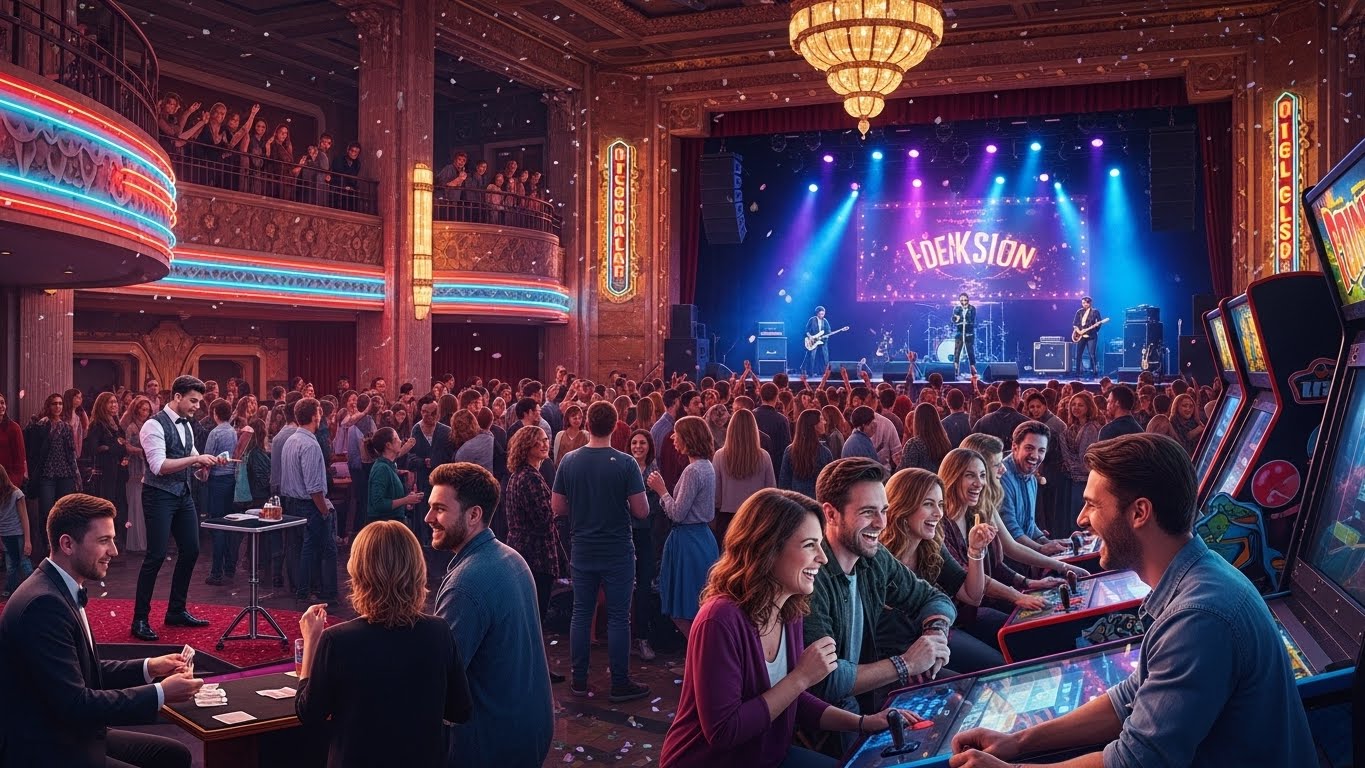

Entertainment, in its most basic sense, refers to the activities or experiences that provide amusement or pleasure. Over the years, the world of entertainment has evolved in ways unimaginable a century ago. From the early days of theater and literature to the digital age where streaming services and social media dominate, entertainment continues to shape and be shaped by societal changes, technological advancements, and cultural shifts.
Early Forms of Entertainment
The history of entertainment dates back to ancient civilizations, where it was an essential part of society. The ancient Greeks, for example, are credited with creating the first theatrical performances. These performances, initially part of religious rituals, evolved into grand dramas and comedies that became an important form of entertainment for the masses. The plays of Sophocles, Euripides, and Aeschylus are still studied today as prime examples of early theatrical entertainment.
In addition to theater, music has always played a central role in entertainment. The early forms of music entertainment were often ceremonial and tied to cultural rituals. Over time, however, music became more diversified, with various genres emerging. Classical music, opera, and folk music were the primary forms of entertainment in many parts of the world for centuries.
Storytelling, too, was a vital form of entertainment in ancient times. Before the invention of the printing press and widespread literacy, oral traditions were the primary means of passing down stories. This tradition is found in the myths, legends, and folktales of many cultures, where the art of storytelling was often used to teach moral lessons, preserve history, and, of course, entertain.
The Age of Radio and Film
The 20th century marked a significant turning point in entertainment, with the invention of radio and film revolutionizing the way people experienced entertainment. The radio, first introduced in the 1920s, allowed people to listen to music, news, and drama in the comfort of their homes. Radio shows quickly became a staple of American life, with families gathering around the radio to listen to everything from comedy sketches to thrilling mysteries.
However, the real game-changer came with the advent of motion pictures. The first films, which were silent and black-and-white, captivated audiences when they were introduced in the early 1900s. With the development of sound technology, films became even more immersive, leading to the rise of Hollywood as the epicenter of global entertainment.
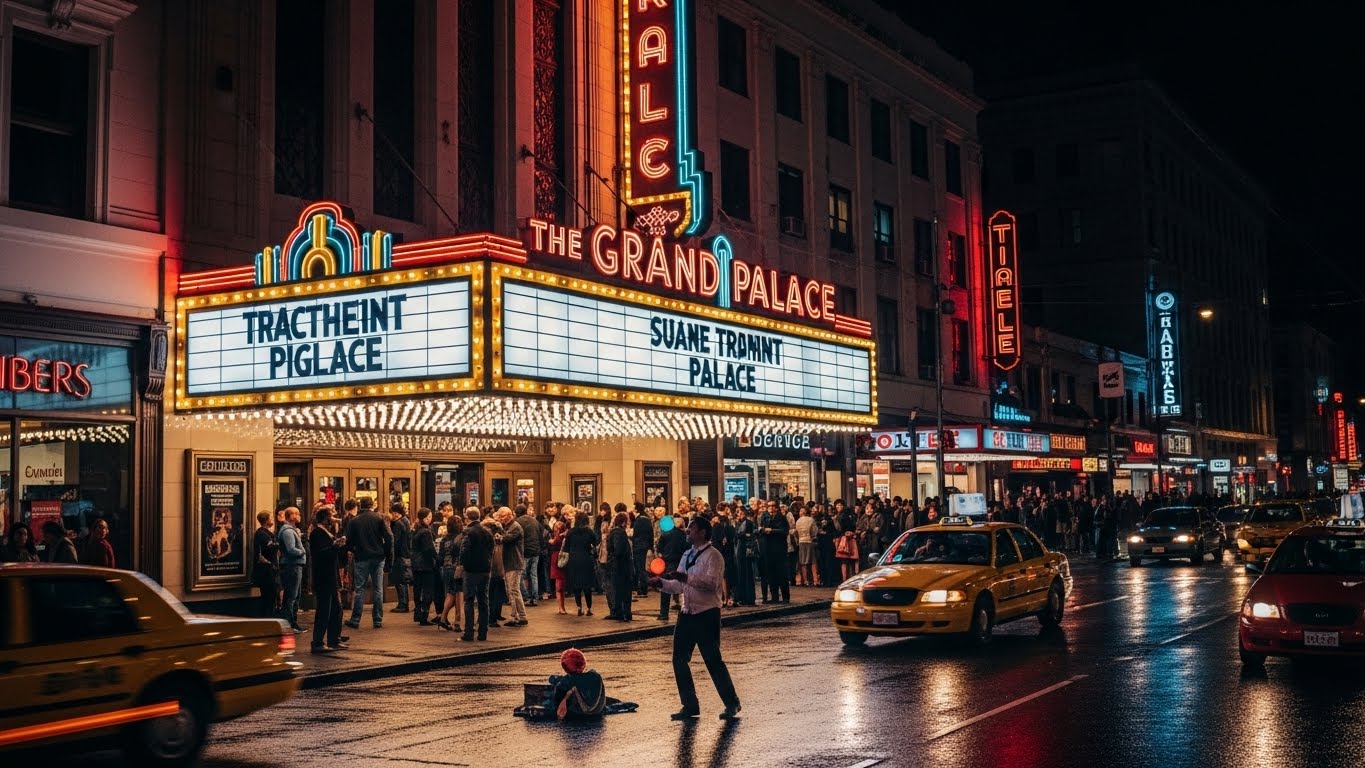
The Golden Age of Hollywood, which spanned from the 1930s to the 1960s, saw the emergence of iconic stars like Humphrey Bogart, Audrey Hepburn, and Marilyn Monroe. The movies of this era are considered some of the finest works of cinematic art. Genres like musicals, film noir, and epics dominated the screens, and the experience of going to the cinema became an integral part of American culture.
Television: The New Entertainment Frontier
In the mid-20th century, television emerged as the new frontier for entertainment. The invention of the television set in the 1930s brought entertainment directly into people’s homes. By the 1950s, television had become the dominant form of entertainment for many families around the world.
Television programming in its early years was diverse, offering a mix of news, dramas, comedies, and variety shows. Shows like “I Love Lucy,” “The Twilight Zone,” and “The Ed Sullivan Show” became household names. The advent of color television in the 1960s further enhanced the viewing experience, and by the 1970s, television had overtaken radio and film as the primary medium for entertainment.
The 1980s and 1990s saw the rise of cable television, giving viewers access to hundreds of channels. Networks like MTV, HBO, and ESPN transformed television from a few limited channels into an expansive, 24-hour media landscape. This expansion also led to a shift in content, with niche programming and specialized channels catering to specific interests, whether it be music, sports, or movies.
The Internet Era: A Revolution in Access and Content
The advent of the internet in the late 20th century introduced a new era for entertainment, shifting the landscape dramatically. The internet revolutionized how people access and consume content, breaking down the barriers that once existed between creators and their audience. Websites, blogs, and later social media platforms allowed people to share and discover entertainment from around the globe.
One of the most significant changes brought about by the internet was the rise of streaming services. Platforms like YouTube, Netflix, and Hulu changed how people watched movies and TV shows. Instead of waiting for a scheduled broadcast or visiting a movie theater, viewers could now access their favorite content at any time, from anywhere, with a simple click.
The digital age has also given rise to new forms of entertainment. Video games, once considered a niche hobby, have become one of the most popular forms of entertainment worldwide. From the early days of arcade games to the immersive worlds of today’s gaming consoles and PC games, the video game industry has grown into a multi-billion-dollar enterprise.
Social media platforms, such as Instagram, TikTok, and Twitter, have also become key players in the entertainment landscape. These platforms allow users to create and share content, from short clips to live broadcasts, with audiences around the world. Influencers and content creators have emerged as the new celebrities, shaping trends and influencing pop culture in ways that were previously impossible.
The Rise of On-Demand Entertainment
One of the most transformative developments in modern entertainment has been the rise of on-demand streaming. With the advent of services like Netflix, Amazon Prime Video, and Disney+, viewers are no longer tied to traditional schedules or the need to leave their homes to experience entertainment. Streaming platforms offer a vast library of content, available at the push of a button.
The convenience of on-demand entertainment has reshaped how people consume television shows, movies, and documentaries. Binge-watching has become a cultural phenomenon, with many people choosing to watch entire seasons of shows in a single sitting. This shift has also had a significant impact on the television industry, with many shows now being designed for the binge-watching experience.
The availability of on-demand content has also led to the rise of original programming produced by streaming platforms. Shows like “Stranger Things,” “The Crown,” and “The Mandalorian” have become cultural touchstones, attracting millions of viewers and generating widespread discussion. The success of these original series has forced traditional networks and studios to rethink their content strategies and compete with the growing power of streaming platforms.
The Role of Social Media in Modern Entertainment
Social media has become one of the most powerful tools in modern entertainment, not only as a platform for sharing content but also as a way for fans and creators to interact. Social media platforms like Twitter, Instagram, and TikTok have created new opportunities for entertainers to build their personal brands, connect with their audiences, and promote their work.
Influencers, who are often content creators with large followings, have become key players in the entertainment industry. These individuals have amassed millions of followers by sharing their lives, opinions, and creative projects online. They have become celebrities in their own right, often surpassing traditional Hollywood stars in terms of their influence and reach.
TikTok, in particular, has become a major player in the entertainment industry, with users creating viral dances, challenges, and memes. The platform has launched the careers of countless creators, many of whom have transitioned to other forms of entertainment, including music, television, and film.
Social media has also played a significant role in reshaping the way people consume news and entertainment. Platforms like Twitter have become real-time sources for breaking news and updates, with users sharing their thoughts and reactions to current events as they unfold. This immediacy has changed the way people engage with entertainment, as fans can now interact with celebrities, sports figures, and influencers directly.
The Future of Entertainment: Virtual Reality, AI, and Beyond
As we look toward the future, it’s clear that entertainment will continue to evolve at a rapid pace. Virtual reality (VR) and augmented reality (AR) are already beginning to shape the way we experience entertainment. VR technology has already been incorporated into gaming, allowing players to immerse themselves in virtual worlds in ways that were once only imagined in science fiction.
As VR technology improves, it is expected to become more mainstream, offering new ways to experience movies, concerts, and live events. The potential for fully immersive, interactive entertainment experiences is limitless, and we are only scratching the surface of what is possible.
Artificial intelligence (AI) is also poised to play a significant role in the future of entertainment. From personalized content recommendations to the creation of entirely new forms of entertainment, AI is changing the way content is produced and consumed. AI can help streamline content creation, making it easier for creators to produce high-quality videos, music, and other forms of entertainment.
The rise of AI-generated content also raises interesting questions about the future of creativity and originality. As AI continues to evolve, it’s possible that we may see entirely new genres of entertainment emerge, blending human creativity with machine learning and algorithmic design.
Conclusion
Entertainment has come a long way from its early origins in storytelling and music. The development of radio, film, television, and the internet has transformed how we consume and interact with entertainment. Today, digital platforms like streaming services, social media, and video games dominate the landscape, while emerging technologies like virtual reality and artificial intelligence promise to further revolutionize the entertainment industry.
As we look to the future, one thing is certain: entertainment will continue to evolve in exciting and unexpected ways. Whether it’s through new technologies, innovative content, or changes in how we engage with the media, the world of entertainment will remain an integral part of our lives for generations to come.