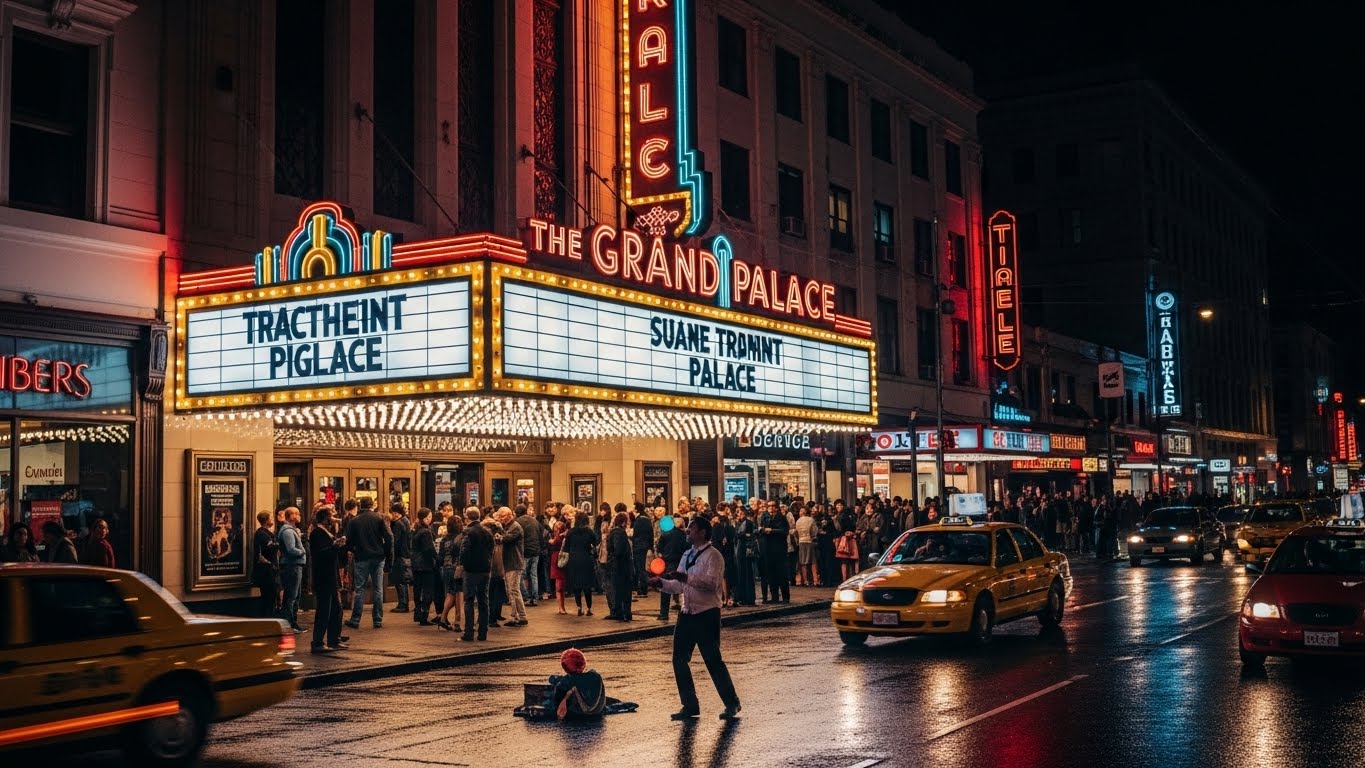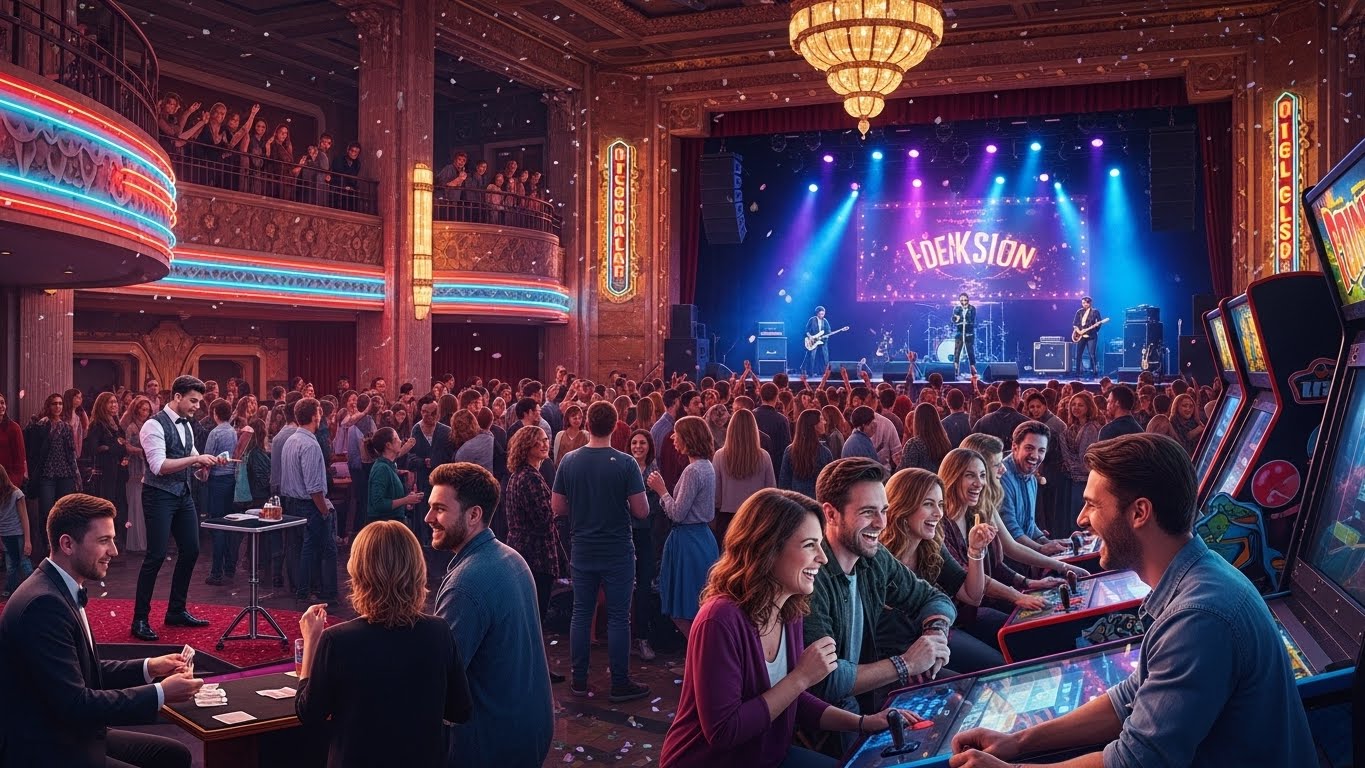

Entertainment is an ever-changing tapestry, a reflection of society, culture, and human creativity. From the earliest forms of storytelling around a campfire to today’s immersive digital experiences, entertainment has always been a cornerstone of human life. It transcends age, nationality, and time, offering moments of joy, reflection, and sometimes, pure escape. In this blog post, we’ll explore the multifaceted world of entertainment, tracing its evolution, its modern trends, and the ways it continues to shape and be shaped by the audience.
The Origins of Entertainment: Storytelling and Beyond
Long before the invention of film or radio, human beings were drawn to stories. Storytelling is perhaps the earliest form of entertainment. Ancient civilizations relied on oral traditions to pass down myths, legends, and history. These stories were not just a pastime; they were a way to understand the world, to educate younger generations, and to forge a shared cultural identity.
With the passage of time, storytelling evolved into performance. Ancient Greece introduced theater as a form of artistic expression, blending dialogue, music, and visual spectacle. Tragedies and comedies allowed audiences to confront human nature, societal norms, and philosophical dilemmas. In parallel, other cultures developed their own forms of theatrical entertainment, from Japanese Noh and Kabuki performances to Indian classical dance dramas. These early forms of entertainment highlighted the human need to experience life vicariously, to laugh, cry, and reflect through someone else’s story.
The Golden Age of Cinema
The birth of motion pictures marked a revolution in entertainment. In the late 19th and early 20th centuries, filmmakers discovered the power of visual storytelling. Silent films captured audiences with their innovative techniques, expressive acting, and imaginative plots. Icons like Charlie Chaplin and Buster Keaton became household names, proving that entertainment transcends language.
The introduction of sound transformed cinema. “Talkies” offered a richer experience, blending dialogue, music, and special effects. The Golden Age of Hollywood, spanning the 1930s to 1950s, produced films that remain iconic today. Classics like Casablanca, Gone with the Wind, and The Wizard of Oz showcased star power, elaborate production design, and timeless stories that appealed to universal emotions. Cinema became more than just a pastime; it became a cultural institution, shaping societal values, trends, and fashion.
Globally, cinema took on unique flavors. Bollywood in India thrived with its colorful musicals and melodramatic storytelling, while European cinema experimented with realism, symbolism, and artful cinematography. Film festivals like Cannes and Venice began celebrating cinematic excellence, cementing the importance of film as both entertainment and art.
Television: Entertainment in the Living Room
While cinema offered escapism on the big screen, television brought entertainment directly into homes. Post-World War II, TV became a staple of family life, offering news, sports, dramas, and comedies. Popular shows like I Love Lucy, The Twilight Zone, and Friends became cultural touchstones, influencing fashion, language, and humor.
Television also became a platform for societal commentary. Dramas and sitcoms explored family dynamics, social issues, and personal growth, allowing audiences to see themselves reflected on screen. Reality TV emerged later, bringing unscripted experiences into homes and blurring the line between entertainment and voyeurism. Whether it was game shows, talent competitions, or docuseries, television democratized entertainment, offering something for everyone.
Music: The Soundtrack of Life
Entertainment is not confined to visuals; music has always played a pivotal role. From ancient chants and classical symphonies to modern pop hits, music evokes emotions and connects people across cultures. The evolution of music has mirrored societal change. Jazz, rock, hip-hop, and electronic music all emerged from cultural movements, becoming not just entertainment but vehicles for expression and protest.
The music industry also revolutionized with technology. Vinyl records, cassette tapes, CDs, and digital streaming changed how audiences access and consume music. Artists like The Beatles, Michael Jackson, and Beyoncé became global icons, influencing fashion, language, and lifestyle. Music videos further enhanced entertainment, combining audio and visual artistry to create unforgettable experiences. Live concerts, meanwhile, offer a shared, communal energy that transcends the music itself, proving that entertainment is as much about human connection as it is about performance.
Gaming: Interactive Entertainment
The rise of video games introduced a revolutionary form of entertainment: interactivity. Unlike films or television, gaming allows audiences to participate, make choices, and influence outcomes. Early video games like Pong and Pac-Man captivated players with simple mechanics and endless fun. As technology advanced, so did the complexity and realism of games.
Modern gaming is a multimedia experience. Open-world games, virtual reality adventures, and competitive eSports offer immersive narratives and social interaction. Platforms like PlayStation, Xbox, and PC provide diverse experiences, while mobile gaming ensures entertainment is always at our fingertips. Gaming has grown into a massive industry, rivaling cinema and music in revenue and cultural influence. It also fosters creativity, problem-solving, and community-building, highlighting a unique facet of entertainment that is both engaging and participatory.
The Streaming Revolution
In recent years, the entertainment landscape has undergone a seismic shift with the rise of streaming platforms. Services offering on-demand movies, TV shows, and music have transformed how we consume content. No longer bound by schedules or physical media, audiences can explore a global library of entertainment anytime, anywhere.
Streaming has democratized content creation. Independent filmmakers, musicians, and creators can reach audiences without traditional gatekeepers, leading to a surge of diversity and innovation. Shows like Stranger Things, The Mandalorian, and Squid Game exemplify the power of streaming to introduce new stories to global audiences. Music platforms allow listeners to discover artists from across the world, creating a rich, interconnected entertainment ecosystem.
Moreover, streaming has influenced storytelling itself. With binge-watching, creators can develop complex narratives, exploring characters and arcs in ways traditional formats could not. The boundaries of entertainment continue to expand, blending genres, mediums, and experiences.
Live Entertainment: The Irreplaceable Magic
Despite the dominance of digital platforms, live entertainment remains irreplaceable. Concerts, theater, comedy shows, and sports events offer experiences that cannot be replicated on a screen. The energy of a crowd, the spontaneity of live performance, and the shared emotions create unforgettable memories.
Festivals further enhance live entertainment. Events celebrating music, film, and culture bring communities together, fostering creativity and connection. Whether it’s a music festival like Coachella, a film festival in Toronto, or a local theater performance, live entertainment reminds us of the human need for presence, participation, and shared joy.
The Role of Social Media in Entertainment
Social media has emerged as a dominant force in modern entertainment. Platforms like Instagram, TikTok, and YouTube have transformed ordinary people into celebrities, blurring the line between creators and consumers. Viral trends, memes, and short-form videos offer instant entertainment and global reach.
Social media also provides interactivity, allowing audiences to engage directly with creators. Fans can comment, share, and even influence content, making entertainment more participatory than ever. Challenges and trends create community experiences, where millions of people across the world can laugh, dance, or react together. Entertainment is no longer just passive consumption; it is a dynamic conversation.
The Psychology of Entertainment
Why are humans so drawn to entertainment? Psychologists suggest that entertainment serves multiple purposes. It offers escapism, allowing us to temporarily forget stress and responsibilities. It fosters emotional release, giving us laughter, tears, and catharsis in a safe environment. Entertainment also allows us to explore complex social and moral dilemmas, enhancing empathy and understanding.
Furthermore, entertainment strengthens social bonds. Sharing a movie, attending a concert, or discussing a TV show creates connections and shared experiences. In essence, entertainment is more than fun; it is a fundamental aspect of human well-being and social cohesion.
The Future of Entertainment
Looking forward, entertainment promises to become even more immersive and interactive. Virtual reality, augmented reality, and artificial intelligence are opening new avenues for storytelling and engagement. Imagine exploring historical events in VR, interacting with AI characters, or attending concerts in virtual spaces with friends from across the globe. The line between reality and entertainment will continue to blur, offering experiences that are simultaneously personal and collective.
At the same time, the industry faces challenges. Content saturation, digital fatigue, and ethical concerns around data and representation require careful consideration. Yet, the resilience and creativity of the entertainment world ensure that it will continue to captivate, inspire, and evolve.
Conclusion: Entertainment as a Mirror of Humanity
Entertainment is a reflection of who we are. It captures our dreams, fears, and aspirations while offering joy, laughter, and wonder. From ancient storytelling to the latest streaming sensation, the ways we entertain ourselves reveal the complexity and richness of human culture.
In a world that often feels divided and chaotic, entertainment provides a unifying force. It reminds us of our shared humanity, our capacity for imagination, and our desire for connection. As technology advances and creativity flourishes, the possibilities for entertainment are limitless. Whether it’s a film that moves you to tears, a song that lifts your spirits, or a game that challenges your mind, entertainment continues to enrich our lives in ways both profound and playful.
In the end, entertainment is not just about passing the time—it is about experiencing life more fully, exploring the depths of human creativity, and celebrating the magic of storytelling in all its forms.