Entertainment has always been a central aspect of human life. From the earliest forms of storytelling around a fire to the immersive experiences provided by modern technology, our need to escape, relax, and enjoy life has been an ever-present part of our culture. Today, entertainment continues to evolve at a rapid pace, shaped by technological advances, cultural shifts, and the changing ways we consume media. This blog post will explore the different dimensions of entertainment, how it’s changing, and what trends are shaping the future of leisure.
The Rise of Digital Entertainment
In recent years, digital entertainment has become the dominant force in the industry. With the advent of streaming services like Netflix, Amazon Prime, and Disney+, people now have access to an immense library of movies, TV shows, and original content at the click of a button. These services have revolutionized the way we watch television, shifting from scheduled programming to on-demand viewing.
The convenience of streaming has not only changed viewing habits but has also opened the door for new content creators. YouTube, TikTok, and other platforms give individuals a chance to create and share content with a global audience. As a result, entertainment is now more democratized, with anyone capable of producing content that has the potential to go viral.
The Virtual Reality Experience: The Future of Immersive Entertainment
Virtual Reality (VR) and Augmented Reality (AR) technologies are pushing the boundaries of what we define as entertainment. These technologies offer immersive experiences that allow individuals to interact with digital environments in real-time. Whether it’s gaming, live performances, or virtual tourism, VR and AR are creating entirely new forms of entertainment that were once the stuff of science fiction.
In gaming, VR has already begun to revolutionize the way we play. Games like Beat Saber and Half-Life: Alyx have set a new standard for what interactive entertainment can be. As the technology improves, we can expect even more realistic and engaging experiences that blur the lines between the digital and physical worlds.
The Changing Face of Live Entertainment
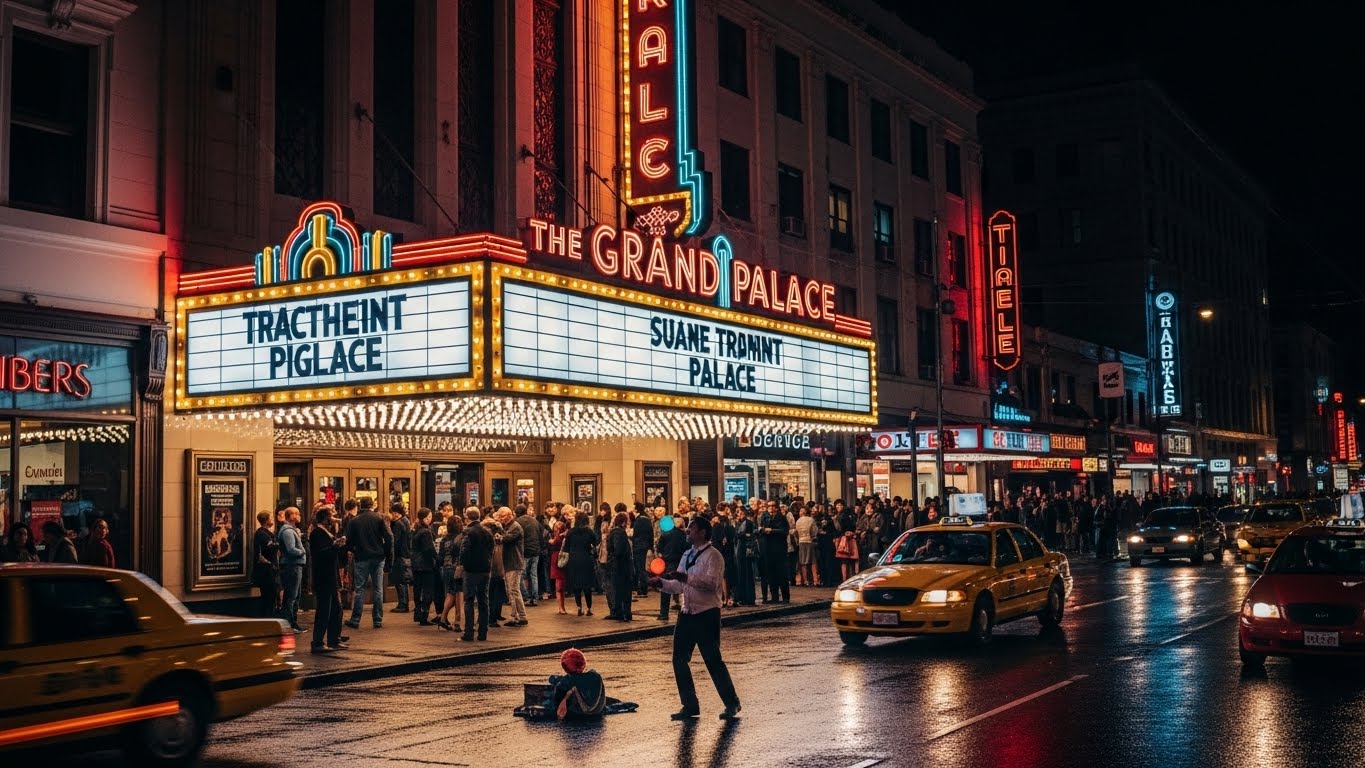
While digital entertainment is booming, live entertainment still holds a significant place in our lives. Concerts, theater performances, stand-up comedy, and sporting events continue to draw large crowds. However, the COVID-19 pandemic led to a shift in how people engage with live entertainment, with many artists and performers turning to online platforms to connect with audiences. Virtual concerts and live-streamed theater productions became the norm for a while, and some believe this hybrid model of live and digital events will continue to thrive.
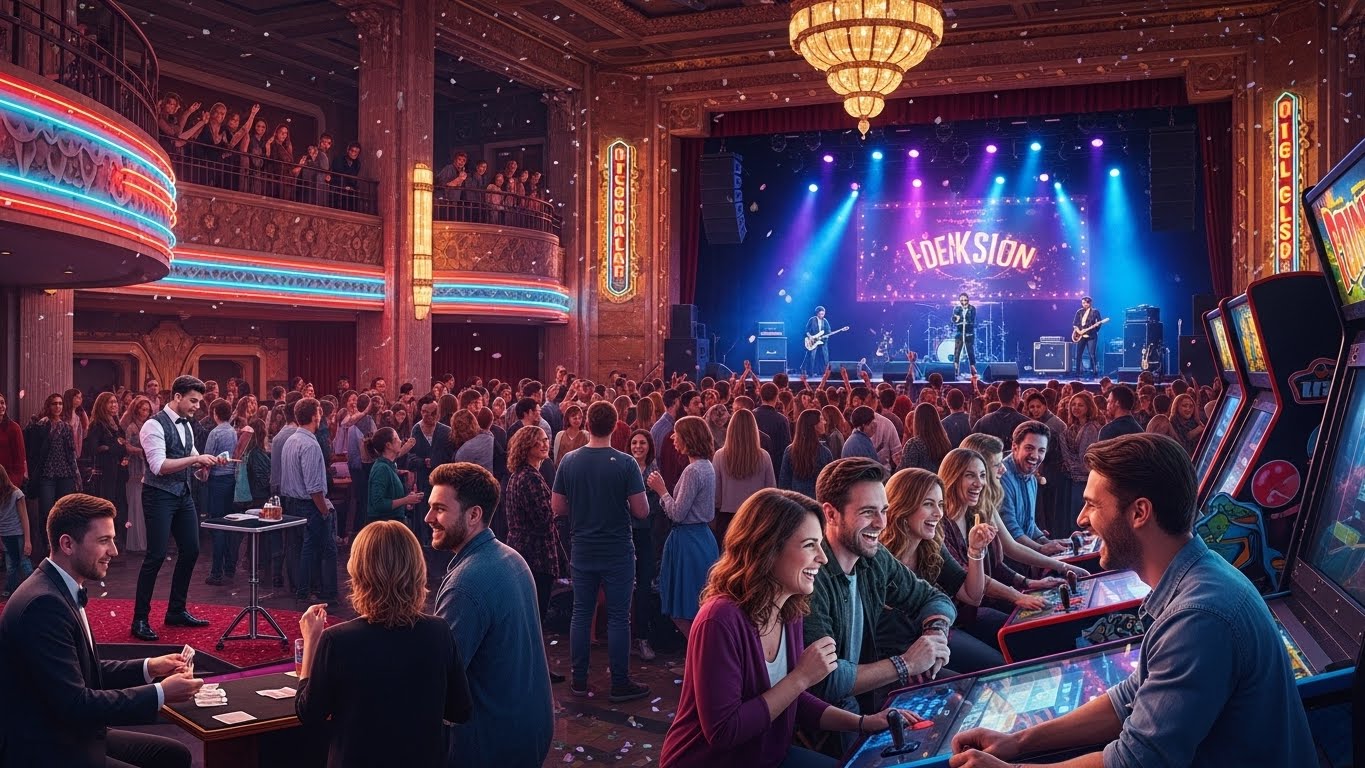
Additionally, new forms of interactive live entertainment, like immersive theater experiences where the audience plays an active role in the performance, are gaining popularity. These experiences offer a level of engagement that traditional performances simply cannot match.
Gaming: Beyond the Console
Gaming has long been a dominant form of entertainment, but its scope is constantly expanding. Mobile gaming has exploded in popularity, with millions of players engaging with games on their smartphones. From casual puzzle games to complex strategy games, the accessibility of mobile gaming has made it an essential part of global entertainment.
Moreover, the rise of eSports has transformed gaming into a professional sport, with tournaments and competitions drawing massive audiences both online and in person. Games like League of Legends, Fortnite, and Dota 2 have created entire ecosystems built around competitive play, with professional gamers earning sponsorships, salaries, and recognition akin to athletes in traditional sports.
The introduction of cloud gaming platforms such as Google Stadia and Microsoft’s Xbox Cloud Gaming is also pushing gaming into new territory. Gamers can now play high-quality titles without needing expensive hardware, making gaming more accessible than ever before.
Social Media: The New Age of Entertainment Consumption
Social media platforms have revolutionized the way we consume entertainment. Rather than sitting down to watch a TV show or movie, many people now turn to their feeds for quick, bite-sized content. TikTok, Instagram Reels, and YouTube Shorts have capitalized on the demand for short-form content, offering users a constant stream of entertainment tailored to their interests.
This shift has had a profound effect on content creation. The rapid growth of influencers and online personalities has turned social media into an entertainment powerhouse. Brands and creators alike have recognized the power of these platforms, using them to promote products, share stories, and entertain millions of followers.
Social media has also blurred the lines between personal and professional lives. Platforms like Instagram and Twitter allow users to engage directly with celebrities, athletes, and influencers, creating a sense of intimacy and connection. This direct interaction has made celebrities more accessible than ever before, further changing the landscape of entertainment.
The Future of Entertainment: What’s Next?
As we look to the future, entertainment will continue to evolve, driven by advances in technology, changing consumer preferences, and cultural shifts. Here are a few trends that are likely to shape the next generation of entertainment:
-
AI-Generated Content: Artificial intelligence is beginning to play a role in content creation, from music to film. AI could help streamline the creative process, allowing for more personalized and innovative entertainment experiences.
-
5G and Beyond: With the rollout of 5G networks, mobile entertainment will become faster and more immersive. Faster download speeds, lower latency, and enhanced connectivity will enable more seamless gaming, live-streaming, and virtual reality experiences.
-
Sustainability in Entertainment: As environmental concerns grow, there will likely be a greater emphasis on sustainable practices within the entertainment industry. From eco-friendly production sets to virtual events reducing carbon footprints, the future of entertainment could be more eco-conscious.
-
Personalized Content: With data analytics, content platforms can offer an even more personalized viewing experience. From custom playlists to recommendations based on mood, entertainment could become more tailored to individual preferences.
Conclusion: Entertainment as an Ever-Changing Journey
Entertainment is no longer confined to the traditional mediums we once knew. The digital revolution, coupled with technological advancements, has given rise to an entirely new era of leisure and fun. Whether it’s watching a movie on a streaming service, playing a VR game, attending a live-streamed concert, or scrolling through social media, entertainment continues to adapt to our changing needs and desires.
As we move forward, it’s clear that entertainment will remain a vital part of human life—constantly evolving, constantly innovating, and always there to help us unwind, explore, and connect with the world around us.