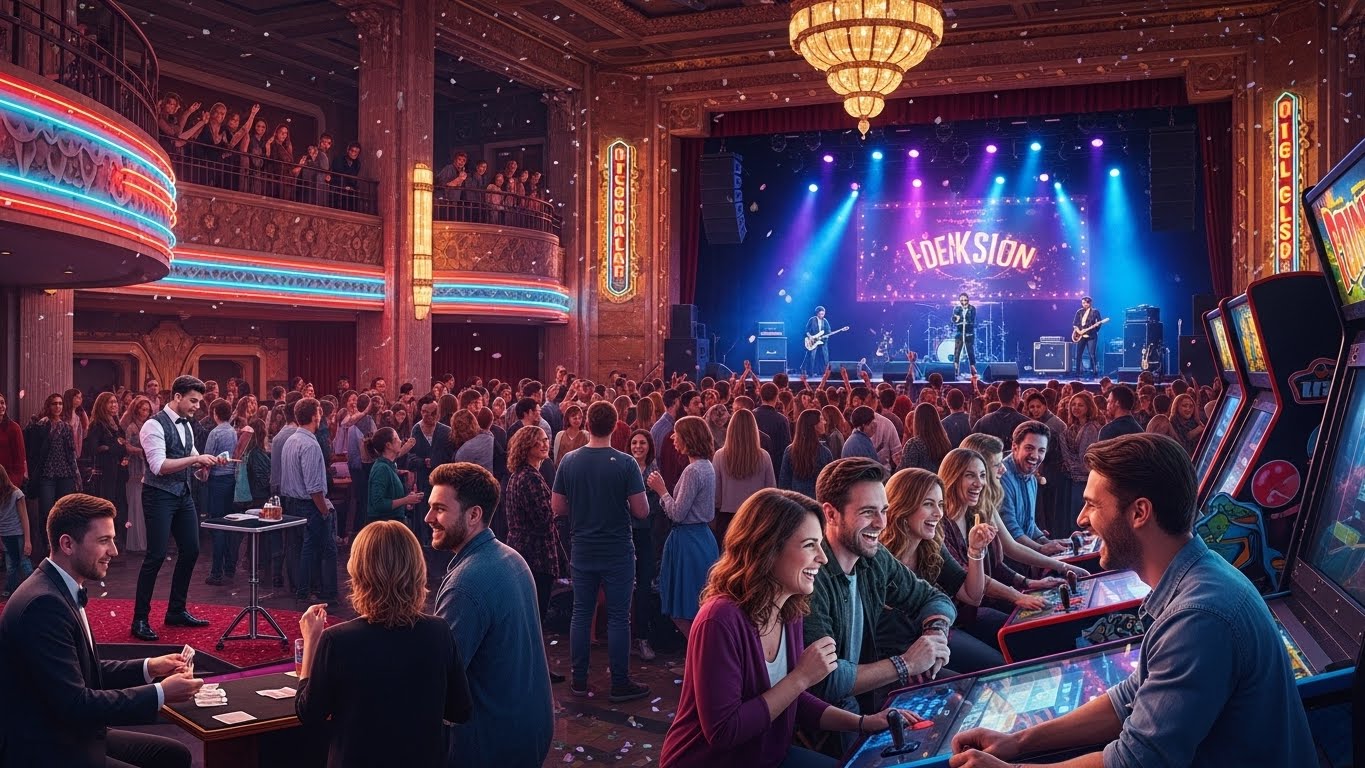
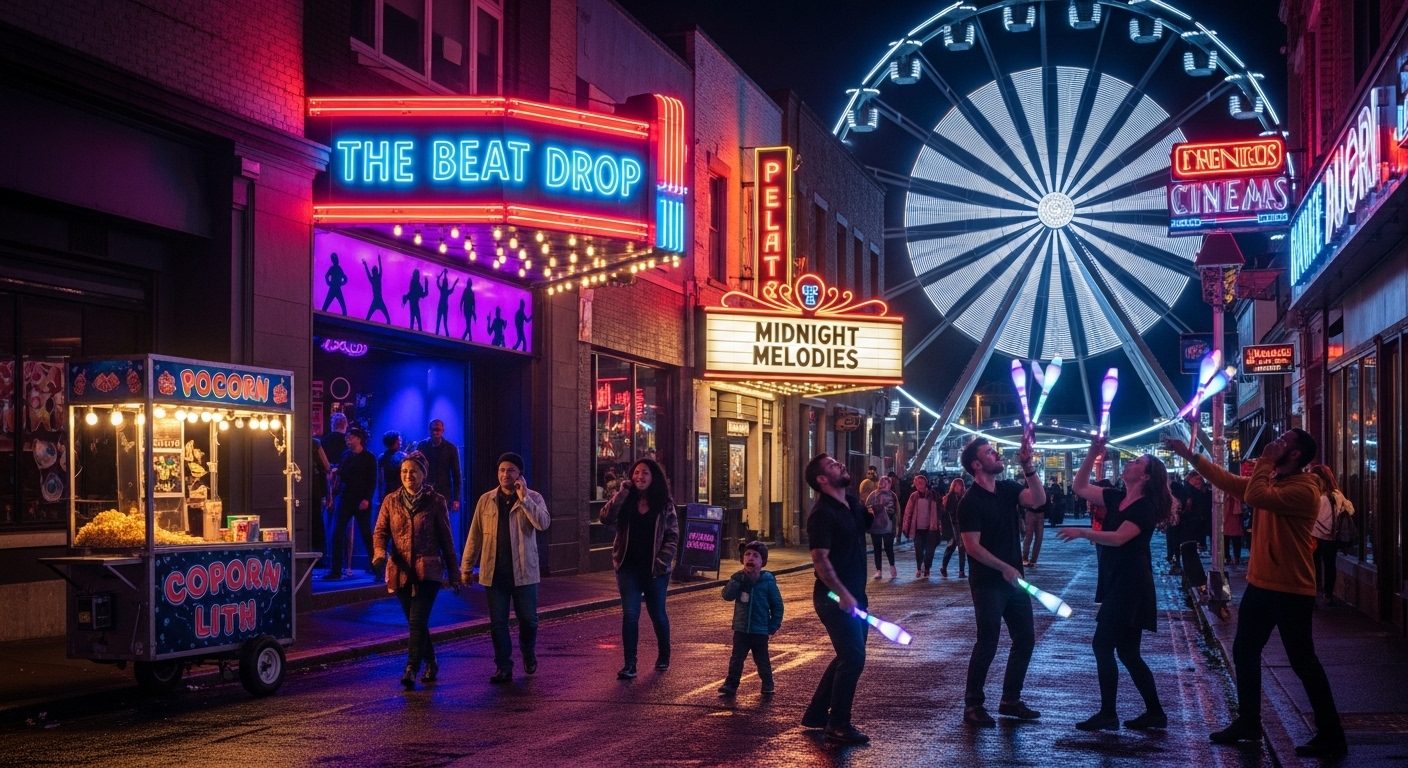
Entertainment is a fundamental part of human life. Whether it’s a quiet evening with a book, a weekend at the movies, or immersing oneself in a virtual world, entertainment provides a much-needed escape and a means of connecting with others. Over time, the ways in which we seek out and enjoy entertainment have undergone significant transformations. What was once exclusive to the rich and powerful is now widely accessible to people from all walks of life. Let’s explore how entertainment has evolved and continues to shape our world today.
The Roots of Entertainment: Storytelling and Performance
Long before films, books, or television, entertainment revolved around simple yet powerful forms like storytelling and live performances. In ancient times, storytelling was an essential way to share culture, preserve history, and educate others. These stories were passed down orally through generations, becoming an integral part of cultural identity.
Theatrical performances also began in ancient civilizations like Greece and Rome, where live drama became a popular form of public entertainment. These performances were often large-scale affairs in open-air theatres and were used to entertain, educate, and provoke thought. While the settings and formats have changed, the basic appeal of live storytelling and performance remains strong today.
The Print Revolution: Entering the Era of Books and Magazines
The invention of the printing press in the 15th century marked the beginning of a new era in entertainment. Books and printed works became widely available, making literature more accessible to the general public. This era marked the rise of novels, short stories, and poetry as popular entertainment forms.
Print media didn’t just stop at books—it also gave birth to newspapers and magazines. These publications provided a platform for new forms of entertainment, from serialized fiction to comic strips and cartoons. This period was crucial in the development of a culture that embraced reading as a form of entertainment.
The Golden Age of Cinema and Television: The Rise of Visual Entertainment
The 20th century ushered in the golden age of cinema and television, two of the most popular forms of entertainment we still enjoy today. The invention of film technology in the late 19th and early 20th centuries allowed filmmakers to create visually captivating stories that could be shared with large audiences. Hollywood soon became the entertainment capital of the world, producing iconic films that would go on to shape pop culture for decades.
Television, which arrived a few decades later, revolutionized home entertainment. For the first time, families could gather around the television screen to watch dramas, comedies, news, and live sports events. Television shows became a cultural touchstone, with weekly broadcasts bringing millions of people together to watch the same program.
The Digital Revolution: Streaming and Interactive Experiences
In the 21st century, the digital revolution has changed the entertainment landscape once again. Streaming services such as Netflix, Hulu, and Amazon Prime have made it easier than ever to watch movies, TV shows, and documentaries from virtually anywhere in the world. With the advent of on-demand content, traditional TV schedules and cinema screenings have become less relevant to many people.
This shift in how we consume entertainment has also led to the rise of user-generated content. Platforms like YouTube, TikTok, and Instagram allow everyday people to create and share videos, music, and other forms of entertainment with a global audience. This democratization of content creation has given rise to a new wave of entertainers who bypass traditional media channels to gain fame.
Video Games and Virtual Worlds: The New Frontier of Fun
While movies and television remain dominant forms of entertainment, video games have taken the world by storm in recent decades. Once a niche hobby, video gaming has evolved into a multi-billion-dollar industry, with games now offering rich narratives, stunning graphics, and interactive gameplay. From sports games to role-playing adventures, video games have become a primary source of entertainment for millions around the globe.
The rise of online multiplayer games has introduced a social element to gaming, where players can interact, compete, or cooperate with others in real-time. Additionally, virtual reality (VR) and augmented reality (AR) are pushing the boundaries of what is possible, creating new opportunities for immersive gaming experiences.
The Future of Entertainment: AI, Virtual Reality, and Beyond
As technology continues to advance, it’s clear that the future of entertainment will be even more interactive and immersive. Artificial intelligence (AI) is already being used to tailor recommendations based on personal preferences, and in the coming years, it could also help create content—be it music, stories, or entire films. AI-driven entertainment could lead to more personalized, engaging experiences, blurring the lines between creator and consumer.
Virtual reality (VR) and augmented reality (AR) are expected to revolutionize how we experience entertainment, offering fully immersive worlds that go beyond passive viewing to active participation. Imagine stepping into your favorite film or video game, interacting with characters, and shaping the storyline in real-time.
Conclusion: A Never-Ending Journey of Transformation
Entertainment has come a long way since the days of campfire storytelling and public theatre. Today, we live in a world where entertainment is diverse, accessible, and constantly evolving. The journey from printed books to digital streaming, from cinema to video games, shows just how much our tastes and technologies have changed over time. One thing is certain: entertainment will continue to adapt, driven by new innovations and the ever-changing desires of the global audience. It’s an exciting time to be part of this ongoing transformation, and who knows where the next frontier will take us!