
The Future of Entertainment: A Glimpse into Tomorrow’s Digital Experiences
Entertainment has been a constant in human life for centuries, evolving from simple gatherings around a campfire to today’s digital spectacles. With technological advances shaping the way we consume content, the entertainment industry is entering a new era, one that promises to offer more immersive, interactive, and personalized experiences than ever before. In this blog, we’ll explore the transformation of entertainment, emerging trends, and what the future holds for this ever-changing industry.
The Changing Nature of Entertainment Consumption
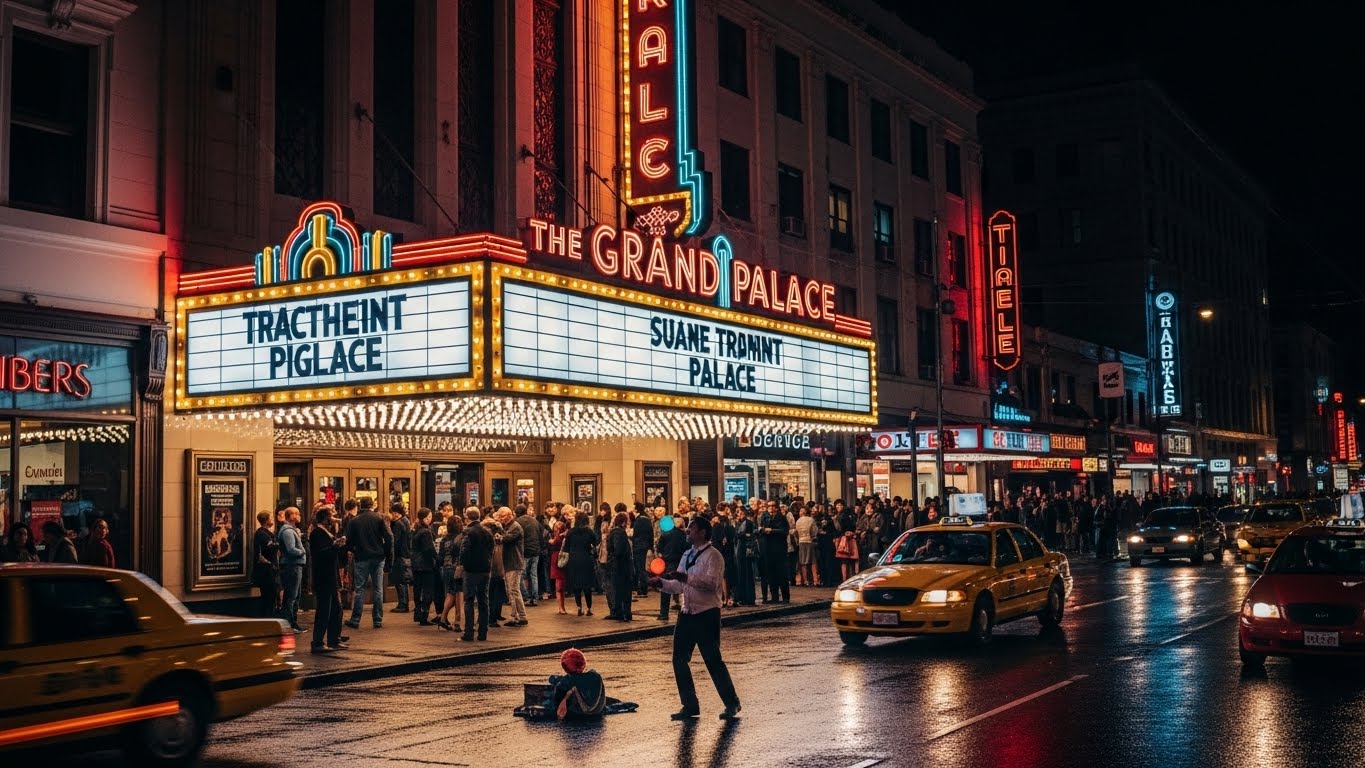
Historically, entertainment was limited to a few formats: theater, radio, television, and, more recently, cinema. Audiences would gather in theaters to experience the magic of film or tune into scheduled TV broadcasts for their favorite shows. However, the rise of the internet and smartphones has shattered these traditional formats. Now, entertainment is largely consumed on-demand, anywhere and anytime.
The digital revolution has created a world where content is available with just a few taps or clicks. Streaming services like Netflix, Disney+, and YouTube have replaced the once-dominant television viewing model, giving viewers control over what they watch and when they watch it. Similarly, music lovers now turn to Spotify, Apple Music, and other platforms to stream their favorite tracks rather than relying on radio stations or physical records.
This shift toward on-demand entertainment is just the beginning. With more innovations on the horizon, the way we engage with content will continue to evolve in remarkable ways.
The Rise of Interactive and Immersive Experiences
One of the most exciting trends in entertainment today is the growing emphasis on interactive and immersive content. Traditional forms of entertainment are mostly passive, with audiences observing the action unfold before them. However, in recent years, there has been a noticeable shift toward more interactive forms of engagement.
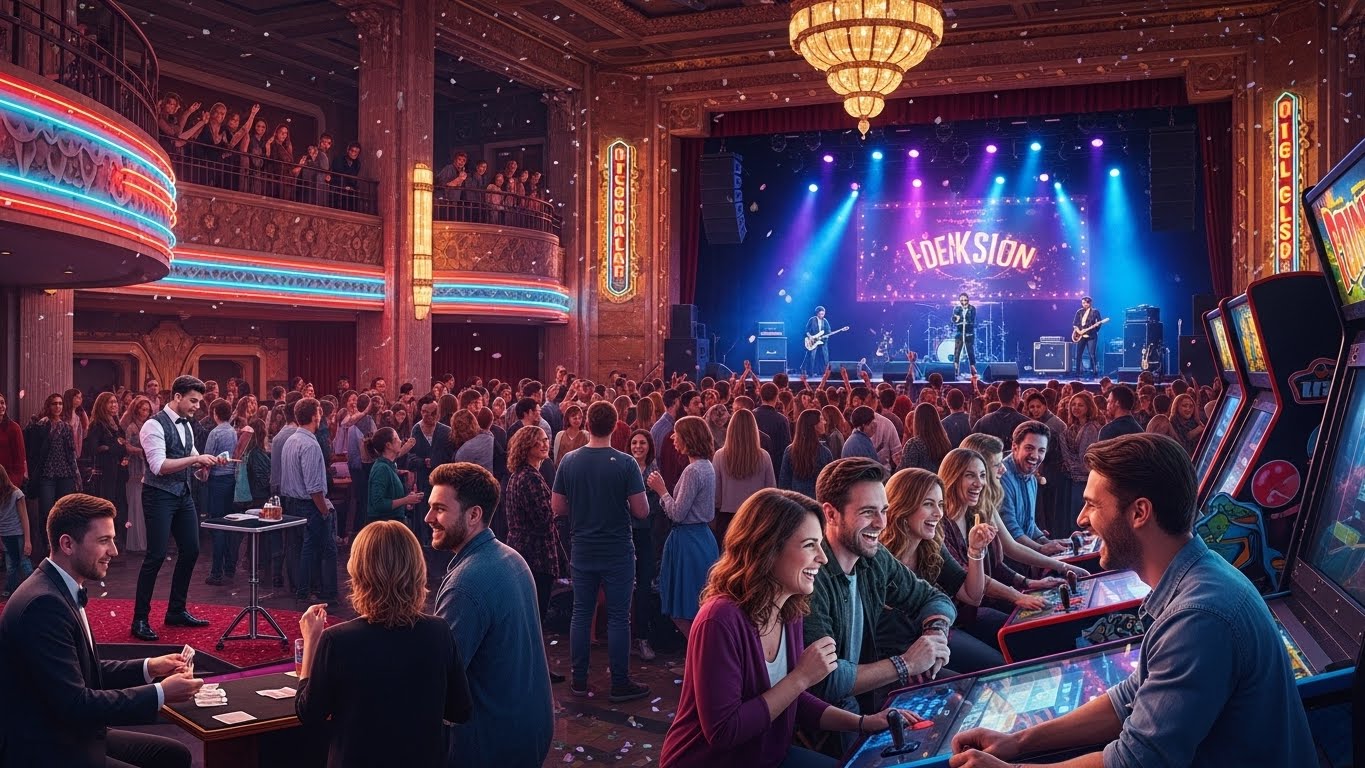
Take video games, for example. What was once a niche hobby has blossomed into a global phenomenon. With sophisticated graphics, complex storylines, and online multiplayer modes, gaming has become a form of entertainment that rivals movies and television in both popularity and cultural influence. Beyond gaming, technologies like virtual reality (VR) and augmented reality (AR) are offering new ways for people to experience content.
In VR, for instance, users can fully immerse themselves in a digital environment, whether it’s exploring virtual worlds, attending live concerts, or interacting with friends in real-time. AR, on the other hand, overlays digital elements onto the real world, making it possible to blend the physical and virtual into one experience. These technologies are revolutionizing entertainment by adding a layer of interactivity that passive formats can’t replicate.
The Influence of Social Media on Entertainment Trends
Social media has drastically changed the entertainment landscape in the last decade. Platforms like Instagram, TikTok, and YouTube are no longer just spaces for social interaction; they are driving trends and creating entertainment powerhouses. The rise of influencers—people who build large followings by creating content in niches ranging from beauty to gaming—has created a new breed of celebrity.
These platforms have also democratized entertainment, allowing anyone with a camera and an idea to reach a global audience. Whether it’s a viral dance on TikTok, a YouTube video that racks up millions of views, or an Instagram post that turns into a cultural phenomenon, social media has become a primary way for people to create and consume entertainment.
Moreover, social media’s influence extends beyond user-generated content. The way major studios and networks market their films, shows, and events is now heavily influenced by the conversations happening on platforms like Twitter and Facebook. Audiences can now directly interact with creators and even influence the outcome of certain projects, making entertainment more participatory than ever before.
The Emergence of Streaming and Its Impact on the Industry
Streaming services are at the forefront of the entertainment revolution, offering consumers easy access to an immense library of content. What started with music streaming platforms like Spotify and Pandora has expanded to include video streaming with giants like Netflix, Hulu, and Amazon Prime Video dominating the market.
The convenience and affordability of streaming have led to a decline in traditional cable TV subscriptions. Consumers are no longer bound by schedules or physical media; they can access what they want, when they want, and on any device. The success of streaming platforms has not only disrupted traditional broadcasting but has also reshaped the production of entertainment content.
With the ability to gather vast amounts of data about their users, streaming platforms are increasingly focused on personalized recommendations and creating content that specifically caters to different tastes. Original programming, such as Netflix’s “Stranger Things” or Disney+’s “The Mandalorian,” has become a major selling point for these platforms, allowing them to offer exclusive content that draws in new subscribers.
Gaming: A Dominant Force in Entertainment
Gaming has grown far beyond its roots as a simple pastime to become one of the most influential forms of entertainment worldwide. The gaming industry is now worth billions of dollars, and it’s shaping pop culture in profound ways. Esports, which involves competitive video gaming at a professional level, has exploded in popularity. Tournaments for games like “League of Legends” and “Fortnite” attract millions of viewers globally, with prize pools reaching millions of dollars.
Video games themselves are becoming more cinematic, with blockbuster titles like “The Last of Us” and “Red Dead Redemption” offering stories as rich and immersive as any film. Virtual worlds, such as “Fortnite” and “Minecraft,” allow players to interact, build, and even attend virtual events, further blending the lines between gaming and social media.
With new technologies like VR and AR, the future of gaming is even more thrilling. These innovations promise to provide experiences that are more interactive, immersive, and lifelike than ever before, making gaming an even more central part of the entertainment industry.
The Future: Artificial Intelligence, Blockchain, and the Metaverse
Looking ahead, the future of entertainment seems even more exciting as emerging technologies such as artificial intelligence (AI), blockchain, and the metaverse come into play.
AI is already being used to personalize entertainment experiences, from tailored movie recommendations to dynamic game narratives that respond to player choices. In the future, AI could even create content on its own, with algorithms capable of writing scripts, composing music, or generating video game landscapes. While this raises questions about creativity and authorship, it also opens up endless possibilities for the future of storytelling.
Blockchain, often associated with cryptocurrency, is poised to revolutionize how digital content is distributed and monetized. By using decentralized ledgers, creators could sell their work directly to consumers, ensuring fair compensation and reducing piracy. It could also enable new ways of owning digital content, such as NFTs (non-fungible tokens), which provide verifiable proof of ownership for digital art, videos, and music.
Finally, the metaverse—an immersive virtual reality where people can socialize, work, play, and experience entertainment—promises to be the next frontier in digital interaction. Imagine attending a concert or watching a movie not from the comfort of your couch, but as if you were actually there, interacting with other viewers and exploring virtual spaces. The metaverse could merge entertainment, gaming, and social media into a single, seamless experience that transcends physical boundaries.
Conclusion
Entertainment is on the cusp of a transformation that will redefine the way we consume, engage with, and even create content. With innovations in streaming, gaming, social media, and immersive technologies like VR and AR, the future of entertainment looks brighter and more exciting than ever. Whether you’re a fan of traditional cinema, interactive gaming, or the next big thing in digital entertainment, the future holds a wealth of possibilities. As these technologies continue to evolve, they will open up new worlds of entertainment that were once only imaginable. The question is not what the future of entertainment will look like—it’s what role you’ll play in it.