
The Magic of Modern Entertainment: How Creativity Shapes the Human Experience
Introduction: The Power of Entertainment in Everyday Life
Entertainment has always been an inseparable part of human existence. It is the heartbeat of culture, the reflection of imagination, and a bridge connecting people across generations. Whether through music, film, theatre, sports, or digital media, entertainment gives life rhythm and meaning. It provides joy, comfort, and inspiration during difficult times and allows individuals to escape into worlds beyond their own. Over centuries, the forms of entertainment have evolved, but the purpose remains the same—to make people feel, think, and connect.
The Ancient Origins of Entertainment
Long before screens and stages, entertainment found its roots in ancient rituals, storytelling, and communal gatherings. Early humans entertained one another through dances around fire, rhythmic drumming, and oral tales passed down through generations. These performances were more than just pastimes; they carried wisdom, tradition, and shared emotions. Ancient civilizations such as Egypt, Greece, and India celebrated art through grand performances, theatre, and music. Festivals and plays were expressions of divine worship and human creativity. Even without modern tools, the power of imagination brought people together, proving that entertainment is as old as humanity itself.
The Theatre: Birthplace of Dramatic Art
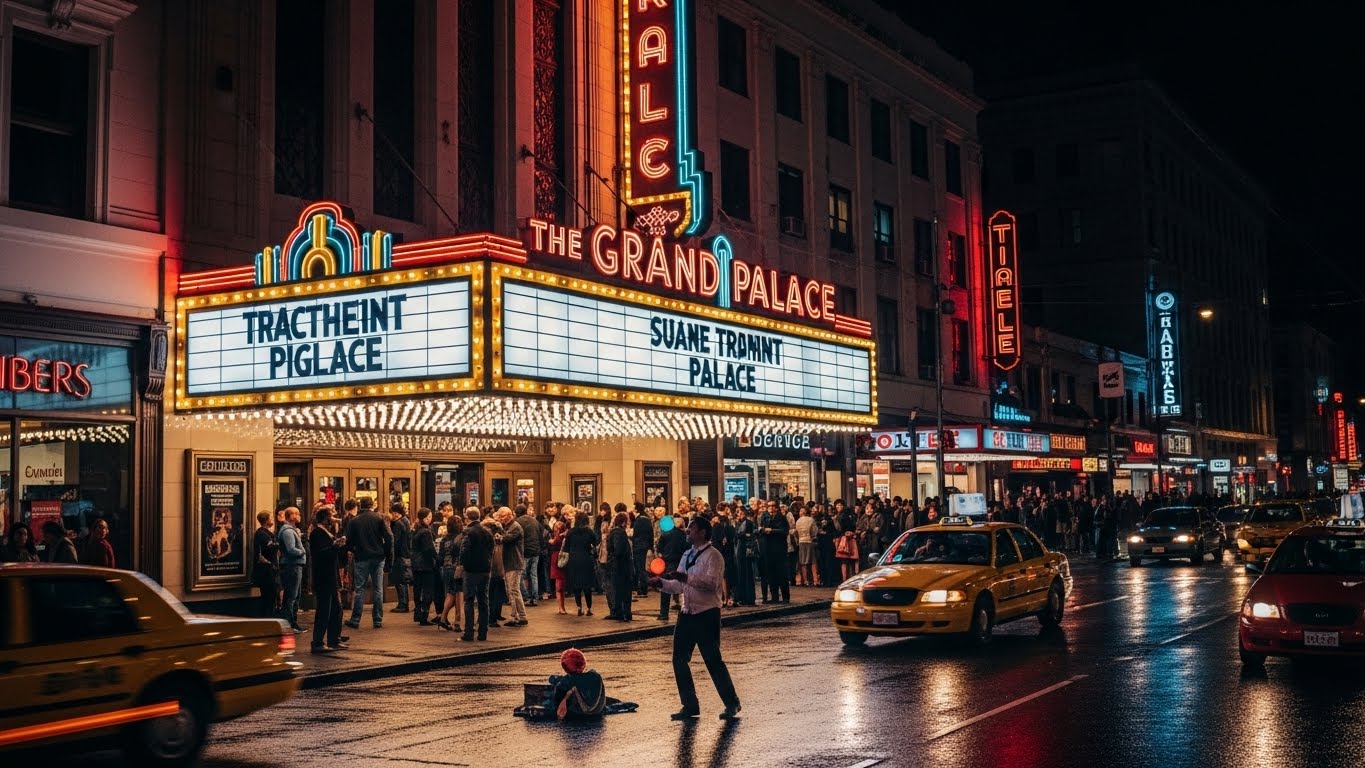
Theatre was among the first organized forms of public entertainment. Ancient Greek theatre introduced drama as a form of storytelling that blended dialogue, music, and movement. Playwrights like Sophocles and Euripides explored the depth of human emotion and morality. Over time, theatre evolved into an art form that reflected societal values and human nature. During the Renaissance, theatre flourished once again with writers such as Shakespeare, who transformed simple plays into timeless works of art. The energy of live performance and the direct connection between actors and audiences created an emotional bond that no other medium could match. Even today, stage performances remain a powerful reminder of the intimacy and authenticity of human expression.
The Cinematic Revolution: When Stories Found Motion
The invention of cinema in the late nineteenth century changed entertainment forever. For the first time, motion pictures allowed stories to move, breathe, and live on screen. What began as short silent films evolved into full-length masterpieces with sound, color, and powerful storytelling. The twentieth century saw the rise of legendary filmmakers and actors who turned movies into art forms that shaped global culture. Films became mirrors of society, reflecting both dreams and struggles. Each era of cinema introduced new genres, from romance and comedy to science fiction and fantasy. Movie theatres became sanctuaries where audiences could escape reality for a few hours and experience the magic of imagination.
The Era of Television: Bringing the World Home
Television revolutionized entertainment once again by bringing moving images directly into homes. Families gathered around TV sets to watch news, dramas, and comedies together. It became a unifying force, offering shared experiences that defined entire generations. Popular TV shows and live events created cultural milestones remembered for decades. The simplicity of television made entertainment accessible to everyone, bridging gaps between age groups and social classes. As cable and satellite broadcasting expanded, audiences gained access to international content, learning about diverse cultures and lifestyles. Television not only entertained but also educated and informed, making it a vital part of daily life.
The Musical Evolution: From Rhythm to Revolution
Music is the soul of entertainment. Its universal language transcends borders, cultures, and generations. Ancient societies used music for celebration, storytelling, and spiritual connection. Over time, instruments and styles evolved, giving birth to diverse genres like classical, jazz, rock, pop, hip-hop, and electronic music. The twentieth century marked a musical revolution, with artists using their voices not only for entertainment but also for change. Songs became powerful tools of emotion and social commentary. Today, music continues to evolve through digital platforms, allowing artists from every corner of the world to share their creativity instantly. It remains a companion for every emotion, capable of healing, inspiring, and energizing people.
The Digital Transformation of Entertainment
The rise of the internet changed everything. Suddenly, entertainment was no longer limited to theatres, radio, or television—it lived in the palms of our hands. The digital revolution gave birth to streaming services, social media, podcasts, and virtual concerts. Audiences could now choose what, when, and how they wanted to be entertained. This democratization of entertainment empowered creators who once had no access to major studios or record labels. Independent artists, filmmakers, and performers now reach global audiences from their living rooms. The internet transformed not just how we consume entertainment but also how we participate in it.
The Influence of Social Media on Modern Entertainment
Social media has created a new form of entertainment driven by interaction and engagement. Platforms dedicated to videos, photos, and live streaming have turned everyday people into global influencers. Entertainment today is shaped by trends, memes, and viral challenges that spread across the world within hours. Audiences are no longer passive observers—they are active participants who comment, create, and share. While social media has opened doors for creativity, it has also introduced challenges such as short attention spans and the pressure for instant success. Yet, it remains a vital force in shaping modern culture, blending entertainment with community and personal expression.
The Rise of Gaming and Interactive Media
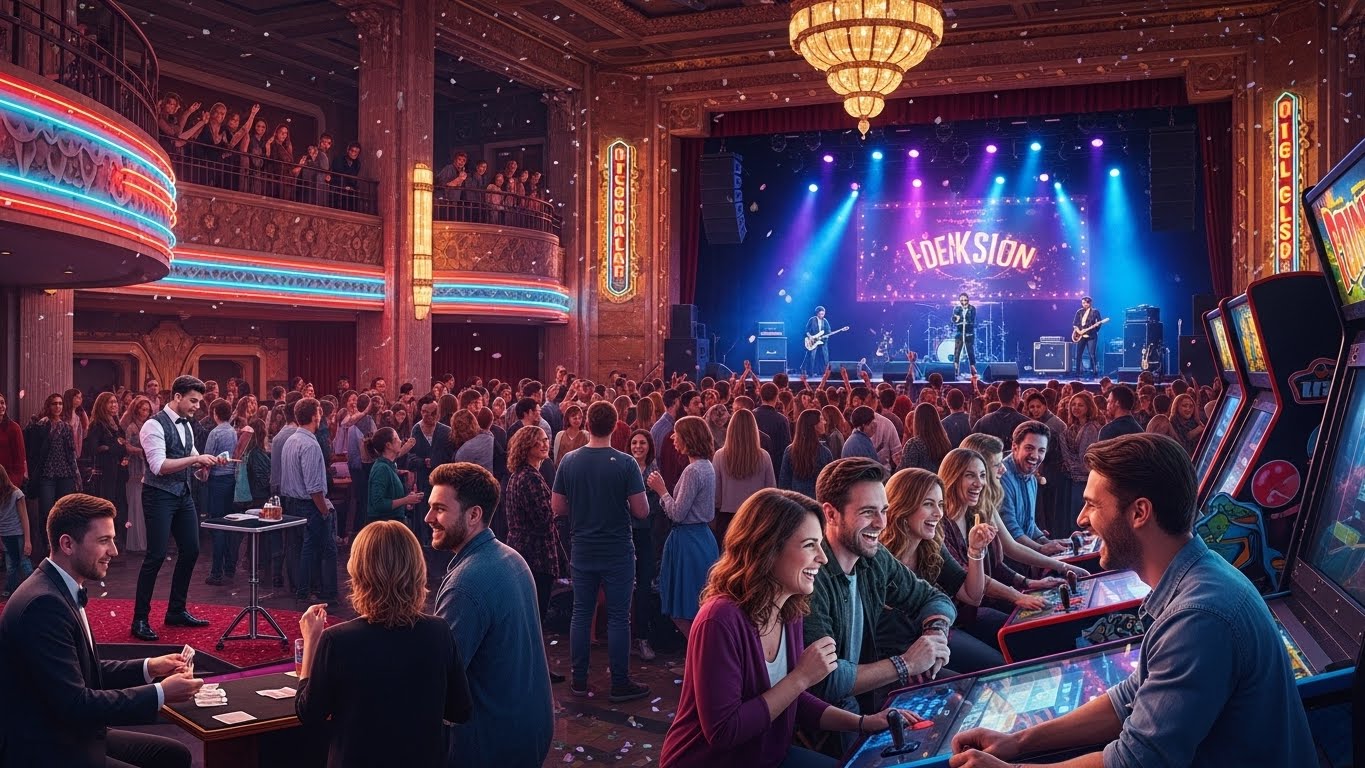
Video games have evolved from simple pixelated fun to immersive virtual worlds. Gaming combines storytelling, competition, and technology, offering players the chance to live different lives and explore limitless universes. Online gaming and esports have turned virtual play into professional entertainment, attracting millions of viewers and massive global tournaments. What makes gaming unique is its interactivity—players are not just spectators but part of the story itself. The sense of achievement, creativity, and teamwork found in gaming makes it one of the most powerful entertainment mediums of the modern era.
The Role of Technology in Shaping Creativity
Technology and entertainment share an inseparable relationship. Advancements in animation, virtual reality, and artificial intelligence have expanded the boundaries of imagination. Filmmakers can now create entire galaxies using visual effects. Musicians use software to produce sounds once thought impossible. Virtual reality allows audiences to step directly into the world of the story, experiencing entertainment in a deeply personal way. While technology enhances creativity, it also raises questions about authenticity and the human touch. The challenge for modern entertainers is to use technology as a tool, not a replacement for imagination and emotion.
Entertainment as a Reflection of Society
Throughout history, entertainment has mirrored the values, dreams, and conflicts of society. Every movie, song, or performance tells a story about its time. Entertainment influences culture as much as it is influenced by it. It can shape opinions, inspire movements, and bring awareness to important issues. Comedy challenges social norms through humor, while drama brings empathy to real-life struggles. Music speaks where words fail, and film immortalizes moments in time. In this sense, entertainment is more than escapism—it is a reflection of the collective human experience.
The Business of Entertainment: Creativity Meets Commerce
Behind every performance, song, or film lies a vast industry that turns creativity into business. Entertainment has become one of the most profitable global sectors, employing millions across production, marketing, and technology. Sponsorships, branding, and digital advertising have become integral to its success. However, the pursuit of profit can sometimes overshadow artistic expression. Balancing creativity and commerce is one of the biggest challenges in the industry. True success lies in delivering meaningful content while maintaining financial sustainability.
The Emotional Power of Entertainment
Entertainment has a unique ability to move people emotionally. A song can bring tears, a film can inspire hope, and a story can ignite change. It touches the deepest corners of the human heart, reminding us of our shared emotions and humanity. In times of uncertainty or sadness, entertainment offers escape and healing. It creates moments of laughter and unity that transcend differences. The emotions we feel through art and entertainment are proof of its extraordinary power to connect people on a universal level.
Challenges in the Modern Entertainment World
Despite its growth, the entertainment industry faces numerous challenges. Piracy, content saturation, and misinformation threaten the quality of media. The rise of digital content has also led to creative burnout among artists who feel pressured to constantly produce new material. Social media fame can be fleeting, and the demand for instant gratification can undermine meaningful artistry. There are also concerns about representation, inclusivity, and authenticity. The entertainment world must continue evolving with responsibility, ensuring that creativity thrives while respecting cultural diversity and human values.
The Future of Entertainment: Innovation and Immersion
The future of entertainment promises experiences that are more immersive, interactive, and personalized. Technologies like virtual reality, augmented reality, and artificial intelligence will redefine how stories are told. Imagine concerts in virtual spaces, films that adapt to your mood, or interactive shows where viewers influence the storyline. Entertainment will no longer be limited by screens—it will become an experience woven into daily life. Yet, the essence will remain the same: to connect people through imagination and emotion. The challenge will be to balance innovation with authenticity, ensuring that creativity continues to serve humanity’s need for connection and meaning.
Conclusion: The Endless Journey of Human Imagination
Entertainment is more than amusement—it is the pulse of human creativity. From ancient storytellers to digital creators, it continues to evolve, reflecting who we are and what we dream of becoming. It reminds us that imagination is boundless and connection is timeless. As technology advances and cultures blend, entertainment will continue to unite the world through laughter, music, and storytelling. In every era, it remains a celebration of life, emotion, and the shared beauty of being human. The magic of entertainment lies not only in what we watch or hear but in how it makes us feel, think, and dream beyond limits.