The Ever-Evolving World of Entertainment: Trends, Innovations, and Future Possibilities
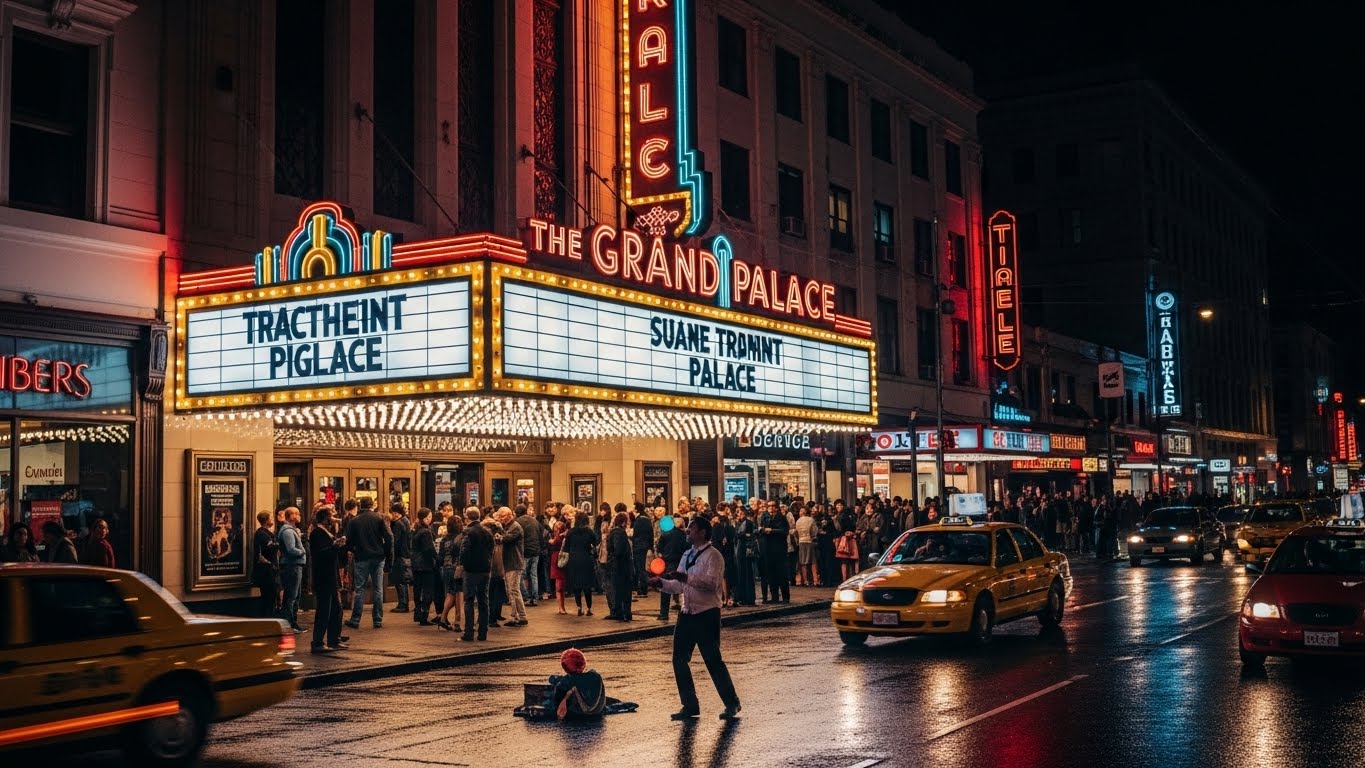
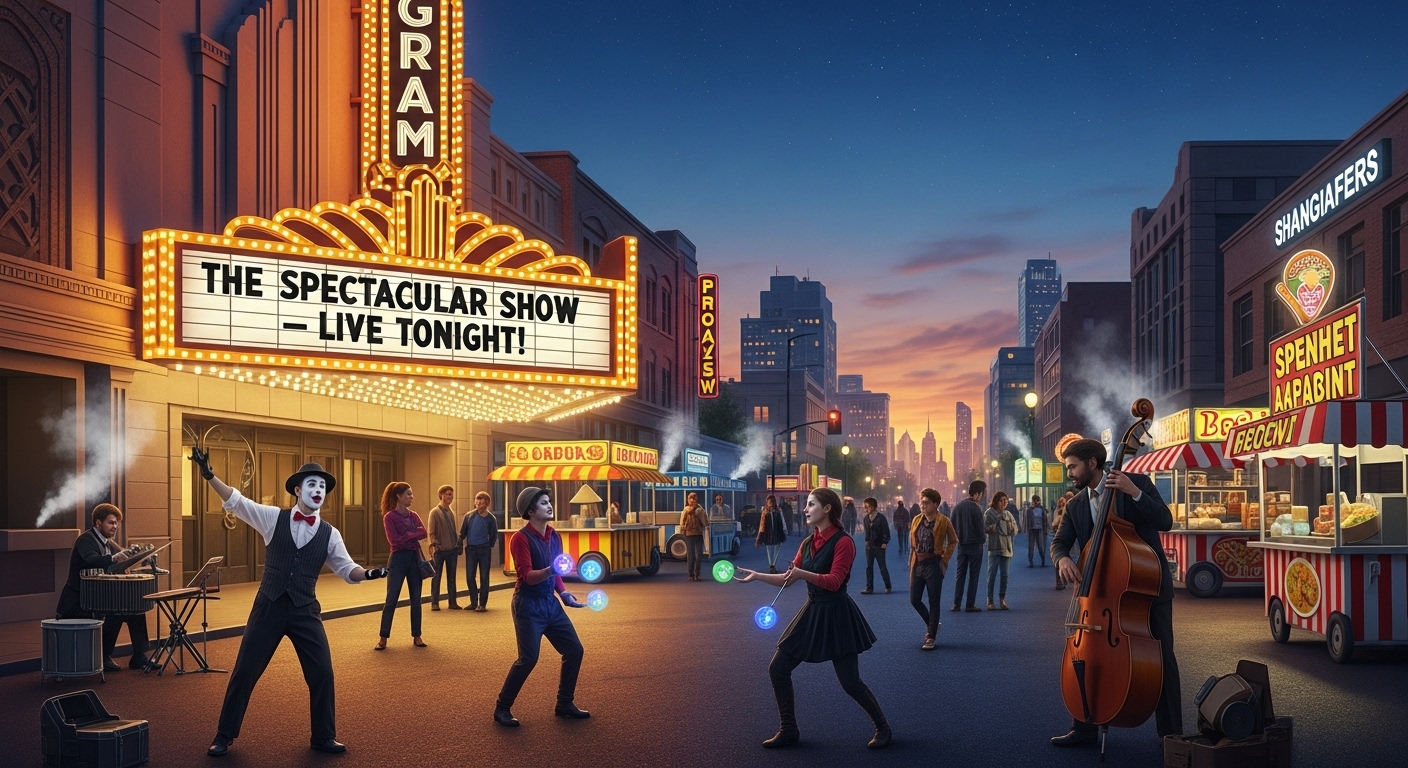
Entertainment has always been a cornerstone of human culture, providing an escape, a source of joy, and a way to connect with others. Over the years, it has evolved, adapting to new technologies, changing tastes, and cultural shifts. From the golden age of cinema to the rise of streaming platforms and social media, entertainment is constantly reshaping how we spend our time. In this blog post, we’ll explore the current trends, innovations, and what the future of entertainment might hold.
The Streaming Revolution: Changing the Way We Consume Media
The biggest shift in entertainment in the past decade has undoubtedly been the rise of streaming platforms. Services like Netflix, Disney+, Amazon Prime, and newer entrants such as Apple TV+ and HBO Max have revolutionized how we access movies, TV shows, and even live events. Gone are the days of waiting for your favorite show to air at a specific time. Now, viewers can binge-watch entire seasons of their favorite series or watch movies from the comfort of their own home.
This shift has also created new opportunities for creators. Platforms like YouTube, Twitch, and TikTok have given rise to independent creators who can build massive followings and monetize their content. The ability to produce and distribute content has never been more accessible, allowing for a more diverse range of voices and perspectives to be heard.
Interactive Entertainment: Video Games and Immersive Experiences
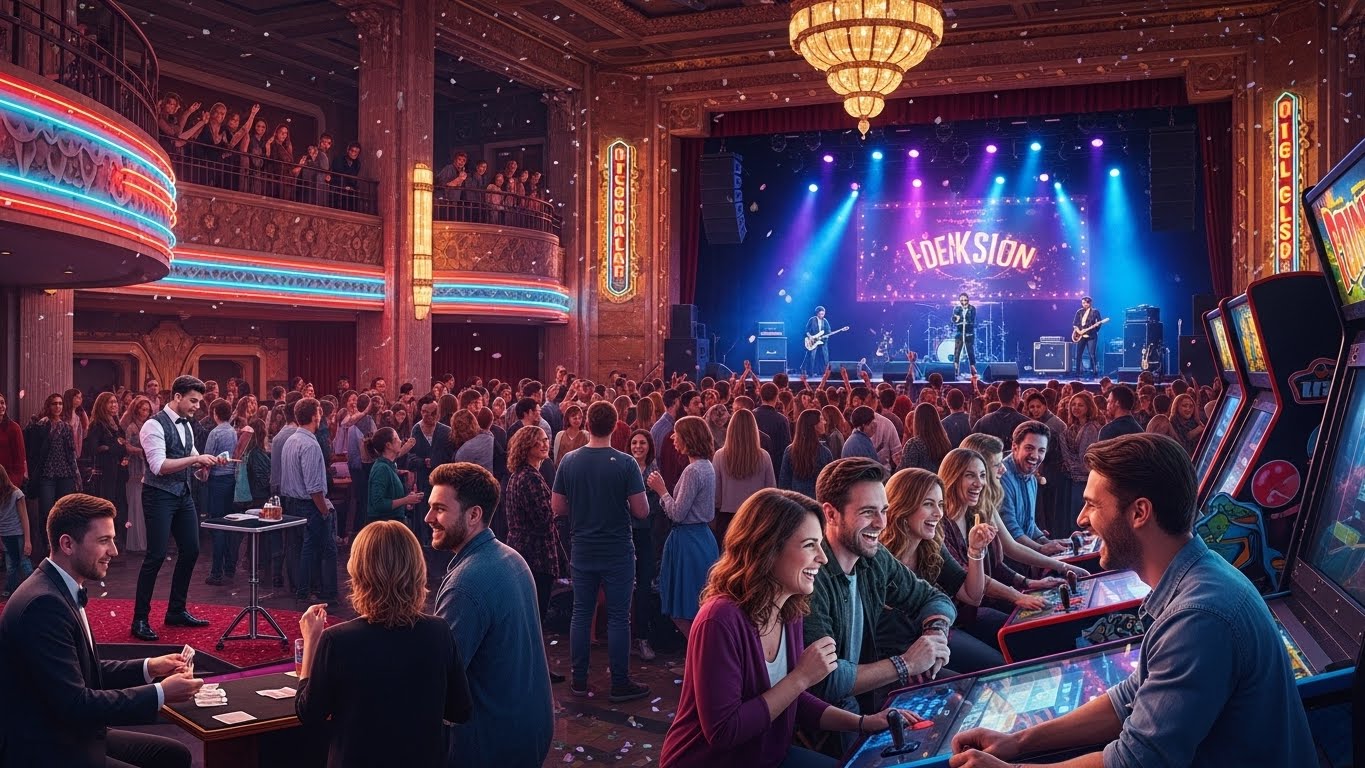
Video games have long been a dominant form of entertainment, but the industry has only grown more immersive and expansive in recent years. With advancements in technology, video games have evolved from simple, pixelated screens to highly realistic, open-world experiences. Games like The Last of Us and Cyberpunk 2077 blur the lines between interactive media and traditional cinema, offering a deep narrative experience that rivals the storytelling of blockbuster movies.
Virtual Reality (VR) and Augmented Reality (AR) are also pushing the boundaries of interactive entertainment. VR headsets like Oculus Quest allow players to step into fully immersive worlds, while AR technologies like Pokémon GO bring digital elements into the real world. These technologies are not just for gaming; they’re being integrated into live performances, art exhibitions, and even therapy, creating experiences that were once unimaginable.
The Role of Social Media in Shaping Entertainment
In the modern entertainment landscape, social media has become a central hub for content discovery and engagement. Platforms like Instagram, TikTok, and Twitter have transformed how artists, musicians, and influencers connect with their audiences. It’s no longer just about consuming entertainment—social media allows fans to interact directly with their favorite stars, share their thoughts in real-time, and even influence trends.
TikTok, in particular, has had a profound impact on entertainment. Songs, dances, and challenges that go viral on TikTok often lead to mainstream success, and many artists have gained recognition through viral moments on the platform. Similarly, influencers are using platforms like YouTube and Twitch to create unique content, build communities, and even launch their own brands.
The Rise of Personalization in Entertainment
One of the key features of modern entertainment is personalization. Streaming platforms use algorithms to recommend content tailored to individual tastes, making it easier for viewers to discover new movies, shows, and music. Similarly, social media platforms personalize the content we see based on our interests, ensuring that we’re always connected to the latest trends and updates.
In addition to content recommendations, personalization has also made its way into live events. Services like Spotify and Apple Music offer personalized playlists based on listening habits, and artists are increasingly using data to create targeted experiences for fans. Whether it’s a concert setlist that reflects the audience’s preferences or a video game that adjusts to a player’s playstyle, personalization is enhancing our entertainment experiences in profound ways.
The Future of Entertainment: AI, Automation, and Beyond
Looking ahead, the future of entertainment is set to be shaped by cutting-edge technologies like artificial intelligence (AI) and automation. AI is already being used in film production to create realistic visual effects, and in music composition, where algorithms can now create original songs. In the gaming world, AI is being used to create more lifelike NPCs (non-player characters) and improve the player experience through adaptive difficulty levels.
Automation, too, is poised to make a significant impact on the entertainment industry. From video editing to scriptwriting, many aspects of content creation are being streamlined by machine learning tools. While this may raise concerns about job displacement, it could also lead to new forms of creativity, with AI acting as a co-creator rather than a replacement.
As virtual reality and augmented reality continue to evolve, it’s likely that we’ll see entirely new forms of entertainment emerge. Imagine attending a live concert in VR, where you can feel as if you’re physically there, or a movie that changes based on your choices and actions, blurring the line between film and interactive media.
The Social Impact of Entertainment
Entertainment doesn’t just serve as a source of enjoyment—it also plays a powerful role in shaping culture and influencing societal values. From film and television to music and literature, entertainment reflects and sometimes challenges the prevailing norms of the time. With the rise of streaming and social media, there’s also been a noticeable shift toward greater diversity and inclusion, both in terms of the stories being told and the people telling them.
The entertainment industry’s ability to drive conversations about important social issues cannot be overstated. Whether it’s through movies that highlight social justice issues, music that brings attention to environmental concerns, or viral campaigns that spark political movements, entertainment has the power to influence opinions and inspire action in profound ways.
Conclusion: An Unstoppable Evolution
The entertainment industry is one of the most dynamic sectors in the world, constantly evolving to meet the needs and desires of audiences. What started with simple forms of storytelling has grown into an expansive, multi-faceted universe that encompasses everything from video games and VR to social media and interactive content. As technology continues to advance, the possibilities for entertainment are virtually limitless.
In the coming years, we’ll likely see even more radical shifts in how we consume and interact with entertainment. Whether through AI, immersive virtual worlds, or new forms of personalized content, the future promises to be an exciting time for both creators and consumers alike. The only certainty is that entertainment will continue to evolve—and we’ll all be along for the ride.