
The Ever-Evolving World of Entertainment
Entertainment is one of the most significant and enduring aspects of human life. It is a reflection of our creativity, culture, and imagination. From the earliest stories told around fires to today’s digital streaming platforms, entertainment has evolved in remarkable ways, shaping societies and influencing the ways people think, feel, and connect. It is not merely a pastime but a powerful force that brings people together, inspires emotions, and even drives change. This blog explores the multifaceted world of entertainment, tracing its history, examining its modern forms, and exploring its impact on culture, technology, and society.
The Origins of Entertainment
The roots of entertainment extend deep into human history. Before written language or modern media, humans relied on storytelling, music, and dance to communicate, educate, and amuse. Early communities gathered to share oral tales that recounted heroic deeds, explained natural phenomena, or imparted moral lessons. These narratives were a vital form of cultural preservation, ensuring that traditions and values were passed down through generations.
Music has always been intertwined with entertainment. Primitive instruments such as drums, flutes, and stringed objects produced rhythms and melodies that accompanied communal dances and rituals. These musical performances were not only enjoyable but also created a sense of unity and identity among early humans. Similarly, dance allowed for the expression of emotion and storytelling through movement.
As societies evolved, entertainment became more organized. Ancient civilizations like Egypt, Greece, Rome, and China developed structured performances such as theater, poetry recitals, and athletic competitions. These forms of entertainment were not only for enjoyment but also for education, religious devotion, and social cohesion. The Greek theater, for instance, explored human emotions and moral dilemmas through tragedy and comedy, leaving a lasting legacy on storytelling and performance arts.
Theater and the Performing Arts
Theater has remained a cornerstone of entertainment throughout history. Ancient plays were more than performances; they were social events that united communities and conveyed cultural values. Greek tragedies and comedies explored universal themes such as love, power, and morality. Medieval theater often had religious overtones, teaching lessons through morality plays. By the Renaissance, theater had evolved into a sophisticated art form with playwrights such as William Shakespeare exploring the depths of human emotion and societal norms.
Opera and ballet further enriched the performing arts. Opera combined music, drama, and visual spectacle into a cohesive form of storytelling that captivated audiences. Ballet added a layer of grace and physical artistry, turning narrative into an expressive visual performance. Each form of theater offered unique ways to experience storytelling, leaving audiences inspired, moved, and entertained.
Even today, theater retains its charm. Live performances have an immediacy and intimacy that digital media cannot replicate. The energy of the performers, the engagement of the audience, and the unpredictability of each show create an experience that is both unique and memorable. Modern theater continues to thrive alongside digital entertainment, proving that traditional performance arts remain relevant and impactful.
The Birth of Cinema
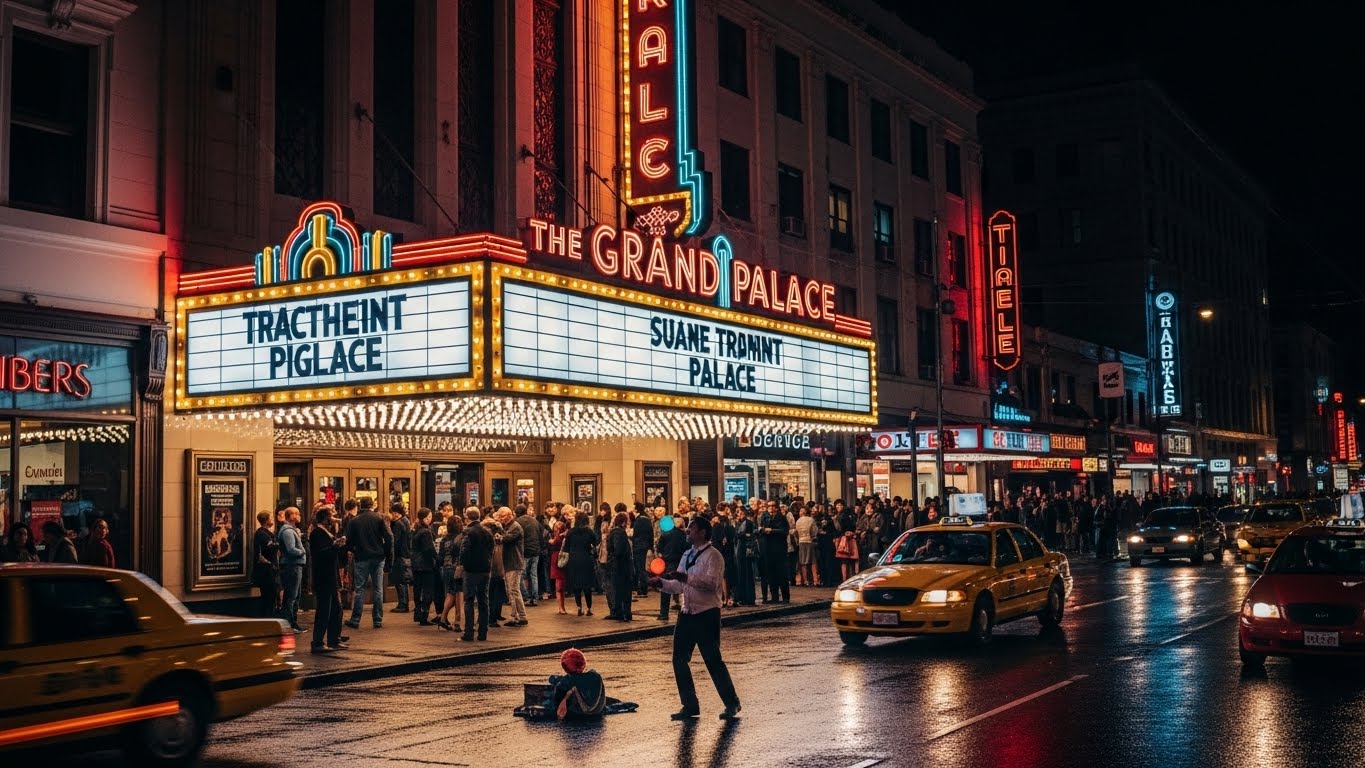
The invention of cinema in the late 19th and early 20th centuries revolutionized entertainment. Early films, though silent and brief, fascinated audiences by bringing motion to static images. Pioneers such as the Lumière brothers and Georges Méliès experimented with film techniques that transformed moving pictures into a medium capable of storytelling, emotion, and imagination.
Hollywood quickly became the epicenter of cinema, producing films that shaped culture and influenced global audiences. The silent film era introduced iconic actors like Charlie Chaplin, whose performances combined physical comedy and emotional depth. With the advent of sound in the late 1920s, cinema became an even more immersive experience, allowing dialogue, music, and sound effects to enhance storytelling.
Color films and technological advancements such as special effects expanded the possibilities of filmmaking. Genres like romance, action, horror, and science fiction flourished, catering to diverse audiences. Cinema became a universal language, transcending borders and cultures while providing a shared space for human emotion and imagination.
Global cinema also evolved beyond Hollywood. Bollywood in India, Nollywood in Nigeria, and international arthouse films brought new perspectives, cultural narratives, and storytelling techniques to global audiences. Today, cinema continues to adapt, incorporating digital technology, computer-generated imagery, and immersive experiences to captivate audiences worldwide.
Television and the Golden Age of Broadcast
Television transformed entertainment once again by bringing it directly into people’s homes. The mid-20th century saw the rise of television as a central form of media, shaping culture and daily life. Families gathered around TV sets to watch news, sitcoms, dramas, and live events, making it a shared experience that united households and communities.
Television gave rise to iconic shows that defined generations. Sitcoms such as I Love Lucy brought humor into homes, while dramas explored complex social issues and human relationships. Game shows and live broadcasts created excitement and engagement, allowing viewers to feel part of the entertainment experience.
The expansion of cable and satellite television in the late 20th century increased content diversity. Channels dedicated to music, sports, and specialized interests allowed audiences to explore entertainment tailored to their preferences. Television became both a cultural touchstone and a platform for storytelling, education, and social commentary.
The Digital Revolution and Streaming
The 21st century introduced a new era of entertainment with the rise of the internet and digital platforms. Streaming services revolutionized how audiences consume content, offering instant access to movies, TV shows, and music without the need for traditional schedules or physical media.
This shift changed the entertainment industry profoundly. Viewers gained control over their content consumption, leading to the phenomenon of binge-watching entire seasons in a single sitting. Streaming platforms also provided opportunities for independent creators, allowing diverse voices to reach global audiences without relying on traditional studios.
Digital content has democratized entertainment. Social media platforms, video-sharing websites, and streaming services empower individuals to create and share content widely. Audiences now participate actively, commenting, sharing, and shaping trends in ways that were previously impossible. This interactivity has transformed entertainment from a passive experience into a dynamic and participatory form of engagement.
Music: A Timeless Form of Entertainment
Music has always played a central role in entertainment. It is a universal language that transcends cultural and linguistic boundaries, connecting people through rhythm, melody, and emotion. From ancient chants to classical symphonies, from jazz and rock to electronic music and hip-hop, music has evolved alongside human civilization, reflecting cultural shifts and technological advancements.
Recorded music in the late 19th and early 20th centuries transformed how people experienced sound. The phonograph, vinyl records, cassettes, CDs, and eventually digital formats allowed audiences to enjoy music repeatedly and privately. Radio and television broadcasts brought music into homes, making it a shared cultural experience.
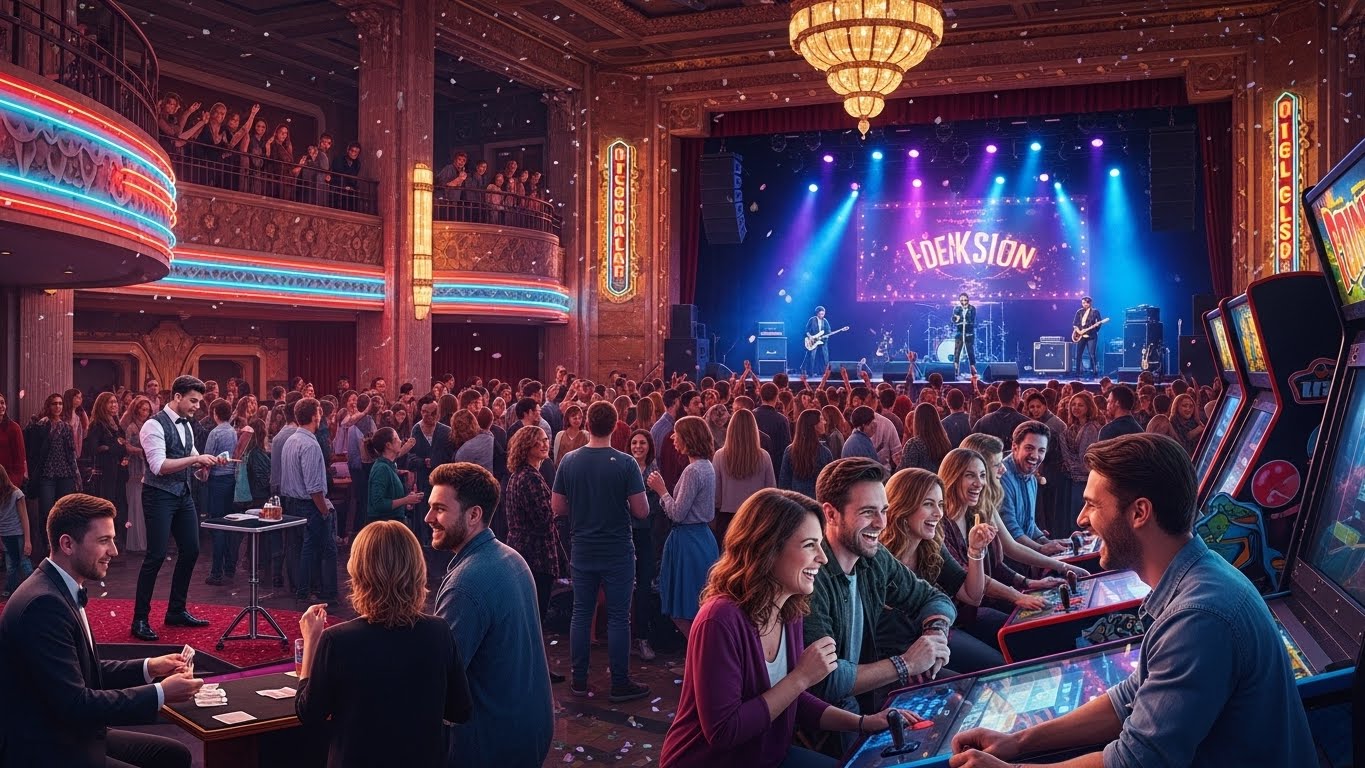
The digital age further transformed music. Streaming platforms, online distribution, and social media allow musicians to reach global audiences instantly. Artists can produce, promote, and distribute music independently, creating opportunities for new genres and experimentation. Live concerts and festivals remain vital, providing communal experiences that technology alone cannot replicate. Music continues to evolve, reflecting the changing tastes, emotions, and creativity of society.
Gaming and Interactive Entertainment
Gaming has emerged as one of the fastest-growing forms of entertainment. From simple arcade games to complex multiplayer online worlds, video games offer immersive experiences that combine storytelling, art, and interactivity. Unlike passive forms of entertainment, gaming allows participants to actively shape outcomes, explore virtual worlds, and engage with others globally.
Esports has transformed competitive gaming into a mainstream phenomenon, attracting millions of viewers worldwide. Games now offer cinematic narratives, interactive storytelling, and social communities, creating experiences that rival movies and television in scope and engagement. Virtual reality and augmented reality continue to expand the possibilities of gaming, creating fully immersive environments that blend imagination with technology.
Gaming is not only entertainment but also a platform for creativity, socialization, and skill development. It teaches problem-solving, strategic thinking, and collaboration, highlighting the evolving role of entertainment in modern life.
Social Media and the New Age of Entertainment
Social media has redefined how entertainment is created, shared, and consumed. Platforms like Instagram, TikTok, and YouTube empower users to produce content and reach vast audiences without traditional gatekeepers. Influencers, vloggers, and content creators have become integral parts of the entertainment ecosystem, shaping trends and cultural conversations.
Social media entertainment thrives on engagement, relatability, and immediacy. Audiences participate directly, sharing opinions, collaborating on challenges, and influencing content creation. Viral trends spread rapidly, demonstrating the power of digital communities in shaping cultural phenomena.
This new form of entertainment also blurs the line between creator and consumer. Everyone has the potential to contribute to culture, making entertainment more inclusive and participatory than ever before.
Globalization and Cultural Exchange
Entertainment has become a global phenomenon, breaking down cultural and linguistic barriers. Movies, music, and television from one country can now reach audiences worldwide. Korean dramas, Indian films, Latin music, and international streaming content demonstrate the universality of storytelling and creativity.
Globalization has expanded the diversity of entertainment. Audiences are exposed to different perspectives, traditions, and artistic styles, enriching cultural understanding. At the same time, globalization encourages collaboration, innovation, and cross-cultural exchange, creating entertainment that resonates universally while celebrating local identity.
The Future of Entertainment
The future of entertainment is intertwined with technology, creativity, and audience engagement. Emerging technologies such as virtual reality, augmented reality, and artificial intelligence are redefining how stories are told and experienced. Immersive environments, interactive narratives, and personalized content promise new ways for audiences to connect with entertainment.
The metaverse represents the next frontier, blending digital and physical spaces into immersive social and entertainment platforms. AI-generated content, holographic performances, and virtual influencers are already transforming creative industries, offering experiences that were once unimaginable.
Despite technological advances, the core purpose of entertainment remains unchanged: to inspire, connect, and provide joy. As new generations of creators and audiences emerge, entertainment will continue to evolve, reflecting human imagination and cultural progress.
Conclusion
Entertainment is more than a form of leisure—it is a reflection of humanity. It evolves alongside culture, technology, and society, providing joy, inspiration, and connection. From the earliest stories told by firelight to the immersive digital experiences of today, entertainment has shaped human experiences across generations.
Its power lies in its universality. Music, films, games, theater, and digital content unite people across cultures and languages. Entertainment mirrors society while also pushing boundaries, challenging norms, and inspiring creativity.
As technology and culture continue to advance, entertainment will remain an essential part of human life. It will adapt, innovate, and captivate, reminding us that imagination, emotion, and connection are at the heart of every experience. The journey of entertainment is ongoing, and its impac