The Ever-Changing World of Entertainment: A Journey Through Creativity and Culture
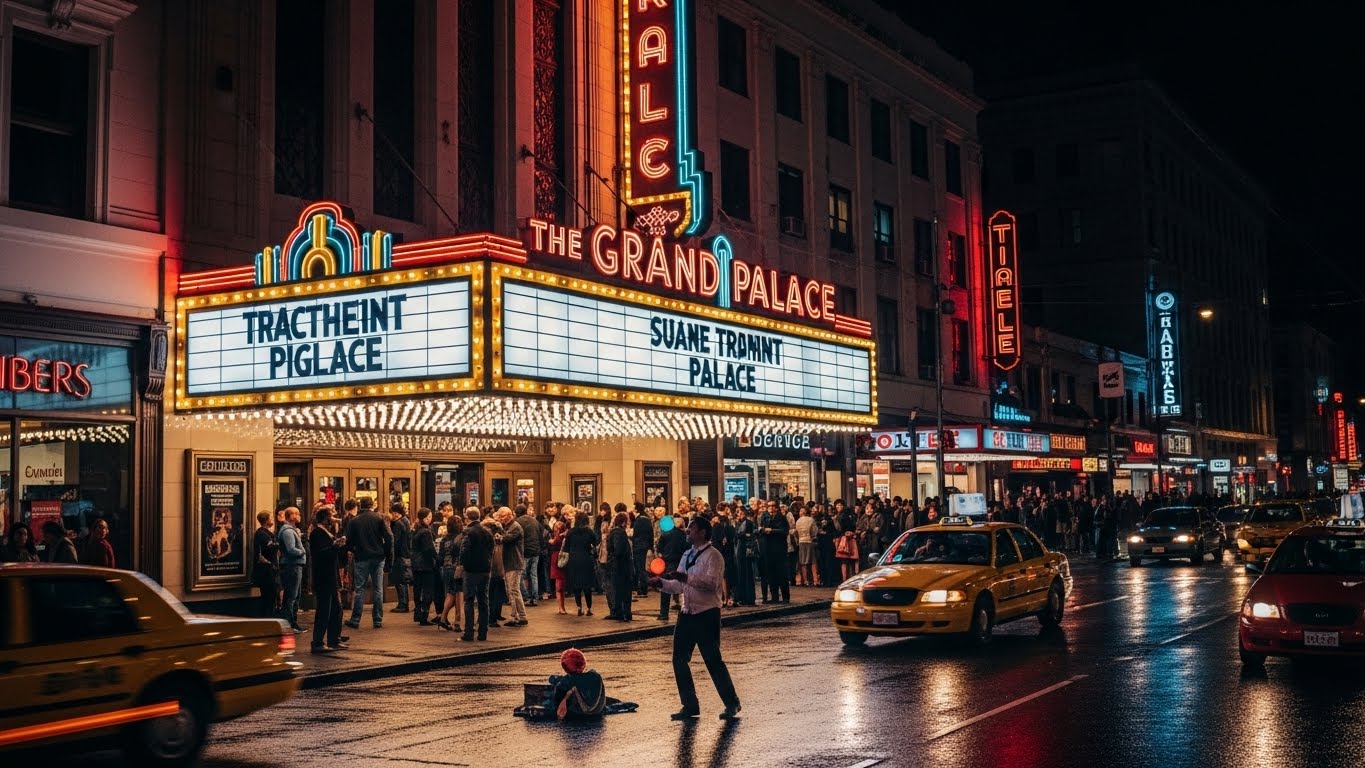
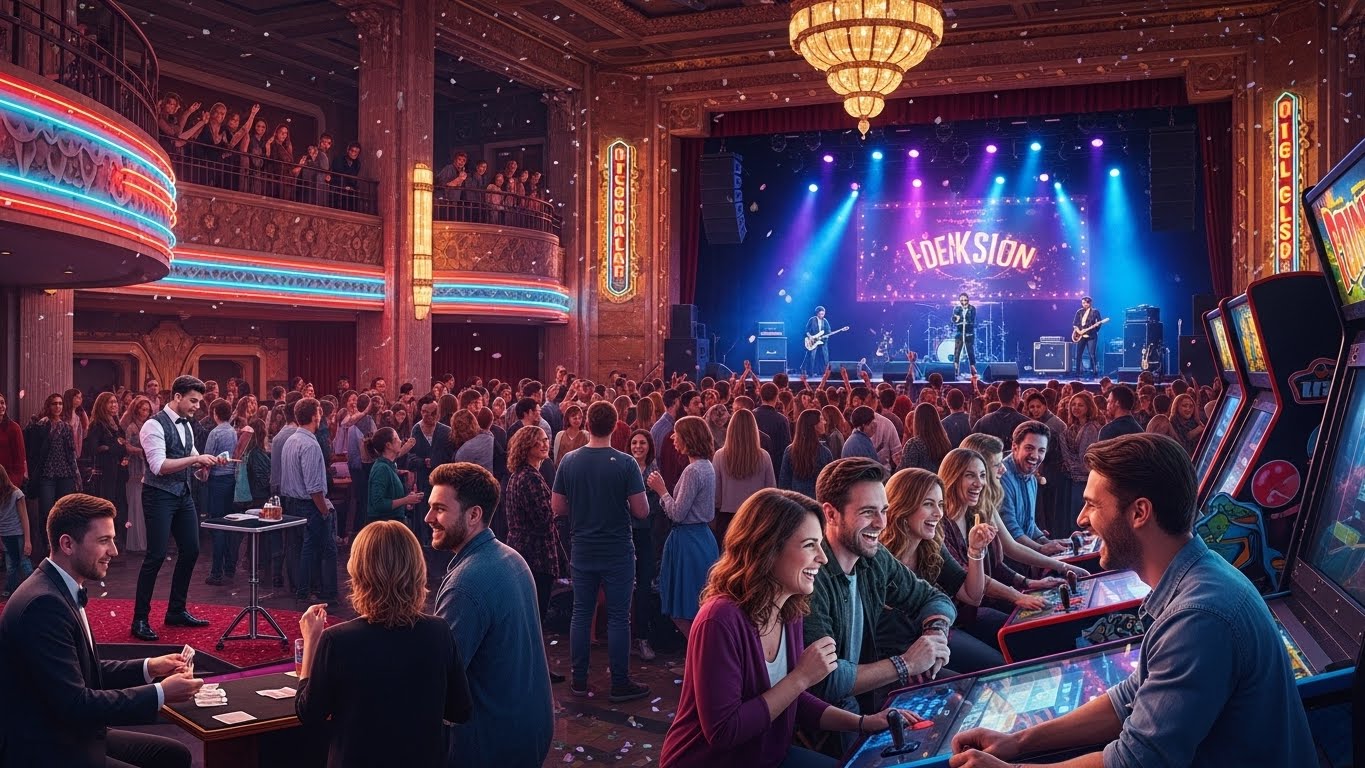
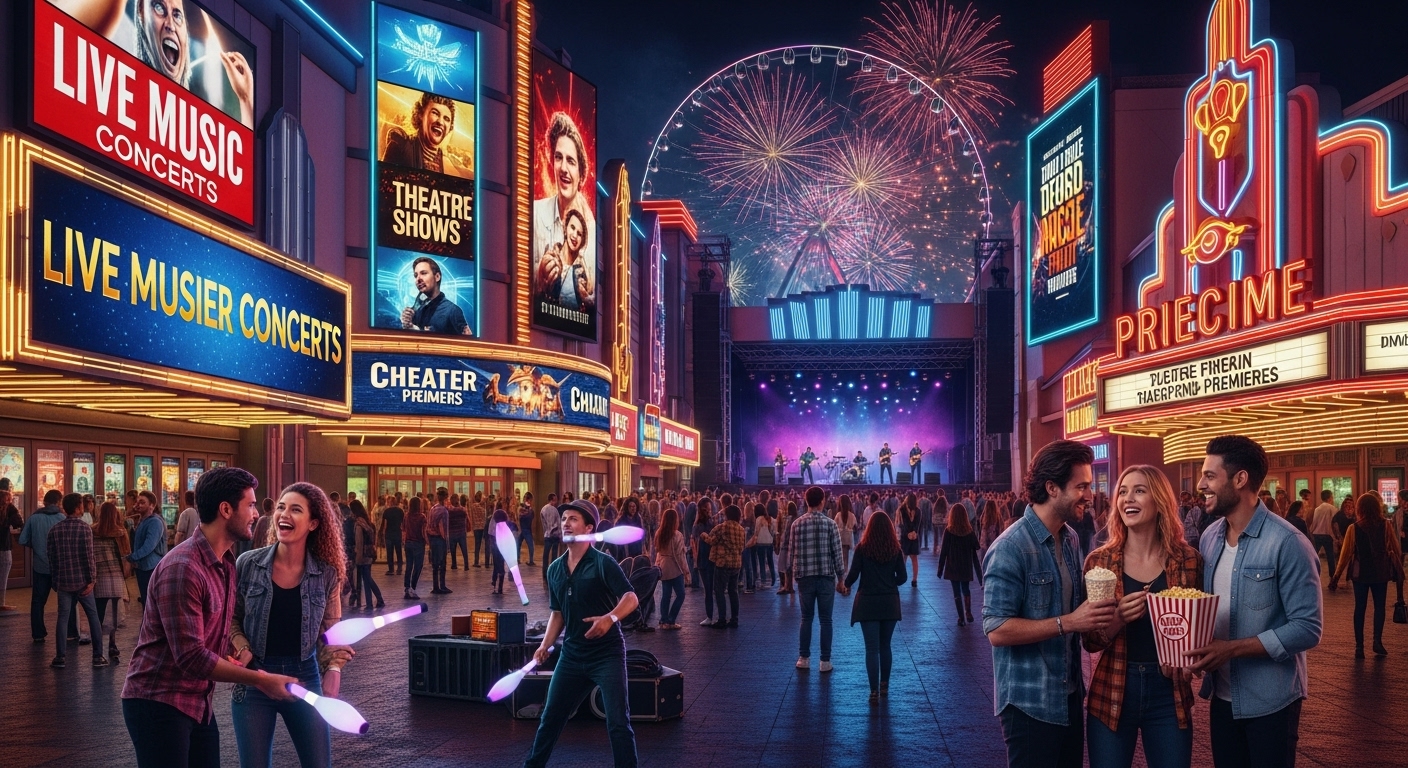
Entertainment is the heartbeat of modern life. It connects people, inspires emotions, fuels imaginations, and brings together cultures across the world. From ancient storytelling to the digital streaming age, the evolution of entertainment has reflected the growth of human civilization itself. It is not merely a way to pass time; it is a mirror of who we are, what we believe in, and how we dream. Today, entertainment takes countless forms, from cinema, television, and gaming to music, theater, and digital content creation. In this blog, we will dive deep into the vast world of entertainment—its history, its transformations, its cultural impact, and the magic it continues to bring to our daily lives.
The Roots of Entertainment
The story of entertainment is as old as humanity. Long before there were screens, speakers, or stages, people found joy in simple activities—dancing around fires, singing songs, and telling stories. Storytelling was one of the first and most powerful forms of entertainment. It was how knowledge, history, and traditions were passed from one generation to another. These early performances were more than amusement; they were a way to keep communities connected and cultures alive.
As societies evolved, so did their forms of entertainment. Ancient civilizations like Greece and Rome built grand amphitheaters for plays, music, and even sporting events. Festivals became a central part of community life, filled with performances, poetry, and art. The craving for entertainment was a reflection of human creativity and our need for emotional connection.
The Rise of Theater and Performance
Theater was one of the earliest structured forms of entertainment that shaped human expression. In ancient Greece, playwrights like Sophocles and Euripides used the stage to tell stories of gods, heroes, and tragedies. The combination of dialogue, music, and performance created an immersive experience that captivated audiences.
As time passed, theater spread through Europe and beyond, transforming from open-air performances to grand indoor productions. The Shakespearean era brought a golden age of drama, where themes of love, betrayal, power, and destiny came alive on stage. Actors became storytellers of the human condition, and audiences were transported into different worlds through the magic of performance.
Theater remains relevant even today. Modern plays and musicals continue to inspire millions, blending traditional storytelling with technology, music, and visual art. From Broadway to community theaters, the stage still holds the power to make people laugh, cry, and reflect on life.
The Birth of Cinema: A Revolution in Motion
The late 19th and early 20th centuries marked the birth of a new form of entertainment—the motion picture. When moving images were first projected onto a screen, audiences were astonished. It was as if stories had come to life. Cinema quickly became a universal language that transcended borders.
Silent films like those of Charlie Chaplin and Buster Keaton brought humor and emotion without the need for dialogue. Later, the invention of sound transformed the industry, allowing for richer storytelling. Hollywood emerged as the epicenter of global entertainment, producing timeless classics that still influence filmmakers today.
Movies became more than just a form of entertainment—they became cultural landmarks. Films reflected the hopes, fears, and dreams of societies. They offered escapism during difficult times and a sense of shared experience among viewers. Even as technology advanced, the emotional impact of a well-told story on screen remained unmatched.
The Golden Age of Television
After cinema, television changed the way the world consumed entertainment. The small screen brought news, drama, comedy, and variety shows directly into people’s living rooms. Families would gather around the TV set to enjoy their favorite programs together, creating moments of connection and joy.
The 1950s to the 1990s are often called the golden age of television. Iconic shows, sitcoms, and series became part of popular culture. From sitcom laughter to dramatic storytelling, television provided something for everyone. It was a unifying force, shaping trends, fashion, and even language.
As technology advanced, color TV, cable networks, and satellite broadcasting expanded the choices available to viewers. Entertainment became more diverse and inclusive, allowing different voices and cultures to be represented on screen. Today, television continues to evolve, with streaming platforms offering a new level of convenience and creativity.
The Digital Revolution and Streaming Era
The rise of the internet changed everything. Entertainment moved from physical spaces and traditional media to digital platforms accessible anytime, anywhere. Streaming services revolutionized how people watched movies, shows, and even live performances. The concept of waiting for a weekly episode faded away as binge-watching became the new norm.
This era also empowered creators. Independent filmmakers, musicians, and content creators could now reach audiences directly without relying on big studios or networks. Platforms for video sharing, podcasts, and live streaming gave birth to a new kind of celebrity—the digital influencer.
Streaming also reshaped the business side of entertainment. Traditional studios had to adapt to changing viewer habits, investing in on-demand content and interactive experiences. Today’s entertainment landscape is defined by accessibility, choice, and personalization. Everyone can find something that suits their taste, whether it’s a blockbuster film, a gaming livestream, or a true-crime documentary.
The Evolution of Music and Its Emotional Power
Music has always been the universal language of emotion. From tribal drums to digital synthesizers, it has evolved with humanity’s technological and cultural shifts. In ancient times, music was a part of rituals and celebrations, closely tied to spirituality and storytelling.
With the invention of musical instruments, and later recording technology, music became more personal and portable. The radio brought songs into homes, and vinyl records made collections possible. The 20th century witnessed the rise of musical icons—from Elvis Presley and The Beatles to Michael Jackson and Madonna—who not only defined eras but also shaped global culture.
Today, digital platforms allow instant access to millions of songs from every genre and artist imaginable. Music streaming has turned listening into a personalized experience. Social media trends and global collaborations have blurred the boundaries between genres, proving that music continues to unite people across languages and borders.
The Gaming Industry: Where Technology Meets Imagination
One of the most dynamic areas of modern entertainment is gaming. What started as simple pixelated experiences has transformed into vast virtual worlds filled with realism, strategy, and storytelling. Gaming has become one of the largest entertainment industries in the world, rivaling film and television in revenue and cultural influence.
Video games offer something unique—interactive storytelling. Players are not just observers; they are participants in the story. From classic arcade games to complex open-world adventures, gaming provides both escapism and challenge.
The rise of eSports has taken gaming to another level, turning competitive play into a global phenomenon. Professional players, streaming personalities, and massive tournaments have turned gaming into a full-fledged career for many. Beyond competition, games have become a social space where friends and communities come together, blurring the lines between play and connection.
Social Media and the Rise of User-Generated Entertainment
The explosion of social media has redefined entertainment in the 21st century. Platforms for short videos, live streaming, and digital storytelling have made everyone a potential entertainer. From comedy sketches to dance trends and educational content, social media has democratized creativity.
This new era of entertainment thrives on interaction. Audiences are no longer passive consumers—they engage, comment, share, and even collaborate. Viral content can make ordinary individuals global sensations overnight. The entertainment ecosystem is now shaped by trends, memes, and moments that spread at lightning speed.
However, the rise of digital entertainment has also brought challenges—issues like misinformation, digital fatigue, and the pressure of online fame. Yet despite these challenges, social media remains one of the most powerful tools of modern creativity.
Cultural Impact of Entertainment
Entertainment is not just about fun; it is deeply tied to culture. It influences fashion, language, social values, and even politics. Films and music often reflect the struggles and aspirations of their time. They can challenge stereotypes, inspire movements, and bring awareness to important issues.
For example, cinema has the power to highlight social injustices or celebrate cultural diversity. Music can become the anthem of change, while theater and art can provoke thought and empathy. In every form, entertainment is a vehicle of cultural expression that helps societies understand themselves and others.
Entertainment also plays a vital role in shaping identities. People relate to stories, characters, and lyrics that resonate with their personal experiences. It builds connections and empathy, reminding us of the shared human experience that transcends borders and differences.
The Future of Entertainment: Blending Reality and Imagination
As we move forward, entertainment continues to evolve alongside technology. Virtual reality, augmented reality, and artificial intelligence are redefining how we experience stories and performances. The boundary between the real and the virtual is becoming increasingly thin.
Imagine watching a movie where you can step inside the scene, or a concert where you can interact with the performer through holograms. These innovations are not far-fetched—they are already being tested and developed. The future promises immersive and personalized entertainment experiences like never before.
Artificial intelligence is also playing a growing role in content creation. From AI-generated music to digital actors, technology is expanding creative possibilities. Yet, the essence of entertainment will always remain human—the emotions, imagination, and storytelling that touch hearts.
Why Entertainment Matters More Than Ever
In today’s fast-paced and often stressful world, entertainment serves as a form of escape, healing, and connection. It allows people to take a break from daily struggles, laugh, cry, and dream. During times of crisis, entertainment becomes a comforting companion—a reminder of hope and resilience.
Beyond escapism, it fosters creativity and innovation. It pushes boundaries, inspires new ideas, and challenges conventions. Entertainment teaches empathy by helping us see the world through different perspectives. Whether it is a movie that makes us reflect, a song that lifts our spirits, or a game that sparks teamwork, entertainment adds color and meaning to our lives.
Conclusion: The Endless Magic of Entertainment
Entertainment is far more than an industry—it is an expression of the human soul. From the ancient storytellers to today’s digital creators, it has evolved with every generation, adapting to new technologies and cultural changes. Yet, its purpose has remained constant: to bring joy, meaning, and connection to people’s lives.
As we stand in an era where entertainment is available at our fingertips, it is important to remember its roots in creativity and emotion. Whether on a grand stage, a cinema screen, or a smartphone, entertainment continues to unite humanity through shared experiences. It reflects our dreams, our fears, and our boundless imagination.
The future of entertainment is limitless, but its magic will always come from the same source—the human desire to create, to share, and to be moved. In every melody, every film, every story, and every game lies a piece of our collective journey. Entertainment will always be the heartbeat of culture, forever evolving but eternally enchanting.