The Ever-Evolving World of Entertainment: From Traditional Media to Digital Domination
Introduction: The Changing Landscape of Entertainment
In the past century, the world of entertainment has gone through a profound transformation. From radio broadcasts to the rise of television, from cinema’s golden age to the internet revolution, the way we consume entertainment has continuously evolved. The 21st century, however, has witnessed an explosion in the accessibility, diversity, and speed at which we engage with entertainment content. With the advent of digital technologies, streaming services, social media, and interactive experiences, entertainment has morphed into something far more complex and accessible than ever before.
What was once a realm dominated by traditional mediums like television, radio, and cinema has given way to a dynamic and multifaceted entertainment ecosystem, offering endless possibilities. The change has been propelled by the rise of digital platforms, the integration of technology into everyday life, and the shifting preferences of audiences.
This blog post delves into the evolution of entertainment, tracing its journey from the era of traditional media to the digital era and beyond. We’ll explore the major shifts, challenges, and innovations in the entertainment industry and consider where the future of entertainment is headed in a world increasingly driven by technology and interactivity.
Traditional Entertainment: The Golden Age of Cinema, Radio, and TV
To fully understand the current entertainment landscape, we must first look at its roots. Before the internet revolution, entertainment was mostly enjoyed through three primary mediums: cinema, television, and radio. These forms of entertainment were not only popular but also defined the cultural norms and social fabric of the 20th century.
The Cinema Experience
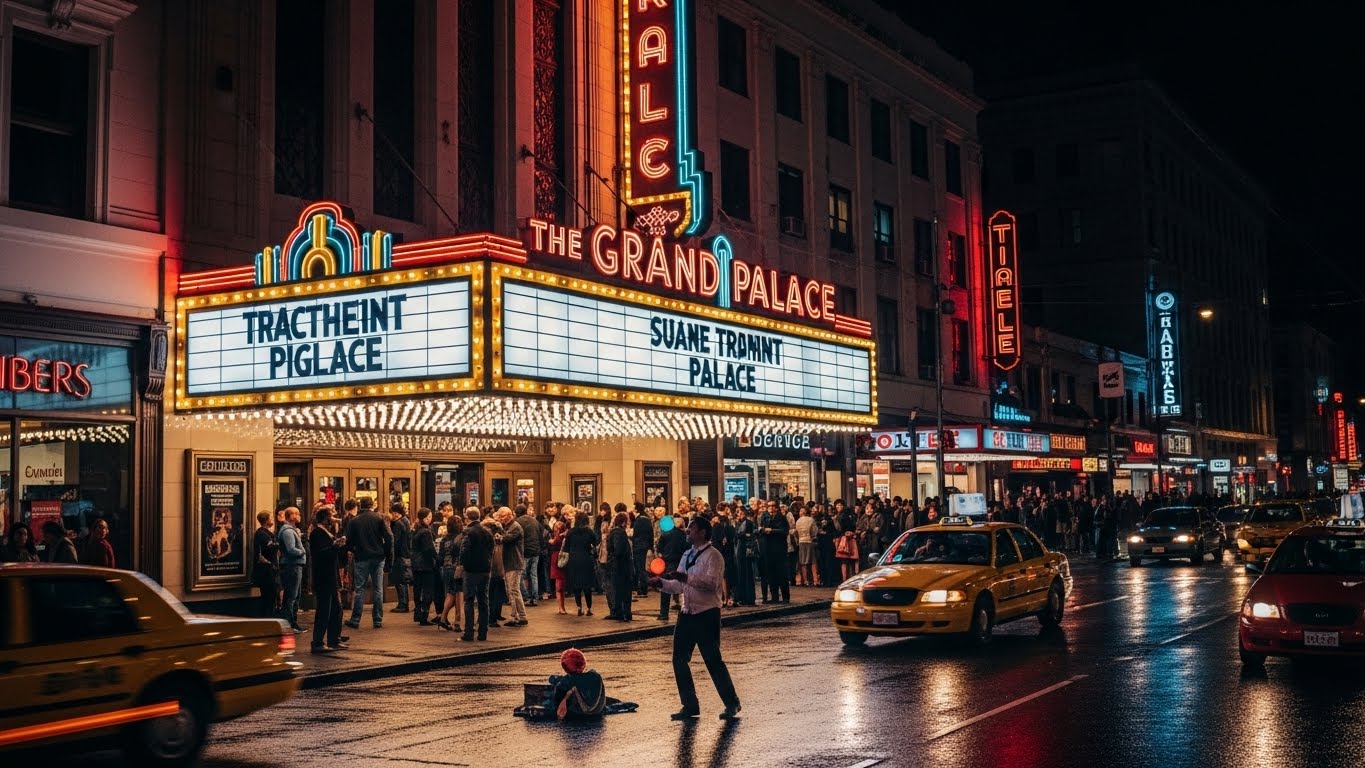
The cinema, often referred to as the silver screen, represented the pinnacle of entertainment in the early to mid-20th century. For decades, people flocked to movie theaters to witness the magic of Hollywood blockbusters, art films, and the awe-inspiring spectacle of the cinematic experience. The “Golden Age of Hollywood” in the 1930s to the 1950s brought us legendary stars like Humphrey Bogart, Marilyn Monroe, and Audrey Hepburn, while iconic directors like Alfred Hitchcock and Orson Welles redefined the art of filmmaking.
The cultural importance of cinema cannot be overstated. Movies were not just a form of entertainment; they were a reflection of societal values, struggles, and aspirations. They became a shared cultural experience, offering a window into worlds that audiences could only imagine. The launch of color films, sound, and widescreen technology in the 1950s made movie-going an even more immersive experience.
The Radio Era
Before the rise of television, radio was the main source of entertainment for millions of people around the world. The 1920s and 1930s marked the golden age of radio, with families gathered around their radios every evening to listen to news broadcasts, soap operas, and comedy shows. Shows like The Shadow, Amos ‘n’ Andy, and The Lone Ranger became national phenomenons, shaping the culture of the time.
Radio also played a crucial role in the development of popular music. Programs like American Bandstand and Top 40 helped introduce new genres of music to the masses, creating music icons like Elvis Presley, The Beatles, and Michael Jackson. The cultural significance of radio was immense, shaping public opinion and influencing popular culture long before the advent of television and the internet.
The Television Revolution
Television emerged in the 1950s and quickly overtook both cinema and radio in terms of reach and cultural impact. Shows like I Love Lucy, The Twilight Zone, and The Ed Sullivan Show became cornerstones of American culture, and TV became the primary form of entertainment for millions of households around the world. The 1960s saw the rise of the television news, with iconic broadcasts like the moon landing in 1969 and the assassination of President John F. Kennedy.
Television also transformed the way people engaged with stories. The episodic nature of TV shows created an entirely new way of storytelling, and characters like Lucy Ricardo and Walter White became icons of their time. By the 1980s and 1990s, cable television expanded the possibilities of what audiences could watch, offering niche channels that catered to every possible interest, from music (MTV) to sports (ESPN) to movies (HBO).
Television’s mass appeal, however, began to wane as new forms of media emerged in the early 2000s, largely due to the rise of the internet and digital technologies.
The Rise of Digital Entertainment: Streaming, Social Media, and the Internet
The shift from traditional entertainment to digital entertainment can be traced back to the advent of the internet. The explosion of broadband internet access in the early 2000s, combined with the increasing use of personal computers, led to significant changes in the way people consumed entertainment. This digital shift has paved the way for streaming services, social media platforms, and interactive content, all of which have transformed entertainment into a more on-demand and personalized experience.
Streaming Services: The New Dominant Force
One of the most significant developments in the entertainment industry over the last two decades has been the rise of streaming platforms. Streaming services like Netflix, Amazon Prime Video, Hulu, and Disney+ have revolutionized the way people access television shows, movies, and documentaries. By offering on-demand content that can be watched anywhere and at any time, these platforms have eliminated the need for traditional television viewing schedules and provided a more flexible way to consume content.
Netflix, which began as a DVD rental service, is perhaps the most iconic example of how streaming has reshaped entertainment. With its shift to streaming in 2007, Netflix started to challenge traditional television and movie studios by offering an expansive library of content, original programming, and the ability to binge-watch entire seasons at once. This “binge-watching” culture has become synonymous with the streaming era, changing how we engage with TV shows and movies. In fact, Netflix’s success has inspired a wave of competitors, including Amazon Prime, Disney+, and HBO Max, all of which now offer a vast range of content for audiences to enjoy.
Streaming platforms have also opened up opportunities for international content to reach global audiences. Shows like Money Heist from Spain and Squid Game from South Korea gained massive popularity thanks to streaming platforms, which offer subtitled and dubbed versions of content. This globalized form of entertainment has broken down cultural barriers and made previously niche content accessible to millions.
Social Media: Entertainment and Connectivity
The rise of social media platforms like Facebook, Twitter, Instagram, and TikTok has also significantly influenced the entertainment landscape. Social media has created a space where people not only consume entertainment but also participate in its creation and distribution. Celebrities and influencers have become powerful figures in the entertainment industry, often gaining their fame and influence through social media platforms.
Platforms like YouTube have become hubs for digital content creators, where people can watch everything from music videos to gaming live streams to DIY tutorials. The ease of access to content creation tools has allowed anyone with a camera and internet connection to create and share their own entertainment. YouTube stars like PewDiePie, Zoella, and Shane Dawson have amassed millions of followers, turning their online personas into successful businesses.
TikTok, which gained immense popularity in the late 2010s, further expanded the possibilities of entertainment, with short-form videos allowing creators to entertain and engage their audience in new and creative ways. TikTok has birthed viral challenges, trends, and music hits, allowing ordinary people to become global sensations virtually overnight.
Social media has also become a platform for real-time interaction with fans. Live streaming, a feature offered by platforms like Instagram, YouTube, and Twitch, has enabled entertainers to connect with their audience in an immediate and personal way. This has blurred the lines between traditional celebrity culture and the more accessible, democratized world of digital entertainment.
Interactive Entertainment: Video Games, VR, and AR
Alongside traditional forms of entertainment and digital streaming, interactive entertainment has risen in prominence, especially with the growth of the video game industry. Video games are no longer just for children; they have become a massive form of entertainment enjoyed by people of all ages. The gaming industry is now a multi-billion-dollar sector, with titles like Fortnite, Call of Duty, and Minecraft attracting millions of players worldwide.
What makes video games unique is their interactive nature. Players don’t just watch the story unfold—they actively participate in it. The popularity of esports, competitive gaming events, and live-streamed gameplay has further cemented the role of gaming as a major form of entertainment. Competitive gaming tournaments like The International and League of Legends World Championships draw millions of viewers, and games like Fortnite have successfully integrated live events into their gameplay.
Beyond traditional gaming, virtual reality (VR) and augmented reality (AR) have introduced entirely new dimensions to interactive entertainment. VR platforms like Oculus Rift and PlayStation VR offer immersive experiences that transport users to alternate worlds, while AR apps like Pokémon Go have combined the real world with virtual experiences, making entertainment more interactive and engaging than ever before.
The Future of Entertainment: Where Are We Heading?
The future of entertainment is an exciting, unpredictable, and ever-evolving space. As technology continues to advance, so too will the possibilities for how we experience and interact with content. Several key trends are expected to shape the future of entertainment.
The Rise of AI and Personalized Content
Artificial intelligence (AI) is already having a significant impact on the entertainment industry, especially when it comes to content recommendation and personalization. Streaming platforms like Netflix and Spotify use AI algorithms to suggest shows, movies, and music based on user preferences and viewing habits. In the future, AI could play an even larger role in content creation, helping to develop personalized entertainment experiences tailored specifically to individual tastes.