Entertainment Trends That Will Dominate 2025
The entertainment industry is in a state of constant evolution. From shifts in consumer behavior to advancements in technology, the way audiences consume content continues to change at an unprecedented pace. As 2025 approaches, several emerging trends are poised to redefine the landscape of movies, music, gaming, streaming, and live experiences. These trends not only reflect the growing influence of digital platforms but also highlight the increasing demand for personalization, interactivity, and immersive experiences. In this blog, we explore the entertainment trends that are set to dominate 2025 and shape the way audiences engage with content.
The Rise of Interactive Storytelling
One of the most significant trends in entertainment is the growing popularity of interactive storytelling. Unlike traditional passive forms of entertainment, interactive storytelling allows audiences to influence the narrative and make decisions that impact outcomes. Video games have long embraced this approach, but now streaming platforms and content creators are adopting similar techniques for movies and series. Interactive films, choose-your-own-adventure narratives, and immersive web series are expected to become mainstream in 2025.
Advancements in AI and machine learning are further enhancing interactive storytelling. AI algorithms can tailor narratives based on viewer choices, making each experience unique. This trend also extends to virtual reality (VR) and augmented reality (AR), where users can explore narratives from multiple perspectives. By 2025, interactive storytelling will likely become a standard expectation rather than a novelty, transforming how audiences connect with characters and plots.
The Dominance of Streaming Platforms
Streaming services have revolutionized entertainment over the past decade, and their influence is only set to grow in 2025. While platforms like Netflix, Disney+, and Amazon Prime Video already dominate the market, the next wave of streaming will focus on niche content, personalized recommendations, and global accessibility. Smaller platforms targeting specific genres, cultures, or demographics are likely to gain prominence.
Moreover, streaming services are investing heavily in original content to differentiate themselves. This includes not only movies and series but also documentaries, live events, and exclusive music performances. The integration of AI-driven recommendation engines will further enhance viewer engagement, ensuring that audiences receive content that aligns with their preferences. By 2025, streaming platforms will be more than just delivery channels—they will serve as interactive hubs for entertainment, community engagement, and immersive experiences.
Virtual Reality and Augmented Reality Entertainment
VR and AR technologies are poised to redefine the entertainment landscape in 2025. Beyond gaming, these technologies are being integrated into concerts, theater productions, and cinematic experiences. Virtual reality concerts allow fans to attend live performances from the comfort of their homes while feeling fully immersed in the event. Similarly, AR applications enable audiences to interact with digital elements overlaid onto the real world, transforming traditional forms of storytelling and engagement.
The combination of VR and AR with AI will also create personalized entertainment experiences. Imagine attending a live concert where virtual effects respond to your reactions or exploring a cinematic world where the environment changes based on your choices. As hardware becomes more affordable and user-friendly, VR and AR entertainment will move from niche adoption to mainstream consumption.
Short-Form Content and Micro-Entertainment
The rise of short-form content is a trend that shows no signs of slowing down. Platforms like TikTok, Instagram Reels, and YouTube Shorts have demonstrated the appetite for quick, engaging, and easily digestible content. In 2025, micro-entertainment will continue to dominate, with creators producing highly targeted videos that cater to specific niches and trends.
Brands and content creators are also leveraging micro-entertainment to connect with younger audiences. Interactive polls, bite-sized storytelling, and ephemeral content are increasingly popular, providing instant gratification in a fast-paced digital world. The success of short-form content emphasizes the importance of creativity, authenticity, and immediacy in capturing audience attention.
AI-Generated Content and Virtual Influencers
Artificial intelligence is set to play an even more prominent role in content creation by 2025. AI-generated music, scripts, visuals, and even entire virtual performances are becoming increasingly sophisticated. This technology allows creators to experiment with new forms of storytelling, reduce production costs, and accelerate content development timelines.
Alongside AI-generated content, virtual influencers and digital celebrities are gaining traction. These computer-generated personalities engage with audiences on social media, perform in virtual concerts, and even collaborate with brands. By 2025, the line between human and virtual performers may blur, creating new opportunities and challenges in the entertainment industry.
The Return of Experiential Entertainment
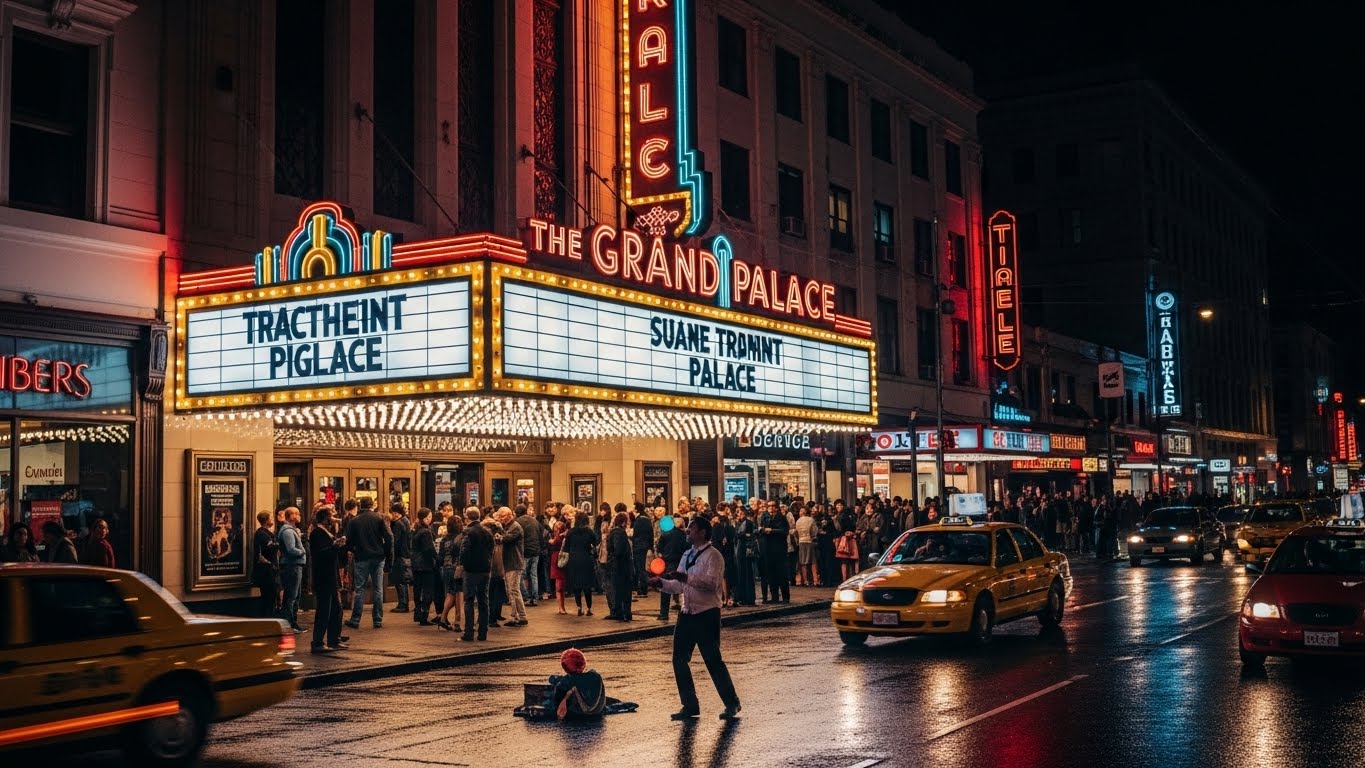
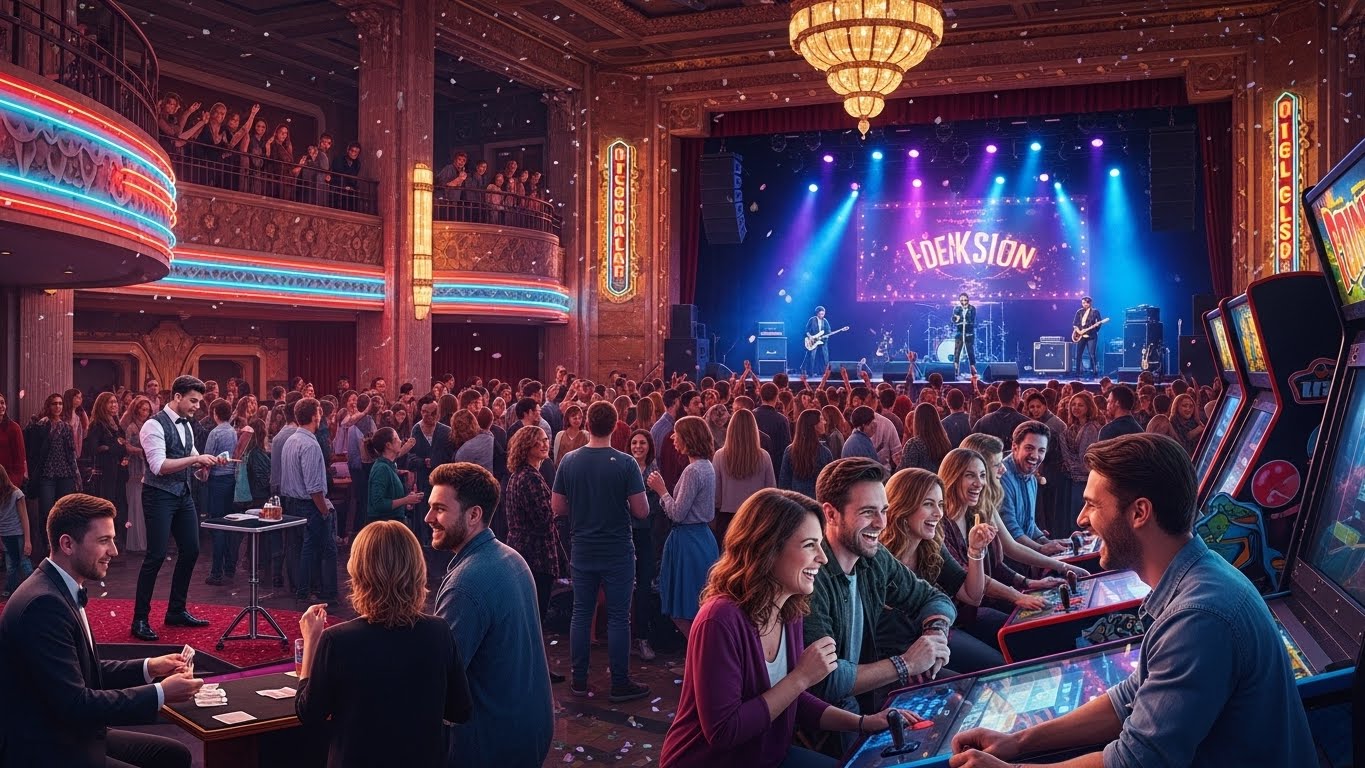
While digital entertainment continues to expand, there is a simultaneous resurgence in demand for real-world experiences. Live concerts, immersive theater, interactive exhibitions, and pop-up events are becoming increasingly popular. Audiences crave experiences that cannot be replicated online, emphasizing the importance of sensory engagement, social connection, and exclusivity.
Event organizers are blending physical and digital elements to create hybrid experiences. For instance, attendees can enjoy a live concert in person while participating in AR-enhanced visuals or VR interactions from home. This hybrid approach ensures that entertainment remains inclusive while enhancing the sense of immersion and participation.
Sustainability and Ethical Entertainment
By 2025, sustainability and ethical considerations are expected to influence entertainment production and consumption. Audiences are increasingly conscious of environmental impact, labor practices, and cultural sensitivity. Studios, streaming platforms, and creators are responding by adopting eco-friendly production methods, promoting diverse representation, and supporting socially responsible narratives.
Sustainable entertainment practices include energy-efficient filming, reducing waste in live events, and embracing digital alternatives when possible. Ethical storytelling involves avoiding harmful stereotypes, promoting inclusivity, and ensuring fair treatment of all contributors. These trends reflect a growing awareness that entertainment is not just about content—it is also about values and responsibility.
Globalization of Content
The globalization of entertainment is a trend that shows no signs of slowing down. Audiences now have access to content from every corner of the world, and local productions are gaining international acclaim. Korean dramas, Indian cinema, Latin American music, and African storytelling are capturing global attention, creating a more diverse and inclusive entertainment ecosystem.
Streaming platforms are facilitating this trend by providing subtitles, dubbing, and region-specific recommendations. As cultural exchange continues to grow, 2025 will likely see a richer blend of global narratives, breaking down barriers and expanding creative possibilities.
Gaming as Mainstream Entertainment
Gaming has evolved from a niche hobby into a dominant form of entertainment. By 2025, gaming will continue to expand its influence through competitive esports, interactive storytelling, and cross-platform integration. Cloud gaming and mobile platforms are making high-quality gaming accessible to a wider audience, while social gaming features foster community engagement and shared experiences.
Moreover, the convergence of gaming with other entertainment sectors is blurring traditional boundaries. Movies, TV series, and music are increasingly incorporating gaming elements, while games often feature cinematic narratives, licensed music, and interactive social spaces. Gaming is no longer just a pastime—it is a cultural phenomenon and a central pillar of the entertainment industry.
Personalized and On-Demand Experiences
Personalization will be a key trend in 2025, driven by data analytics and AI. Audiences expect content tailored to their preferences, whether it is recommendations for shows, curated music playlists, or interactive experiences that adapt to user behavior. Streaming platforms, gaming services, and social media are leveraging user data to create bespoke entertainment experiences.
On-demand access will also continue to shape audience expectations. The ability to consume content anytime, anywhere, and across multiple devices has become a standard. This trend emphasizes convenience, control, and flexibility, ensuring that audiences can engage with entertainment in ways that suit their lifestyle and preferences.
Nostalgia and Retro Revivals
Nostalgia remains a powerful force in entertainment. Classic franchises, retro music, and vintage-inspired fashion are enjoying renewed popularity. Studios and creators are tapping into this sentiment by rebooting beloved series, producing sequels, and celebrating iconic cultural moments. Nostalgia-driven content resonates because it evokes emotional connections and shared memories, appealing to both longtime fans and new audiences.
In 2025, this trend will likely expand beyond traditional media to immersive experiences, merchandise, and interactive storytelling. Audiences are drawn to familiar worlds reimagined with modern technology, creating a bridge between the past and the future of entertainment.
Mental Health and Wellness Integration
Entertainment is increasingly recognizing the importance of mental health and wellness. Streaming platforms, game developers, and event organizers are designing content that promotes mindfulness, relaxation, and emotional well-being. Interactive apps, immersive experiences, and gamified wellness programs are gaining popularity, allowing audiences to engage in entertainment that is both enjoyable and beneficial.
This trend reflects a broader societal shift toward prioritizing self-care and mental health. By integrating wellness into entertainment, creators are redefining the role of media as a source of not only enjoyment but also personal growth and emotional support.
Conclusion: A Transformative Era for Entertainment
The entertainment industry in 2025 is poised for transformative growth. Interactive storytelling, AI-driven content, VR and AR experiences, micro-entertainment, and globalized narratives are shaping a dynamic and diverse ecosystem. At the same time, trends such as sustainability, nostalgia, wellness integration, and live experiential events highlight the evolving values and expectations of audiences.
As technology continues to advance and audiences demand more personalized and immersive experiences, the line between creator and consumer, virtual and real, and local and global will continue to blur. The entertainment industry is not just adapting to change—it is leading it, creating innovative experiences that redefine how we engage with stories, music, games, and live events.
By 2025, entertainment will be more interactive, inclusive, and immersive than ever before. It will be a reflection of cultural shifts, technological advancements, and the human desire for connection, creativity, and wonder. Audiences can look forward to a future where entertainment is not only consumed but experienced, shaped by their choices, and enriched by endless possibilities.