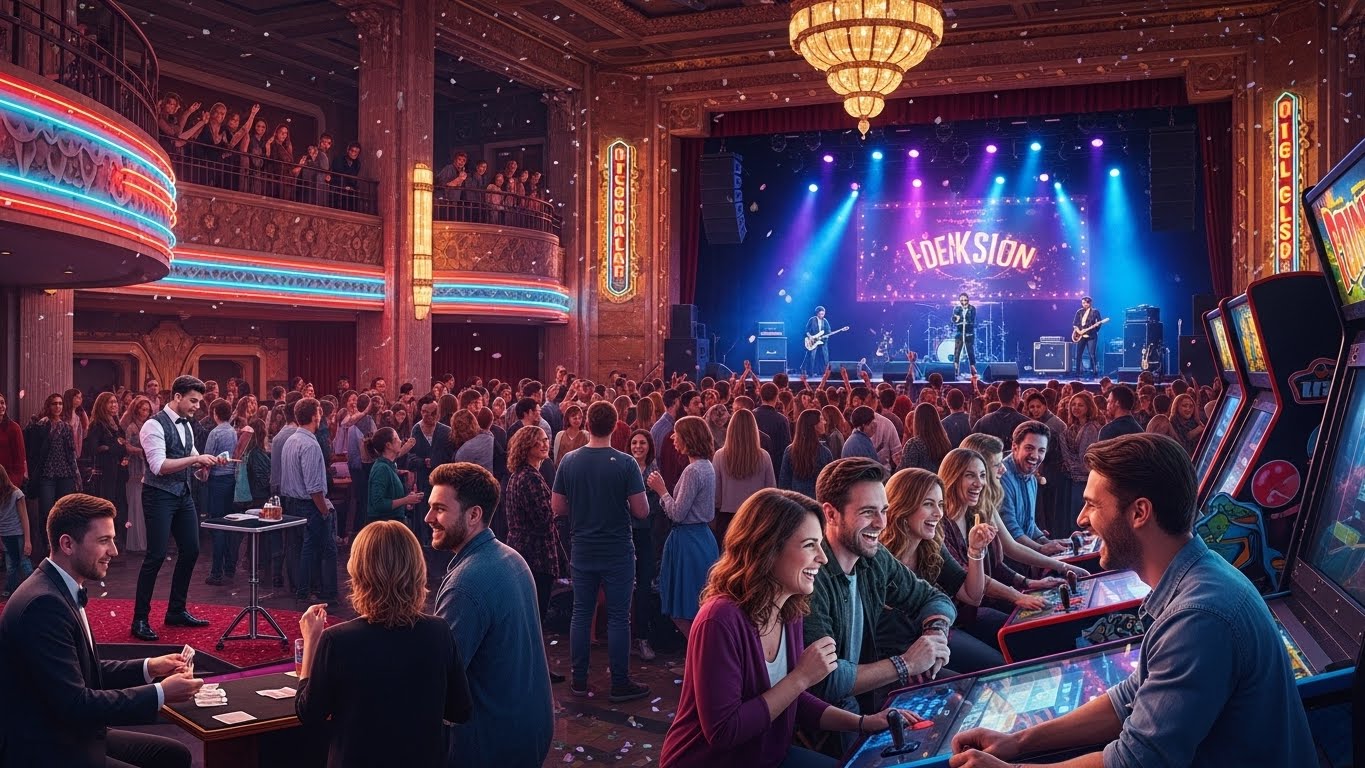
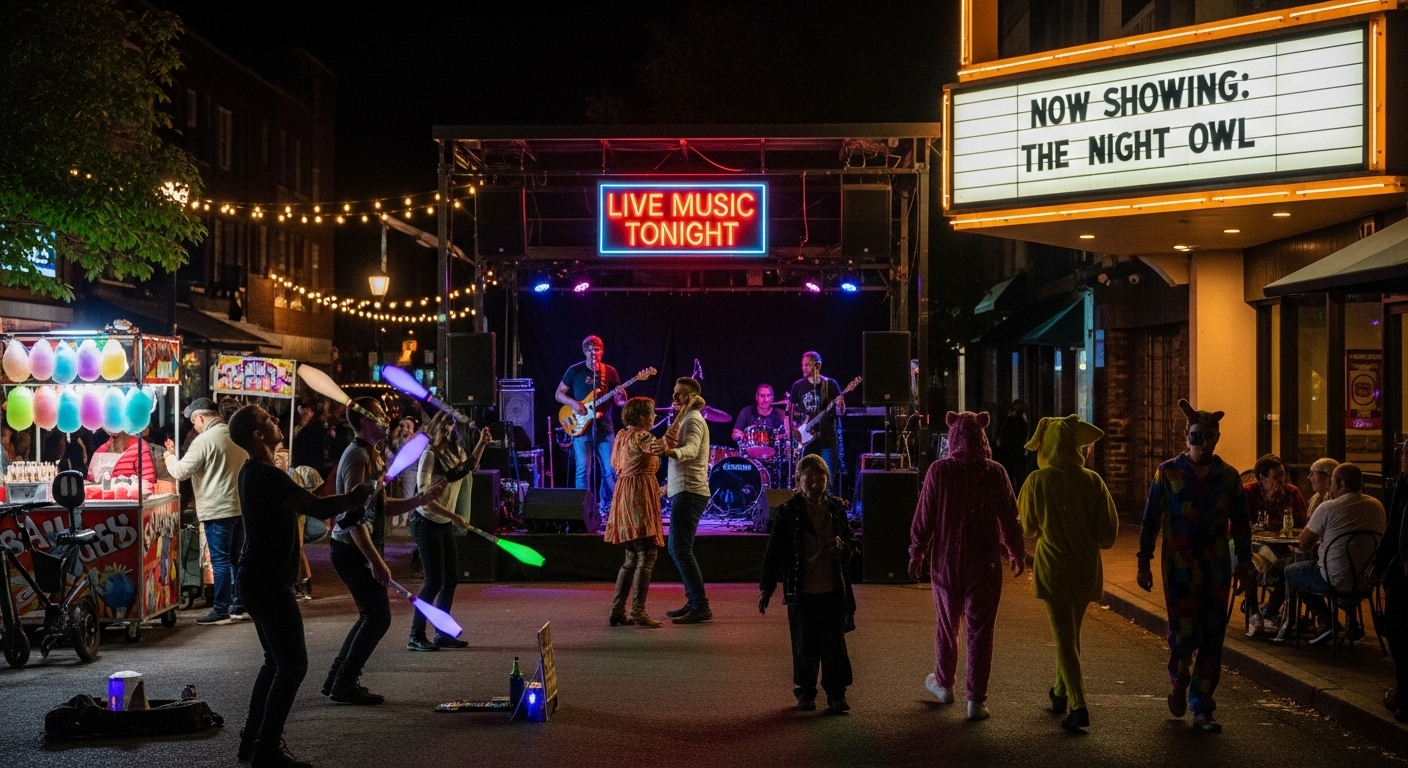
Entertainment is an integral part of our daily lives, offering a way to escape, relax, and connect. Over the years, it has evolved from live performances and traditional media to the digital experiences we know today. This transformation has not only changed how we consume entertainment but also how it shapes culture, brings people together, and creates new forms of interaction. In this blog post, we explore the evolution of entertainment, the impact of technology, and the ways in which we engage with it in the modern world.
The Roots of Entertainment: Live Performances and Traditional Media
In the past, entertainment was a communal experience. People gathered in theaters to watch live performances, in concert halls to hear music, or around the radio for broadcasts. The roots of entertainment are deeply tied to human connection and the shared experience of watching or listening to a performance.
Live theater, for example, has been a form of entertainment for thousands of years. From ancient Greek dramas to Shakespearean plays in Elizabethan England, the art of live performance was central to cultural life. Music also played a significant role, with live concerts, operas, and symphonies offering entertainment and artistic expression for audiences.
The 20th century brought significant change to entertainment. The invention of film and television created new forms of passive entertainment that could reach a broader audience. Movies, from the golden age of Hollywood to the rise of blockbusters, captivated millions, while television offered daily shows, news, and movies to viewers at home.
Radio, too, became an essential part of entertainment. Families would gather around the radio to listen to live shows, music, and news broadcasts, creating a sense of community even in private homes. These early forms of entertainment laid the foundation for the vast media landscape we have today.
The Digital Revolution: Streaming and On-Demand Entertainment
As technology advanced, so did the way we consume entertainment. The rise of the internet and digital media changed the landscape entirely. With the advent of streaming services, on-demand entertainment became a reality. Gone were the days of waiting for a particular time to watch a show on TV. Now, we can watch our favorite movies, shows, and music whenever and wherever we want.
Streaming services like Netflix, Hulu, Amazon Prime Video, and Disney+ revolutionized how we watch television. With a click of a button, we can access a vast library of content, from classic movies to the latest original series. The ability to binge-watch entire seasons has redefined how we engage with TV shows, offering a more immersive experience than ever before.
Similarly, the music industry shifted dramatically with streaming platforms like Spotify, Apple Music, and YouTube. No longer bound by physical albums or limited radio stations, music lovers can access millions of songs at their fingertips. Personalized playlists and music recommendations have made discovering new artists and genres easier than ever.
The shift to digital entertainment has not only transformed how we watch and listen to content but also how we interact with it. Social media platforms like Instagram, Twitter, and TikTok allow fans to connect directly with creators, musicians, and influencers. This level of interaction has transformed entertainment from a one-way experience to a two-way conversation, where fans become active participants in shaping the entertainment landscape.
The Rise of Interactive Entertainment: Gaming and Esports
One of the most exciting developments in modern entertainment is the rise of video games and esports. Gaming has evolved from a niche hobby to a mainstream form of entertainment enjoyed by millions around the world. With the rise of mobile gaming, console gaming, and PC gaming, players can immerse themselves in virtual worlds, competing with others in highly engaging and interactive experiences.
Esports, or competitive gaming, has exploded in popularity in recent years. What started as casual competitions between friends has transformed into a multi-billion-dollar industry, with professional gamers, teams, and tournaments attracting millions of viewers. Games like League of Legends, Dota 2, Fortnite, and Call of Duty have created massive communities of fans, while streaming platforms like Twitch allow viewers to watch their favorite players and teams in real-time.
The growth of esports has not only created new forms of entertainment but also new career paths. Professional gamers can now make a living through sponsorships, tournament winnings, and streaming. Coaches, analysts, and event organizers are also part of the growing esports ecosystem. Esports has become a full-fledged industry that continues to expand, with major companies and sports organizations investing in it.
Gaming has also evolved into a social experience, with multiplayer games allowing players to connect with friends or strangers around the world. From co-op games to competitive online matches, gaming has become a way for people to interact, collaborate, and compete, all while having fun. The lines between traditional sports and esports continue to blur, with major sports organizations like the NBA and NFL investing in esports teams and leagues.
The Impact of Technology: Virtual and Augmented Reality
As technology continues to advance, new forms of entertainment are emerging. Virtual reality (VR) and augmented reality (AR) are pushing the boundaries of what is possible in entertainment, creating fully immersive experiences for users. VR allows users to step into virtual worlds, experiencing games, movies, and even concerts in ways that were once unimaginable. The ability to look around, move, and interact with the environment in VR is transforming how we engage with digital content.
AR, on the other hand, enhances the real world with digital elements. Apps like Pokémon GO and AR filters on social media have shown the potential of AR in entertainment, allowing users to interact with digital objects overlaid onto their physical surroundings. As AR technology improves, we can expect even more interactive and personalized entertainment experiences.
Both VR and AR have the potential to revolutionize not just gaming but also other forms of entertainment, including movies, concerts, and theme parks. Imagine attending a live concert in VR, where you can watch from the front row no matter where you are in the world, or watching a movie where you’re part of the action, able to explore the environment and interact with the characters.
The Future of Entertainment: Personalization and Immersive Experiences
Looking ahead, the future of entertainment promises even more exciting possibilities. With advancements in artificial intelligence (AI), machine learning, and data analytics, entertainment will become even more personalized. Streaming services already offer recommendations based on our viewing and listening habits, but as technology improves, we may see even more tailored experiences, where content is dynamically adjusted to suit our preferences.
The rise of immersive technologies like VR and AR will continue to expand the ways we interact with content. In the future, entertainment could involve entirely new ways of storytelling, where we don’t just watch or listen but participate and influence the narrative. Interactive movies, virtual theme parks, and fully immersive gaming worlds could become the norm.
Furthermore, the integration of AI into entertainment is likely to create even more personalized and dynamic content. AI-powered entertainment could generate personalized music playlists, TV shows, or even video games based on our preferences, interests, and emotions.
Conclusion: Entertainment in an Ever-Connected World
The world of entertainment has changed dramatically over the years, driven by advancements in technology and the desire for more personalized, interactive experiences. From traditional forms like theater and radio to the rise of streaming services, video games, and immersive technologies, entertainment has continuously adapted to meet the needs and desires of audiences.
As technology continues to evolve, so too will the ways in which we experience and interact with entertainment. The future holds endless possibilities, from fully immersive VR worlds to AI-generated content. What remains constant, however, is the power of entertainment to bring people together, inspire creativity, and offer a sense of escape and joy.
In a world that is increasingly interconnected, entertainment will continue to evolve, shaping culture, fostering community, and providing new ways for people to experience the world around them. Whether through the latest streaming show, a competitive esports tournament, or an interactive VR experience, the entertainment of tomorrow is bound to be more exciting, immersive, and personalized than ever before.