Entertainment in the Digital Age: Redefining Fun and Connection
Entertainment has always been an integral part of human life, providing an escape from the mundane and an opportunity for joy, creativity, and connection. However, as we journey deeper into the digital age, the nature of entertainment has transformed drastically. Today, entertainment is more accessible, interactive, and personalized than ever before, reshaping the way we consume content and how it affects our daily lives. In this post, we’ll explore how entertainment has evolved over time and what the future holds for this ever-changing industry.
The Golden Age of Traditional Entertainment
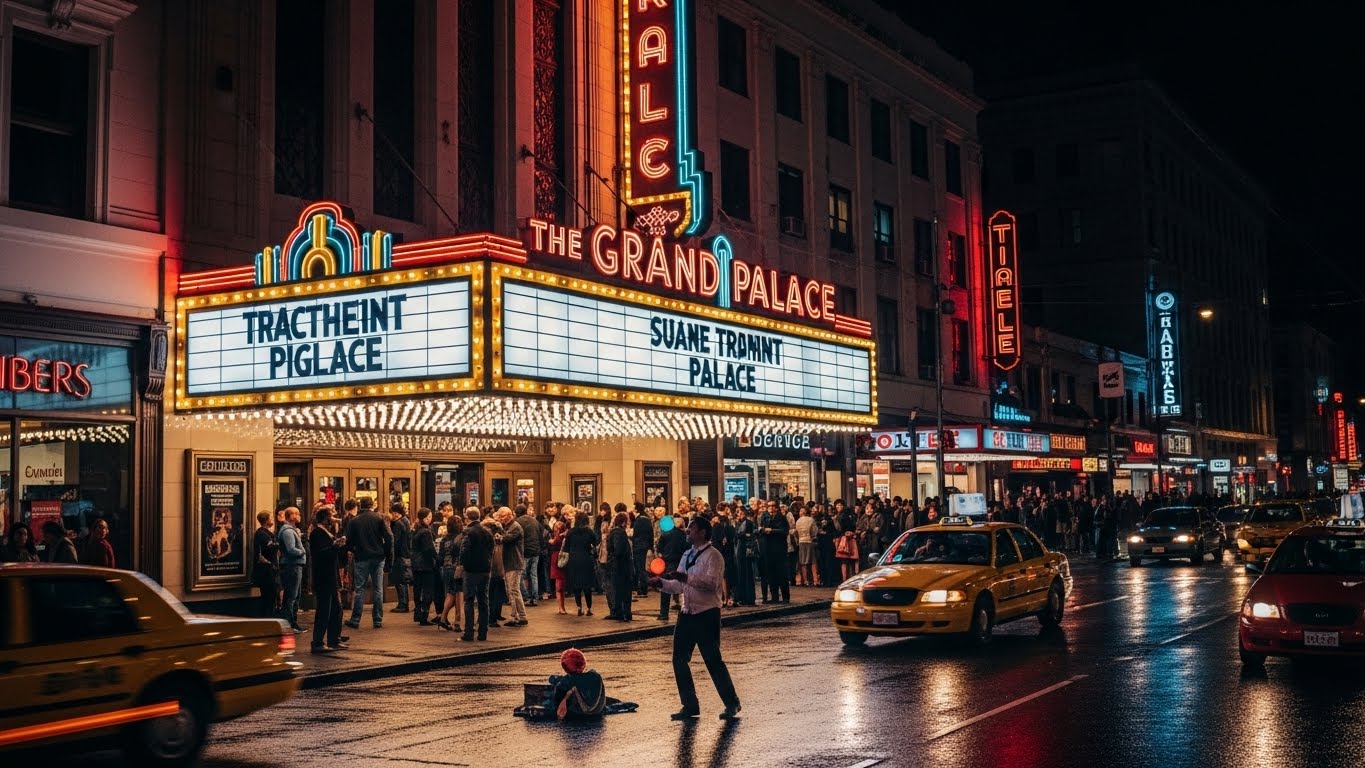
Before the advent of digital technology, traditional forms of entertainment ruled the world. People relied on physical gatherings, such as concerts, theater performances, and public speeches, to fulfill their need for leisure and joy. The film industry was a cornerstone of popular culture, and television became the heart of family entertainment during the 20th century. The appeal of these forms of entertainment lay in their communal nature—people gathered in theaters or living rooms, sharing the experience with others.
Cinema and television in particular thrived in an era when access to content was controlled. People scheduled their day around TV show times, waited for the next episode of their favorite series, or headed to the local theater for a weekend movie. This form of entertainment was centralized, with a few major players controlling what was made and what people could watch.
The Digital Revolution: A New Era of Accessibility
With the rise of the internet, everything changed. Digital technology completely disrupted traditional forms of entertainment. The world wide web unlocked new ways to access content, making it easier for individuals to enjoy movies, music, news, and more, all from the comfort of their own homes. The first wave of change came with the shift from physical media like VHS tapes and CDs to digital formats, followed by the explosion of online streaming services.
Platforms like YouTube, Netflix, Spotify, and Amazon Prime revolutionized how we consume entertainment. People no longer had to wait for a show to air or travel to a movie theater to watch the latest blockbuster. Now, viewers could access an endless library of content at their fingertips. This marked a major shift toward on-demand entertainment, giving consumers the power to choose when and how they enjoyed their favorite shows, movies, and music.
Interactive Entertainment: From Passive to Active Engagement
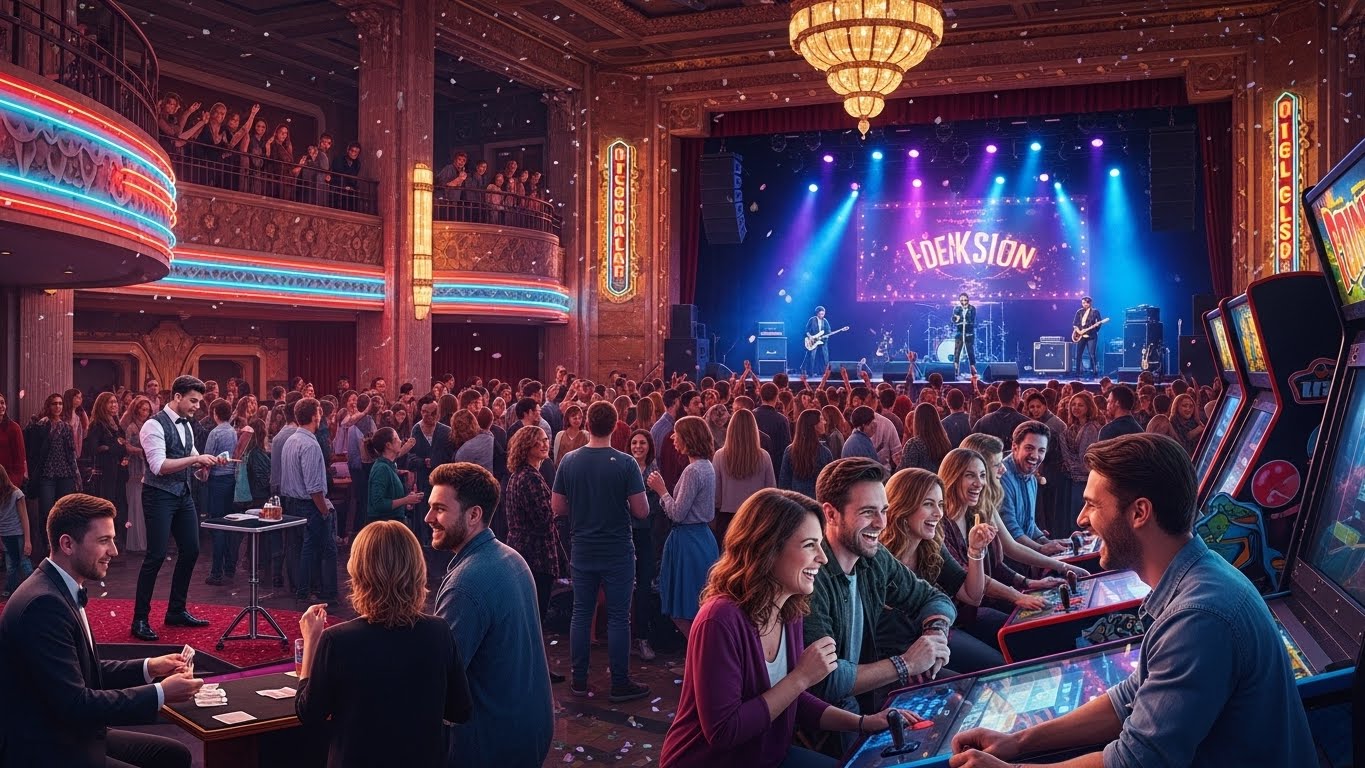
One of the most significant changes in the entertainment landscape has been the rise of interactive experiences. In the past, entertainment was a mostly passive activity—viewers would sit back, relax, and let the content unfold. However, the digital age has introduced an entirely new form of engagement where the audience is not just a passive observer, but an active participant.
Video games are the most obvious example of interactive entertainment. Gaming has grown from a niche hobby into a global industry, offering everything from casual mobile games to massive multiplayer online experiences. Virtual reality (VR) and augmented reality (AR) are now pushing the boundaries of interactive entertainment, allowing players to step into fully immersive digital worlds. These technologies are transforming how people experience gaming, making it a more sensory and emotionally engaging activity than ever before.
Similarly, the rise of social media platforms like TikTok, Instagram, and YouTube has allowed people to create and share their own content. These platforms empower individuals to engage with entertainment not just as consumers, but as creators. This shift has given rise to new forms of entertainment that are user-generated, where anyone can make viral content that reaches millions of people around the world.
Personalization: The Age of Tailored Content
In the traditional entertainment model, content was often broad and aimed at mass audiences. Today, however, the rise of algorithms and data-driven platforms has enabled entertainment to become increasingly personalized. Streaming services like Netflix and Spotify use sophisticated algorithms to analyze your viewing or listening habits, offering tailored recommendations based on your preferences. This level of personalization has fundamentally changed how we discover new content.
Instead of passively consuming whatever was available, users now enjoy a highly curated experience that feels unique to them. The result is a more individualized and satisfying experience, but it also raises questions about echo chambers and the narrowing of exposure to new and diverse ideas. Nonetheless, the ability to find content that matches personal tastes is a powerful driver in the digital entertainment age.
The Globalization of Entertainment: Beyond Borders
Entertainment today is more global than ever before. Thanks to the internet, what was once region-specific is now available to anyone with an internet connection. International films, television shows, and music are no longer confined to their native countries. The success of shows like Money Heist from Spain or Squid Game from South Korea has proven that entertainment can transcend cultural and linguistic barriers.
Globalization has also changed the way entertainment is produced. The world has become a collaborative space, where creators from different parts of the world can work together, share ideas, and produce content that appeals to diverse audiences. As streaming platforms like Netflix and Disney+ continue to dominate the entertainment industry, we can expect an even greater flow of content across borders, providing audiences with more diverse and inclusive entertainment options.
The Rise of E-Sports and Livestreaming
Another fascinating development in entertainment is the rise of e-sports and livestreaming. What was once considered a niche pastime has exploded into a billion-dollar industry, with professional gamers competing in tournaments watched by millions of viewers around the globe. E-sports has garnered mainstream attention, with titles like League of Legends, Dota 2, and Fortnite becoming cultural phenomena.
Livestreaming, on platforms like Twitch and YouTube, has become an integral part of modern entertainment. Gamers, musicians, influencers, and everyday people now share their lives with audiences in real-time. This level of interaction between creators and viewers has made entertainment more participatory and community-driven. Fans can communicate directly with their favorite streamers, ask questions, and even influence the content in real-time.
The Future of Entertainment: What’s Next?
As we look to the future, it’s clear that the entertainment landscape will continue to evolve in exciting and unpredictable ways. Technologies like virtual reality, artificial intelligence, and 5G will allow for even more immersive and interactive experiences. The rise of the metaverse—the interconnected virtual worlds where people can work, play, and socialize—presents a whole new frontier for entertainment.
As AI continues to advance, we may see the emergence of personalized, algorithm-driven content that adapts not only to our preferences but also our emotions and real-time reactions. This could lead to hyper-personalized storytelling experiences, where the content shifts based on how you feel or what you enjoy.
Additionally, the ongoing globalization of entertainment will likely lead to more cross-cultural collaborations and a greater blending of entertainment traditions from around the world. With social media continuing to dominate as a primary mode of content distribution, we may see even more decentralized entertainment ecosystems, where the power shifts from traditional studios and networks to individual creators and communities.
Conclusion: Entertainment as an Ever-Expanding Universe
Entertainment in the digital age is a far cry from its traditional roots, shaped by technological advancements and a changing cultural landscape. From passive viewing to interactive participation, from localized experiences to global phenomena, the ways in which we consume entertainment have undergone dramatic changes. The future promises even more innovation and interactivity, with immersive experiences and global connectivity shaping the next generation of entertainment.
In this dynamic and fast-evolving world, one thing remains certain: entertainment will continue to serve as both a reflection of society and a source of joy, creativity, and connection for generations to come.