Entertainment: The Heartbeat of Human Expression
Introduction
Entertainment is more than just amusement; it is the rhythm of human life. From the moment people began telling stories around fires to today’s digital streaming platforms, entertainment has been the bridge that connects imagination with emotion. It reflects who we are, what we value, and how we see the world. In every culture and generation, entertainment has evolved, yet its essence remains the same — to make people feel, think, and dream. Whether it comes through music, movies, games, or performances, entertainment is a universal language that touches every soul.
The Roots of Entertainment
The story of entertainment begins long before screens and sound systems. In ancient times, people found joy and meaning in storytelling, dance, and song. Around campfires, elders told tales of gods and heroes, passing down wisdom through myths. Ritual dances celebrated harvests, victories, and seasons. These early forms of entertainment were not just about pleasure; they were deeply spiritual and communal. They taught lessons, strengthened bonds, and gave people a sense of belonging. Art, performance, and storytelling became essential tools for survival and identity. What started as ritual soon grew into an art form that celebrated human creativity.
The Rise of Theatres and Performance Art
As civilizations developed, entertainment became more organized and artistic. In ancient Greece, the invention of theatre transformed how people experienced stories. Dramas, comedies, and tragedies were performed in grand amphitheaters, with actors wearing masks to represent different characters. These performances were not just for fun; they explored human nature, morality, and fate. The Romans took theatre further by introducing elaborate stage designs and even gladiatorial games for mass entertainment.
Meanwhile, in Asia, entertainment flourished through traditional dance, music, and puppetry. In India, classical dance forms like Bharatanatyam and Kathak told spiritual stories through graceful movements. In China and Japan, opera and kabuki theatre became beloved traditions that combined drama, music, and art. These performances were windows into culture, carrying centuries of heritage within their gestures and melodies.
The Magic of Music
Music is perhaps the purest form of entertainment because it speaks directly to emotion. From the gentle beat of tribal drums to the grand symphonies of Beethoven, music has always had the power to move hearts. It transcends language, culture, and time. A melody can bring joy, sorrow, or nostalgia in ways that words cannot. As societies evolved, music became an art of both expression and innovation.
In the 20th century, the world witnessed an explosion of musical styles — jazz, rock, pop, and hip-hop each reshaped culture and inspired generations. Radio and records made music accessible to everyone, turning artists into global icons. Today, digital platforms and streaming services have made music a universal companion. Yet, no matter how technology changes, the essence of music remains the same: it is a voice for emotion, freedom, and creativity.
The Birth of Cinema
The invention of cinema in the late 19th century marked a turning point in entertainment history. Moving images brought stories to life in ways never seen before. The earliest films were simple, but they sparked a revolution. When sound and color entered the screen, cinema became an art that could engage all senses.
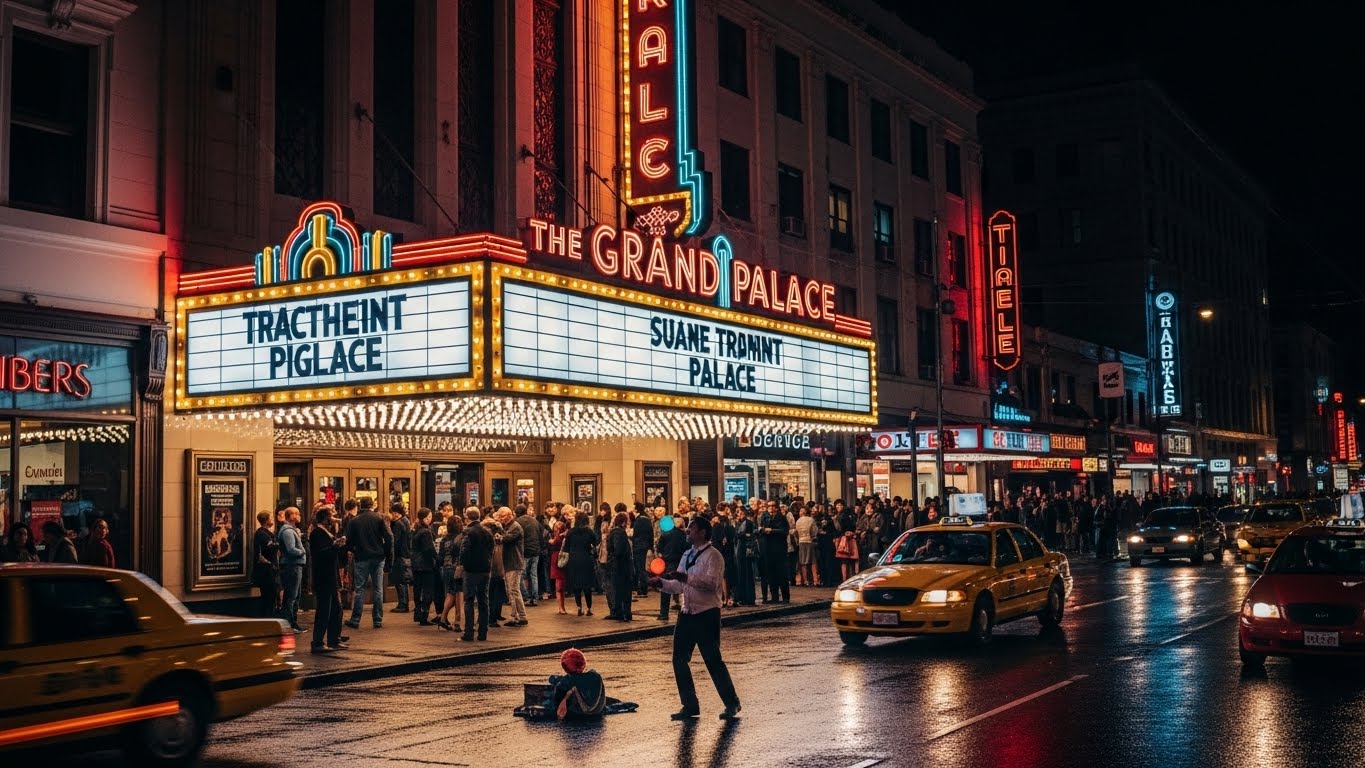
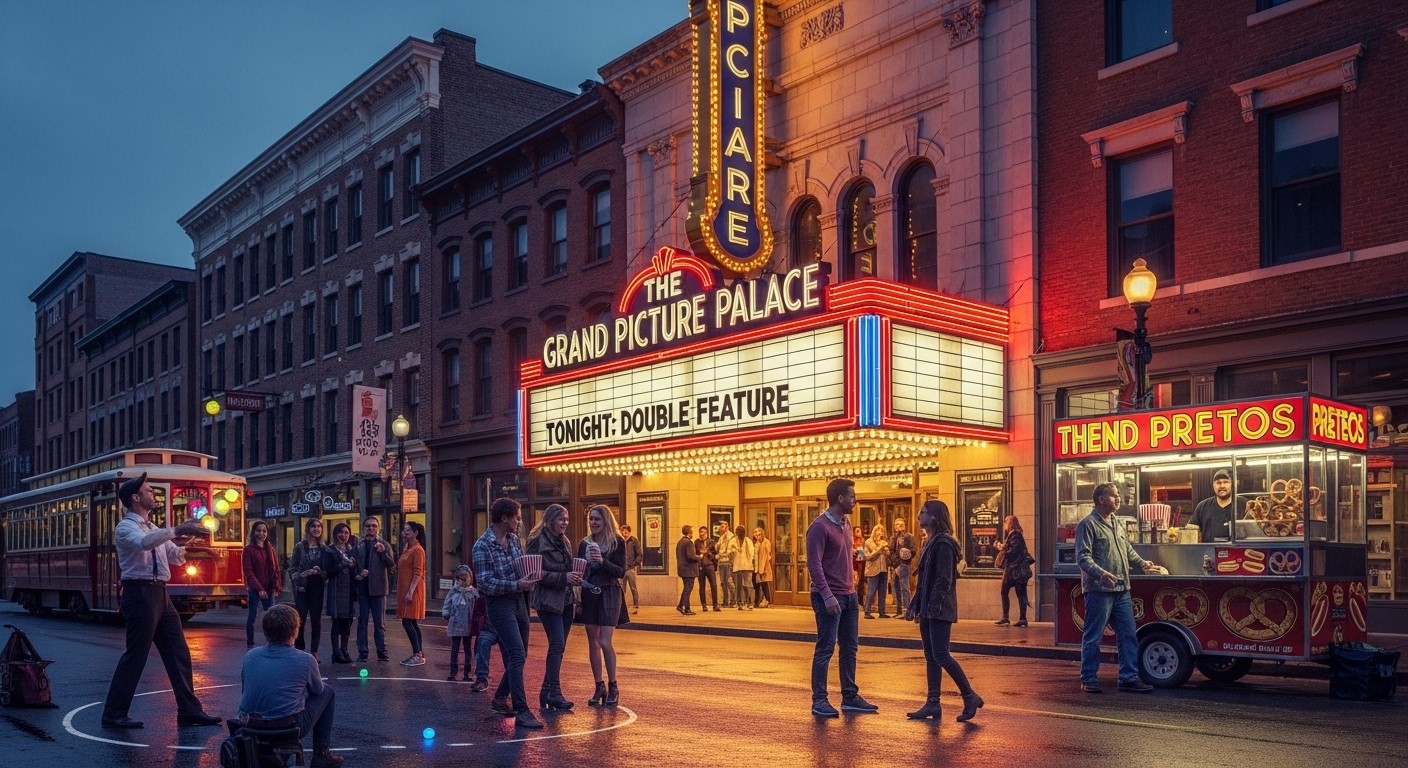
The golden age of Hollywood in the mid-20th century gave the world legendary actors, breathtaking stories, and unforgettable music. Films became more than just pictures; they became experiences that reflected dreams, struggles, and desires. People went to the cinema not only to be entertained but to escape, to imagine, and to feel part of something greater. Movies united cultures and created shared memories that continue to shape generations.
The Television Era
The arrival of television changed the way people consumed entertainment. For the first time, shows, news, and stories could be brought directly into homes. Families gathered around the television set each evening to watch their favorite programs. It created a new form of shared experience, one that blended information, humor, and drama.
Television also transformed celebrity culture. Actors and anchors became familiar faces, shaping public opinion and fashion trends. Game shows, sitcoms, and live broadcasts kept audiences engaged daily. With every passing decade, television adapted, expanding its reach with cable, satellite, and eventually digital technology. It became a constant companion, reflecting the changing values and aspirations of society.
The Digital Revolution and Streaming Age
The internet brought an entertainment revolution unlike any before it. No longer limited to theaters or scheduled programming, audiences could now choose what to watch, when to watch, and where to watch. Streaming platforms transformed the viewing experience by giving people control. Entire series could be watched in a single night, leading to the rise of binge culture.
This new era also gave birth to diverse storytelling. Independent creators could now reach global audiences without relying on big studios. Foreign films and shows gained international recognition, breaking cultural barriers. The digital age democratized entertainment, making it accessible to anyone with a smartphone or computer. It turned the world into one giant stage.
The Power of Social Media Entertainment
Social media has changed the very definition of entertainment. Platforms that were once meant for communication have become centers of creativity and fame. Short videos, skits, dances, and challenges now dominate online spaces. Ordinary people can become stars overnight through viral content. Entertainment is no longer only about professional productions; it is about authenticity, relatability, and connection.
Social media allows everyone to be both audience and performer. It celebrates creativity in everyday life, from humor and fashion to art and education. While it offers immense opportunities, it also creates challenges — constant competition for attention, fleeting trends, and the pressure to stay relevant. Yet, it remains one of the most powerful forms of modern entertainment, driven entirely by the people.
Gaming: The New Frontier of Fun
Video games have evolved from simple arcade machines into complex digital worlds where players can explore, compete, and create. Gaming is now one of the most influential industries in entertainment, blending art, technology, and storytelling. Modern games offer cinematic experiences, moral choices, and immersive worlds that rival films in depth and creativity.
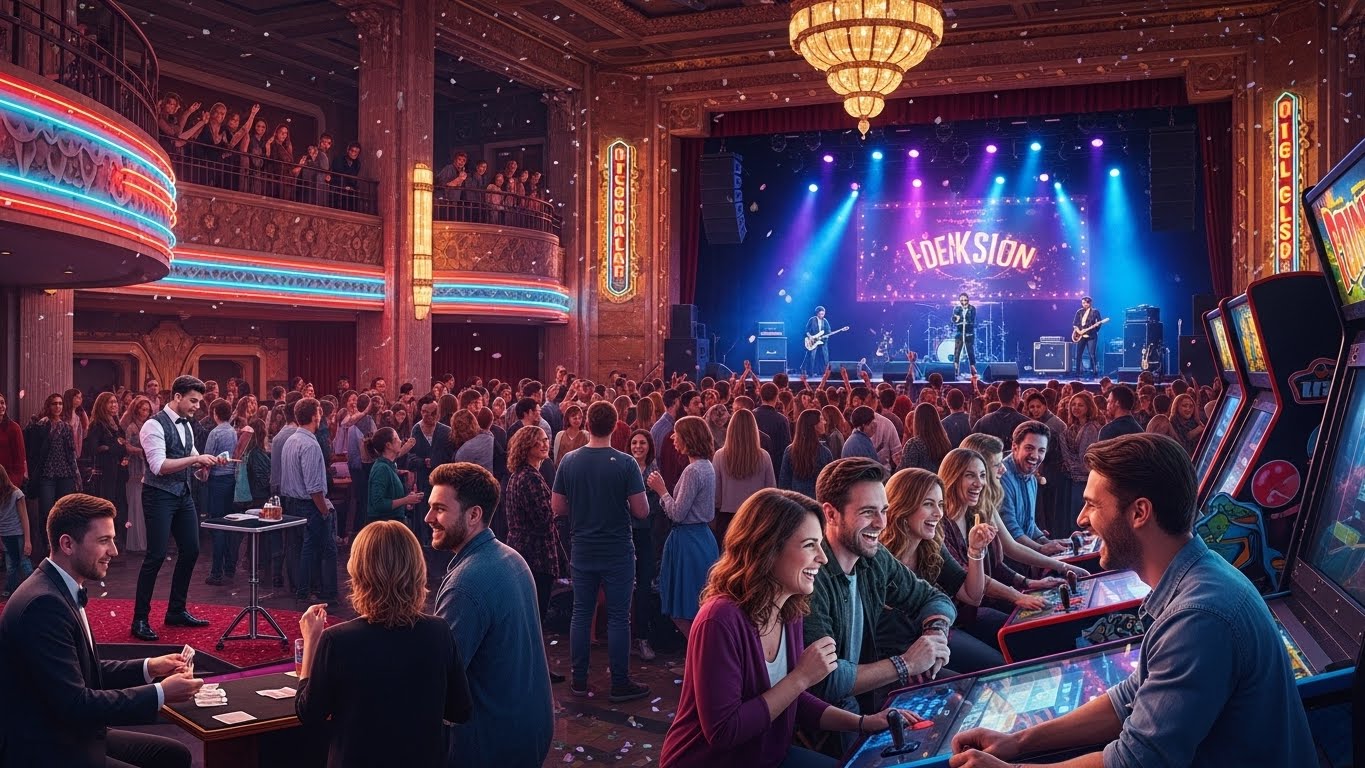
Beyond solo play, gaming has become a social phenomenon. Online multiplayer games connect millions of players across the globe. Esports tournaments attract massive audiences, turning players into professional athletes. Streaming platforms have made gamers celebrities in their own right. What was once considered a hobby is now a cultural movement that defines a generation.
The Influence of Technology on Entertainment
Technology has always shaped entertainment, but in recent years, its impact has grown unprecedentedly. Virtual reality allows people to step inside digital worlds, while augmented reality blends fiction with the real world. Artificial intelligence is now being used to compose music, write stories, and even generate art.
These advancements are changing not only how entertainment is created but also how it is experienced. Audiences are no longer passive viewers; they are participants. Interactive films, immersive concerts, and personalized recommendations are making entertainment more intimate and dynamic. The line between reality and imagination is becoming thinner with every innovation.
Cultural Significance of Entertainment
Entertainment does not exist in isolation; it reflects the values and struggles of its time. Films, songs, and art often become symbols of change. They question norms, celebrate diversity, and inspire movements. Music has played roles in revolutions, films have challenged injustice, and literature has opened minds. Through entertainment, society confronts itself and finds its identity.
Cultural representation in entertainment is more important than ever. Audiences today demand authenticity and inclusivity. Stories from different voices and backgrounds enrich the global narrative. Entertainment has the power to build empathy and understanding among people who might otherwise remain strangers.
The Business of Entertainment
Behind the art of entertainment lies a vast global industry. From movie studios and record labels to streaming giants and gaming companies, entertainment generates billions each year. It creates jobs, drives technology, and shapes economies. The industry constantly evolves to meet audience expectations, investing in innovation and creativity.
However, with growth comes responsibility. Entertainment companies must balance profit with artistic integrity and cultural sensitivity. As audiences become more aware and vocal, the demand for meaningful, ethical, and inclusive content grows stronger. The future of entertainment will depend on how the industry adapts to these expectations while maintaining its creative spark.
The Future of Entertainment
The future of entertainment promises to be more immersive, personalized, and boundary-breaking. Virtual concerts, holographic performances, and AI-driven storytelling are only the beginning. Soon, people may not just watch stories but live inside them. The fusion of art and technology will open limitless possibilities.
Yet, no matter how advanced the medium becomes, the soul of entertainment will always lie in emotion and connection. People seek stories that touch the heart, music that stirs the spirit, and experiences that make life richer. As long as humans have imagination, entertainment will continue to evolve and thrive.
Conclusion
Entertainment is not just a source of pleasure; it is a reflection of life itself. It captures our dreams, fears, and hopes. From ancient rituals to digital realities, it has traveled a long journey, adapting to every era while keeping its purpose intact — to move, to inspire, and to unite. In a world filled with chaos and change, entertainment reminds us of the beauty of imagination. It brings people together, transcends boundaries, and gives meaning to moments. The future of entertainment is infinite because the creativity of humanity knows no limits.
Entertainment will always be the heartbeat of human expression — a rhythm that echoes through every story, song, and screen, reminding us who we are and what it means to be alive.