Introduction: The Importance of Entertainment
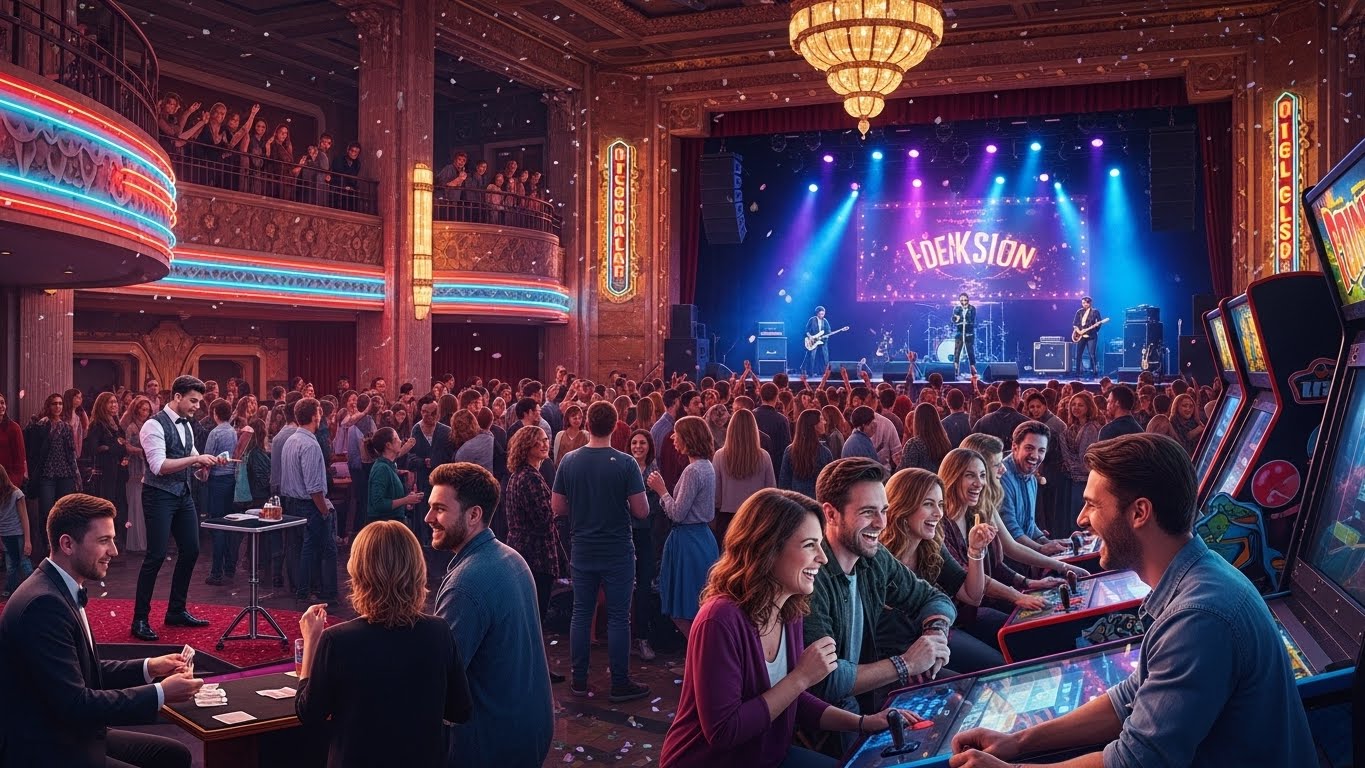
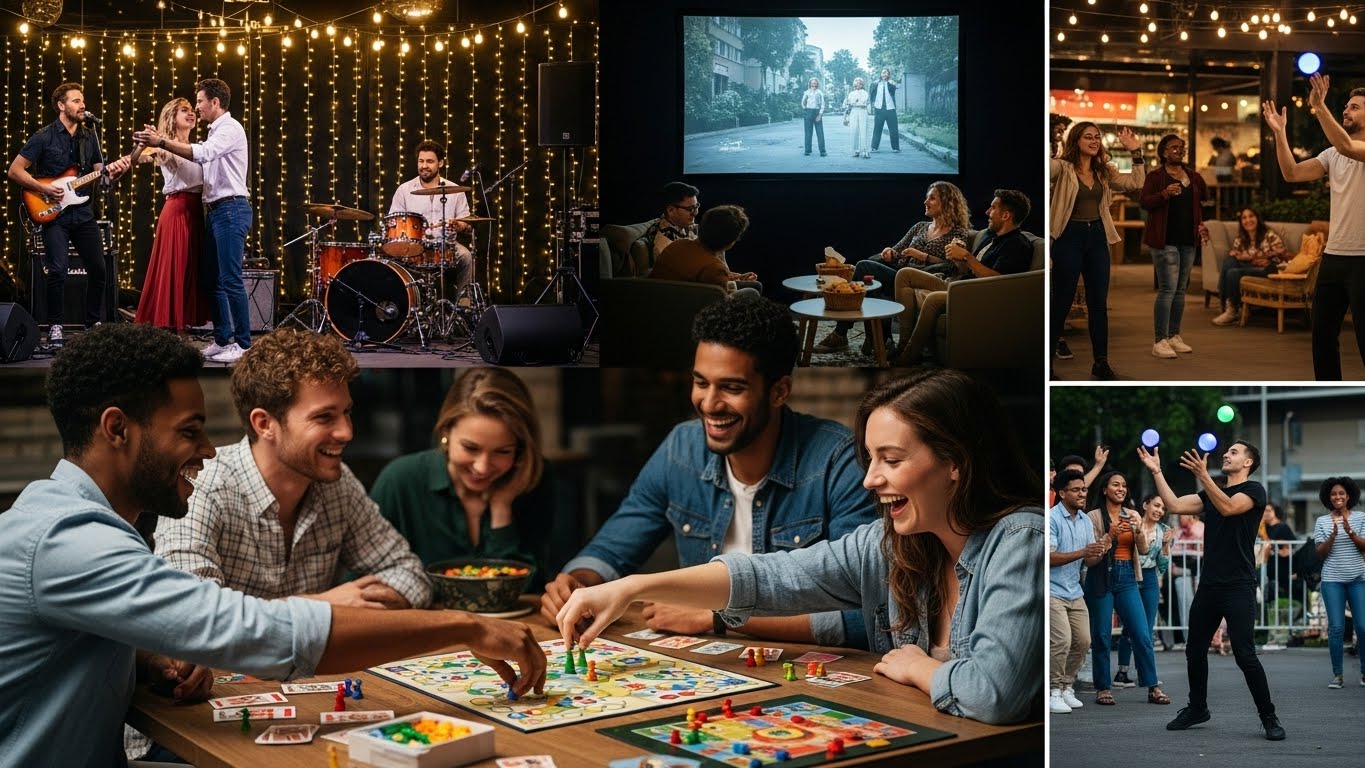
Entertainment is more than just a way to pass time; it is a fundamental part of human culture and personal experience. From ancient civilizations to today’s digital age, entertainment has evolved into a multifaceted phenomenon that shapes emotions, connects communities, and inspires creativity. It provides joy, relaxation, and a sense of escapism while reflecting societal values and trends. Whether through films, music, games, theater, or social media, entertainment has the power to influence lives, bring people together, and create shared experiences that last a lifetime.
The Origins of Entertainment: A Historical Perspective
The history of entertainment is as old as humanity itself. Early humans used storytelling, dance, and music to communicate ideas, preserve traditions, and create a sense of community. Storytelling, in particular, was not just for amusement—it educated, inspired, and fostered empathy among listeners.
In ancient civilizations, such as Greece and Rome, theaters became central to public life. Greek dramas explored morality, politics, and human nature, while Roman spectacles entertained large audiences with elaborate performances. Across the world, societies developed their own unique forms of entertainment, including traditional dances, rituals, and music performances, showing the universality of human desire for amusement and connection.
The invention of the printing press in the 15th century marked a turning point in entertainment. Literature allowed people to explore stories privately, fueling imagination and broadening access to cultural knowledge. Later, in the 20th century, cinema, radio, and television revolutionized entertainment consumption. Films became cultural phenomena, radio brought music and storytelling into homes, and television created shared experiences for millions of viewers simultaneously.
The Technological Revolution in Entertainment
Today, technology drives the evolution of entertainment in unprecedented ways. Streaming services allow audiences to watch movies, series, and documentaries on demand, eliminating the limitations of schedules or location. This convenience has also influenced content creation, leading to serialized storytelling, binge-worthy series, and shorter formats designed for digital consumption.
Gaming has grown into a dominant form of entertainment. Modern video games feature realistic graphics, cinematic narratives, and online multiplayer environments that connect players worldwide. Virtual reality and augmented reality are redefining immersion, creating experiences that allow audiences to step inside stories rather than just observe them.
Music has also benefited from technological advancements. Digital production, online streaming, and social media enable artists to produce, share, and promote their work independently. Audiences can discover music from across the globe, creating a diverse soundscape and fostering cultural exchange. Technology has democratized entertainment, giving creators and consumers unprecedented access to content.
The Role of Storytelling in Entertainment
At its core, entertainment is storytelling. Stories captivate audiences, evoke emotions, and provide insight into the human experience. From novels to films, from songs to video games, storytelling connects us to characters, ideas, and worlds beyond our own. Compelling narratives encourage empathy, spark imagination, and leave lasting impressions.
Modern storytelling often incorporates interactivity, giving audiences a chance to shape outcomes. Video games, interactive theater, and online narratives allow users to become active participants, making experiences more personal and engaging. Diverse voices are now gaining recognition in entertainment, reflecting cultures, communities, and experiences that were historically underrepresented. This diversity enriches narratives and broadens audiences’ understanding of the world.
Social Media and Audience Engagement
Social media has transformed the entertainment industry by making audiences active participants. Fans share opinions, create content, and shape trends, giving them influence over what becomes popular. Online fan communities amplify engagement, whether through discussion, fan art, or viral content.
Creators interact with their audiences more directly than ever before. Fans can influence storylines, revive canceled shows, and promote emerging artists. This engagement fosters emotional connection and loyalty, turning entertainment into a collaborative experience where audiences feel invested in the content they love.
Globalization and Cultural Exchange
Entertainment today transcends geographical boundaries. Movies, music, and games from one country can reach audiences worldwide within days. This global reach fosters cultural exchange, exposing people to traditions, languages, and creative approaches different from their own.
International collaborations have also become common, blending styles and perspectives to create unique experiences. Multilingual films, cross-cultural music projects, and co-productions showcase the power of entertainment to bridge cultures and promote understanding. Globalized entertainment enriches creativity while fostering a sense of shared humanity.
Live Entertainment: The Power of Presence
Despite the rise of digital media, live entertainment remains irreplaceable. Concerts, theater performances, comedy shows, and sporting events offer energy, excitement, and a sense of connection that screens cannot replicate.
The shared experience of live entertainment creates lasting memories. Immediate audience feedback enhances the emotional impact, making each performance unique. Whether it’s the thrill of a packed stadium or the intimacy of a theater, live entertainment reminds us of the irreplaceable value of human presence and interaction.
The Business of Entertainment
Entertainment is also a significant economic force. The industry generates billions of dollars globally through production, distribution, marketing, and creative talent. Studios, record labels, gaming companies, and independent creators all contribute to an ecosystem that blends creativity and commerce.
Digital platforms have democratized access to this ecosystem. Independent creators can now produce, promote, and monetize their work, bypassing traditional gatekeepers. In today’s market, success depends on authenticity, creativity, and the ability to engage audiences meaningfully, reflecting the growing importance of emotional connection over purely commercial content.
Emerging Trends in Entertainment
Several trends are shaping the future of entertainment. Personalization is becoming crucial, with platforms tailoring content to individual preferences. Immersive experiences, including virtual concerts, interactive stories, and augmented reality games, offer active participation rather than passive consumption.
Socially conscious entertainment is also on the rise. Audiences are drawn to content that reflects diversity, addresses social issues, and promotes ethical values. Creators are increasingly producing work that entertains while inspiring thought and dialogue, creating entertainment that is both enjoyable and meaningful.
The Psychological and Cultural Significance of Entertainment
Entertainment impacts emotional well-being and cultural identity. It provides a safe space for relaxation, creativity, and emotional exploration. Through stories, music, and performances, audiences can connect with themselves and others, fostering empathy, reflection, and joy.
Entertainment also shapes culture. It influences language, fashion, social trends, and collective values. Shared experiences through entertainment create cultural touchstones that define generations, spark conversations, and strengthen community bonds.
Conclusion: The Enduring Value of Entertainment
Entertainment continues to evolve with technology, audience participation, and global influence. Future experiences will likely be even more immersive, interactive, and culturally diverse. Yet, the core purpose of entertainment remains unchanged: to inspire, connect, and captivate.
As creators and audiences explore new ways to tell stories, share experiences, and engage with content, entertainment will remain a central part of human life. It reflects creativity, nurtures emotional connections, and provides joy, comfort, and inspiration. In a constantly changing world, entertainment endures as a timeless source of culture, imagination, and shared human experience.