The Evolution of Entertainment: From Ancient Times to the Digital Age
Entertainment is an integral part of human life, shaping our culture, emotions, and social dynamics. From ancient rituals to the cutting-edge technology of today, the ways in which we experience joy, laughter, and excitement have evolved dramatically. This blog post takes a deep dive into the history of entertainment, examining how it has transformed over the centuries and what lies ahead in the digital age.
Ancient Roots of Entertainment
The concept of entertainment can be traced back to prehistoric times when early humans used storytelling, music, and dance as means of passing time, preserving traditions, and communicating with one another. Ancient societies were particularly fond of storytelling and theater. Civilizations like the Greeks and Romans developed intricate performances, including plays, gladiator games, and festivals, which were designed not only for leisure but to reflect social and political themes of the time.
In ancient Egypt, the pursuit of entertainment often involved grandiose royal spectacles, including chariot races, religious ceremonies, and theatrical performances held in the great pyramids. The Mesopotamians also enjoyed their share of musical and theatrical performances, particularly as part of religious and festive occasions. These early forms of entertainment were simple but highly effective in fostering community, tradition, and connection.
The Rise of Live Entertainment
As societies grew more complex, entertainment began to take on more structured and formal forms. The development of theater, especially in ancient Greece, laid the foundation for much of Western entertainment. Figures like Sophocles, Aeschylus, and Euripides revolutionized the theater by writing plays that explored profound human emotions, social conflicts, and philosophical questions.
In ancient Rome, gladiatorial contests became a prominent form of entertainment. The famous Colosseum in Rome hosted these brutal yet captivating spectacles, where gladiators fought to the death for the amusement of the masses. Although these contests were violent, they attracted huge crowds and were a symbol of power, control, and entertainment for the ruling classes.
Medieval times brought a different flavor of entertainment, with tournaments, jousting, and minstrels performing for the nobles and peasants alike. The Church played an important role in shaping the types of entertainment available, as many forms of entertainment were centered around religious festivals and public performances.
The Birth of the Modern Era: Print and the Stage
With the invention of the printing press in the 15th century, entertainment began to undergo another major shift. The mass production of books, newspapers, and plays led to an increase in literacy rates, giving rise to a more educated public who sought out new forms of leisure. This period saw the rise of novelists, playwrights, and poets, who became the celebrities of their time. Shakespeare, for instance, redefined English literature and theater, creating works that remain integral to modern entertainment.
In the 18th and 19th centuries, the advent of operas, musicals, and symphonies brought a different dimension to entertainment. Opera houses and concert halls became prestigious venues for the elite, while traveling circuses and vaudeville acts brought entertainment to the masses. These forms of entertainment reflected the growing divide between social classes, with the wealthier enjoying more refined and cultured activities, while the working class indulged in popular performances.
The 20th Century: The Age of Film, Radio, and Television
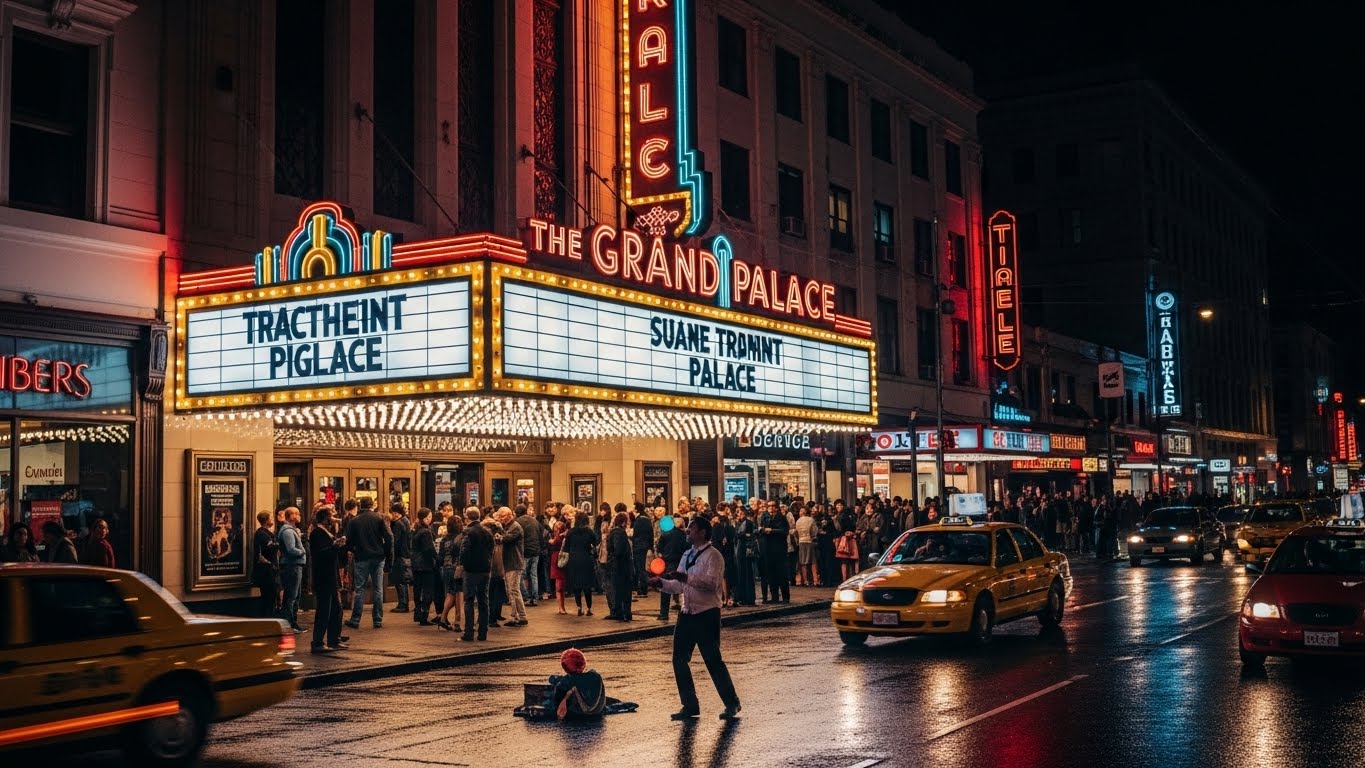
The 20th century marked an unprecedented expansion in the world of entertainment. The invention of cinema, radio, and television forever changed the way people consumed entertainment. The early 1900s saw the birth of silent films, and soon, the world was captivated by icons like Charlie Chaplin and Greta Garbo. The introduction of sound in films, along with color, revolutionized the movie industry and created an entirely new form of escapism.
By the 1920s, Hollywood had emerged as the epicenter of global entertainment. The film industry not only entertained millions but also began to shape societal ideals, trends, and behaviors. Stars like Marilyn Monroe, James Dean, and Audrey Hepburn became more than just actors; they became cultural symbols, influencing fashion, beauty standards, and social values.
Meanwhile, radio was emerging as the first mass communication medium. The 1930s and 1940s saw the rise of radio shows, which brought entertainment and news directly into people’s homes. Families would gather around the radio, just as we now gather around our screens, to listen to dramatic shows, music performances, and news broadcasts.
Television, however, proved to be the most transformative medium. By the mid-20th century, television sets became common household items, with people watching the news, dramas, sitcoms, and live performances from the comfort of their living rooms. Icons like I Love Lucy, The Twilight Zone, and The Ed Sullivan Show became cultural touchstones, while television stars became household names.
The Digital Revolution: The Internet and Streaming
The turn of the century brought about the digital revolution, which transformed every aspect of entertainment. The rise of the internet fundamentally altered how people accessed and consumed entertainment. Traditional forms like cinema and television faced competition from online streaming platforms, which offered on-demand access to movies, TV shows, music, and even live sports events.
Services like Netflix, Amazon Prime Video, YouTube, and Spotify changed the entertainment landscape by offering vast libraries of content at the click of a button. The need to wait for a specific time slot or for a movie to be shown in theaters became obsolete. The convenience of on-demand access, combined with personalized recommendations, revolutionized how entertainment is consumed.
Moreover, the digital age gave rise to social media platforms like Instagram, Twitter, and TikTok, where entertainment has become interactive. People now engage directly with celebrities, influencers, and fellow fans, and content can go viral within minutes. In many ways, the internet has democratized entertainment, allowing anyone to create and share content, thus making it more diverse and accessible than ever before.
The Future of Entertainment: Virtual Reality and Artificial Intelligence
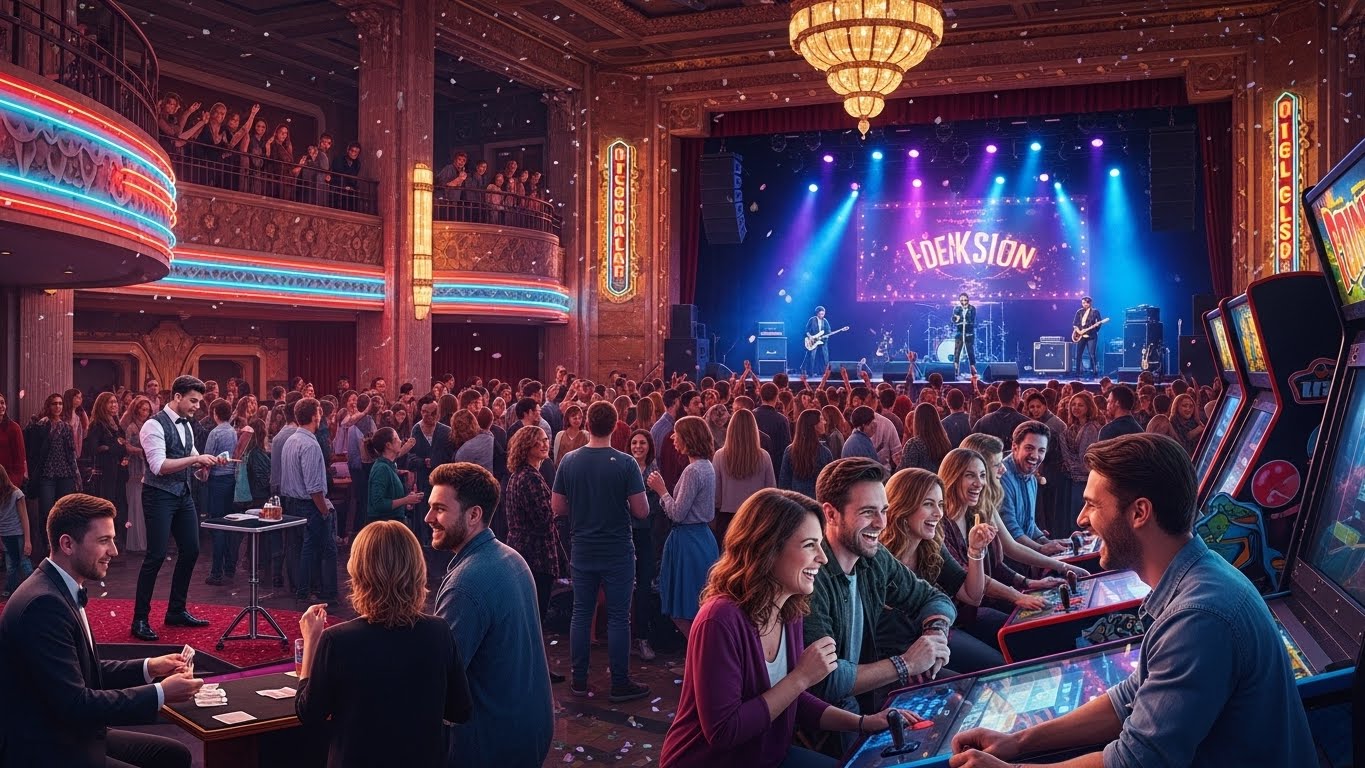
Looking forward, the future of entertainment is being shaped by cutting-edge technologies like virtual reality (VR) and artificial intelligence (AI). VR has already begun to revolutionize gaming and immersive storytelling, where users can interact with digital worlds in ways that were once unimaginable. Imagine watching a movie where you’re not just an observer but an active participant in the story, making choices that affect the narrative. VR experiences, ranging from concerts to theme park rides, are providing new ways for people to engage with entertainment.
On the other hand, AI is beginning to impact how entertainment content is created. Algorithms are already used to recommend movies and songs based on user preferences, but in the future, AI could create entire movies or music albums. AI tools are being developed to simulate acting performances, write scripts, and compose music. While this might sound futuristic, we’re already seeing the beginning of this transformation with AI-generated music and synthetic actors.
Additionally, augmented reality (AR), mixed reality (MR), and holographic technologies are set to change how we interact with entertainment in our everyday lives. Imagine attending a live concert or theater performance in your living room via holograms or participating in an interactive AR experience while walking down the street.
Conclusion: A Never-Ending Evolution
Entertainment has come a long way since the days of ancient storytelling around the campfire. What began as simple performances and social gatherings has evolved into a multi-billion-dollar industry powered by technology. Today, entertainment is not just about passive consumption; it’s an active, immersive, and interactive experience that continues to break barriers and reshape cultures across the globe.
As technology continues to evolve, so too will our entertainment experiences. Whether through immersive virtual worlds, AI-generated art, or interactive media, the future promises to offer exciting new ways to engage with entertainment. One thing is clear: entertainment is a living, breathing entity, constantly adapting to reflect the changing tastes, needs, and desires of society. From the ancient theaters of Greece to the digital streaming platforms of today, the world of entertainment will continue to captivate and inspire for generations to come.