
The Art of Escape: How Entertainment Shapes Our Emotions, Culture, and Everyday Life
Introduction: More Than Just Passing Time
Entertainment is often dismissed as a luxury, something we turn to only after work is done or responsibilities are fulfilled. Yet, in reality, entertainment is deeply woven into the fabric of human life. From ancient storytelling around fires to modern streaming platforms, entertainment has always served a greater purpose than simple amusement. It reflects our values, challenges our thinking, comforts us in difficult moments, and connects us across cultures and generations.
In today’s fast-moving world, entertainment has evolved into a powerful force that influences emotions, identity, social behavior, and even the way we see the future. Understanding entertainment means understanding ourselves.
The Evolution of Entertainment Through Time
Entertainment did not begin with screens or stages. Early humans entertained one another through stories, music, dance, and rituals. These shared experiences were vital for survival, teaching lessons, preserving history, and strengthening community bonds.
As civilizations grew, entertainment became more structured. Theaters emerged, music developed formal styles, and storytelling transformed into literature. Each era used entertainment to reflect its social norms and struggles. The Industrial Revolution brought mass entertainment, allowing books, performances, and later films to reach wider audiences.
Today, entertainment is global and instant. A song created in one country can trend worldwide within hours. While the tools have changed, the purpose remains the same: to engage, express, and connect.
Entertainment as an Emotional Outlet
One of entertainment’s most important roles is emotional release. People turn to movies when they want to feel inspired, to music when they need comfort, and to comedy when life feels overwhelming. Entertainment provides a safe space to experience emotions that might be difficult to confront directly.
A powerful story can help someone process grief. A lighthearted show can offer relief during stressful times. Even suspense and horror allow audiences to explore fear in a controlled environment. This emotional engagement is not accidental; it is the reason entertainment feels meaningful and memorable.
In many ways, entertainment acts as an emotional mirror, reflecting feelings we may struggle to express ourselves.
The Cultural Impact of Entertainment
Entertainment does more than entertain; it preserves and shapes culture. Films, music, and television capture the language, fashion, beliefs, and struggles of their time. Long after historical events fade, entertainment remains as a record of how people lived and thought.
Cultural representation in entertainment also plays a significant role in shaping identity. When people see themselves reflected on screen or in stories, it validates their experiences. At the same time, exposure to different cultures through entertainment fosters understanding and empathy.
This cultural exchange has never been more powerful than it is today, as global entertainment allows people to explore traditions and perspectives beyond their own borders.
Technology and the Transformation of Entertainment
Technology has completely redefined how entertainment is created and consumed. What once required physical presence or scheduled viewing is now available on demand. This shift has given audiences more control over what they watch, listen to, and engage with.
Digital platforms have also lowered barriers for creators. Independent artists can now share their work with global audiences without relying on traditional gatekeepers. This has led to greater diversity in voices and storytelling styles.
However, this abundance also presents challenges. With endless options, attention spans have shortened, and the pressure to constantly produce content has increased. Despite these changes, technology remains a tool, and the heart of entertainment still lies in creativity and storytelling.
Entertainment as a Social Connector
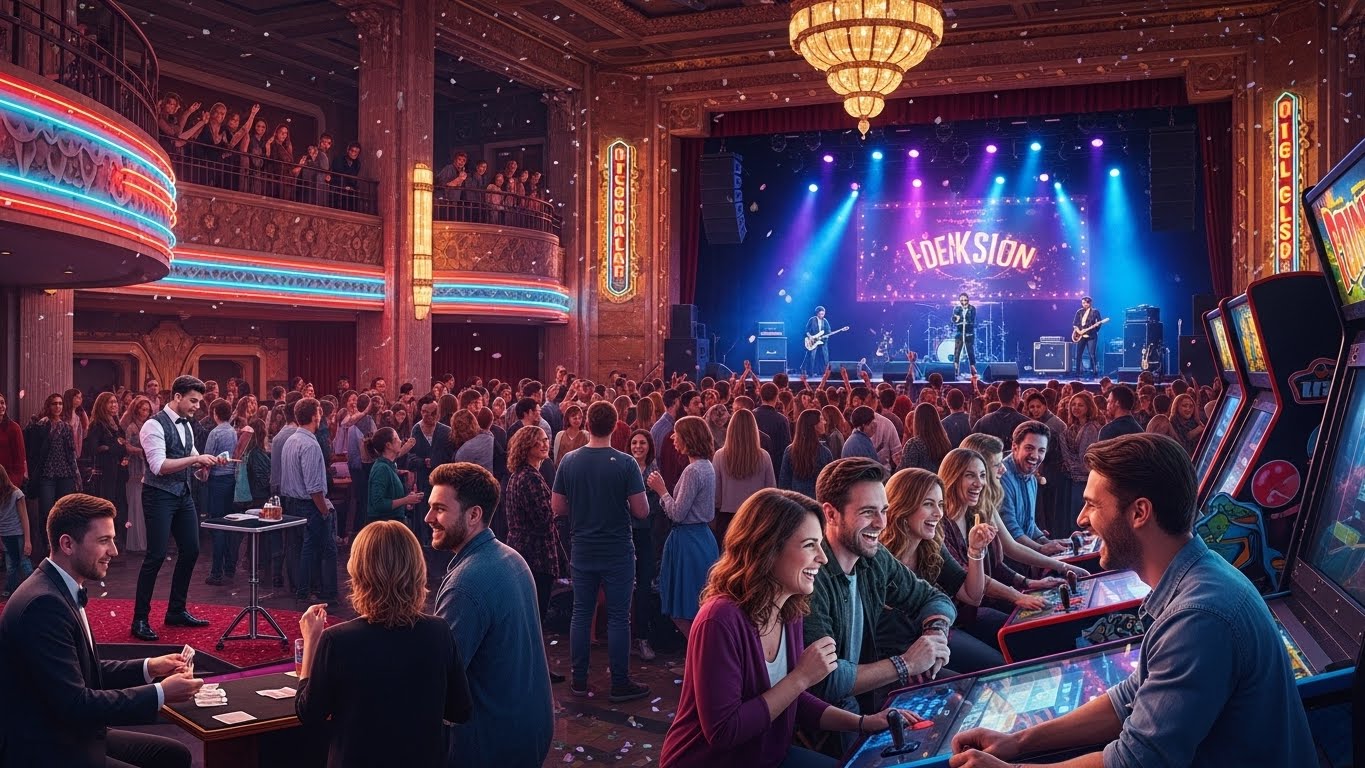
Entertainment has always been a shared experience. People gather to watch sports, attend concerts, discuss films, and celebrate cultural events. These shared moments create bonds, spark conversations, and strengthen relationships.
Even in digital spaces, entertainment brings people together. Online communities form around favorite shows, artists, and genres. Fans connect across distances, united by shared interests and passions.
This sense of belonging is one of entertainment’s most powerful effects. It reminds people that they are not alone in what they enjoy, feel, or believe.
The Business Side of Entertainment
Behind the glamour and excitement lies a massive industry. Entertainment is a major economic force, providing employment to millions and contributing significantly to global economies. From performers and writers to technicians and marketers, countless professionals work together to bring entertainment to life.
At the same time, commercialization can influence creative choices. Trends often dictate what gets produced, sometimes at the expense of originality. Yet, history shows that truly impactful entertainment often emerges when creators take risks and challenge conventions.
Balancing artistic integrity with commercial success remains one of the industry’s ongoing challenges.
The Psychological Influence of Entertainment
Entertainment does not exist in isolation from the human mind. Stories influence beliefs, music affects mood, and repeated exposure to certain themes can shape perception. This influence can be positive, encouraging empathy, resilience, and hope.
However, it also carries responsibility. Thoughtful entertainment can inspire change, while careless content can reinforce harmful stereotypes or unrealistic expectations. Audiences today are more aware of this influence and increasingly seek content that feels authentic and responsible.
Understanding this psychological impact helps both creators and consumers engage with entertainment more consciously.
The Future of Entertainment
The future of entertainment promises even greater innovation. Advances in technology continue to blur the line between creator and audience, reality and imagination. Interactive storytelling, immersive experiences, and personalized content are reshaping how stories are told and experienced.
Yet, regardless of how advanced entertainment becomes, its core purpose will remain unchanged. People will always seek stories that move them, music that resonates, and experiences that offer escape and meaning.
The challenge for the future lies not in creating more content, but in creating content that truly connects.
Conclusion: Why Entertainment Truly Matters
Entertainment is not a distraction from life; it is a reflection of it. It captures human emotion, preserves culture, builds connections, and offers moments of escape and understanding. Whether through laughter, tears, excitement, or reflection, entertainment enriches everyday existence in subtle yet powerful ways.
In a world filled with uncertainty and change, entertainment continues to provide comfort, inspiration, and a sense of shared humanity. It reminds us that stories matter, emotions matter, and connection matters. Ultimately, entertainment is not just about watching or listening; it is about feeling, understanding, and belonging.