
The Ever-Evolving World of Entertainment
Entertainment has always been at the heart of human culture. From ancient storytellers gathered around fires to today’s global digital platforms, the way we enjoy stories and experiences has changed dramatically. Yet one thing remains constant: our desire to escape, to imagine, and to connect. Modern entertainment is more diverse, more immersive, and more influential than ever. It shapes how we think, how we communicate, and even how we understand the world around us. In this blog, we explore how entertainment continues to evolve and what makes it such a powerful force in our lives today.
The Rise of Digital Storytelling
Digital storytelling is perhaps the most transformative shift in the entertainment industry. Traditional books and films still hold their charm, but now audiences crave experiences that go beyond simple narratives. Interactive stories allow viewers to make choices that alter plotlines. Animated universes expand through multiple formats, from short films to games and novels. This blending of mediums creates richer stories that feel alive, with each piece contributing to a larger world. The digital space has also democratized storytelling, offering opportunities for independent creators to reach millions without needing a major studio.
Streaming: The New Entertainment Powerhouse
Not long ago, people arranged their day around scheduled television programs. Now, entertainment bends to the viewer’s schedule. Streaming platforms have reshaped the landscape, giving audiences access to vast libraries of content at any time. Instead of waiting week after week for new episodes, viewers can now immerse themselves in entire seasons in one sitting. This transformation has not only changed viewing habits but has also influenced how stories are written. Writers now craft narratives that encourage continuous viewing, with cliffhangers and intricate plotlines that keep audiences hooked.
The Music Revolution: From Records to Algorithms
Music has always been a universal form of entertainment, but its consumption has evolved rapidly. Gone are the days when fans waited for physical albums to be released. Today, personalized playlists, instant releases, and algorithm-driven recommendations define the musical experience. Artificial intelligence plays a growing role in understanding listener habits, helping listeners discover new artists that match their tastes. This shift has empowered musicians as well, enabling them to reach international audiences without traditional industry barriers. The music world is no longer limited by geography; it is a global playground where creativity thrives.
Gaming: The Blueprint of Modern Interactivity
Gaming has taken center stage as one of the most dynamic and engaging forms of entertainment. What started as simple pixelated adventures has matured into cinematic worlds, sprawling environments, and emotional narratives. Modern games blend art, storytelling, sound, and interaction in a way that no other medium fully achieves. Competitive gaming and virtual communities have also flourished, giving rise to a culture where players connect with others across continents. The immersive quality of gaming offers not just fun but also opportunities for learning, team-building, and creative problem-solving.
Social Media Entertainment and the Rise of Micro-Creators
Social media has given birth to a new entertainment genre: short-form, instantly consumable content. Creators craft quick skits, tutorials, opinions, and comedic moments that capture audiences within seconds. This new genre thrives on creativity under time constraints. It has also transformed everyday individuals into entertainers, breaking down traditional gatekeeping structures. People from diverse backgrounds now share their talents, humor, and stories with global audiences. Social media entertainment is raw, authentic, and constantly evolving, reshaping the way people perceive fame and artistic expression.
Cinema’s Grand Evolution in a Changing World
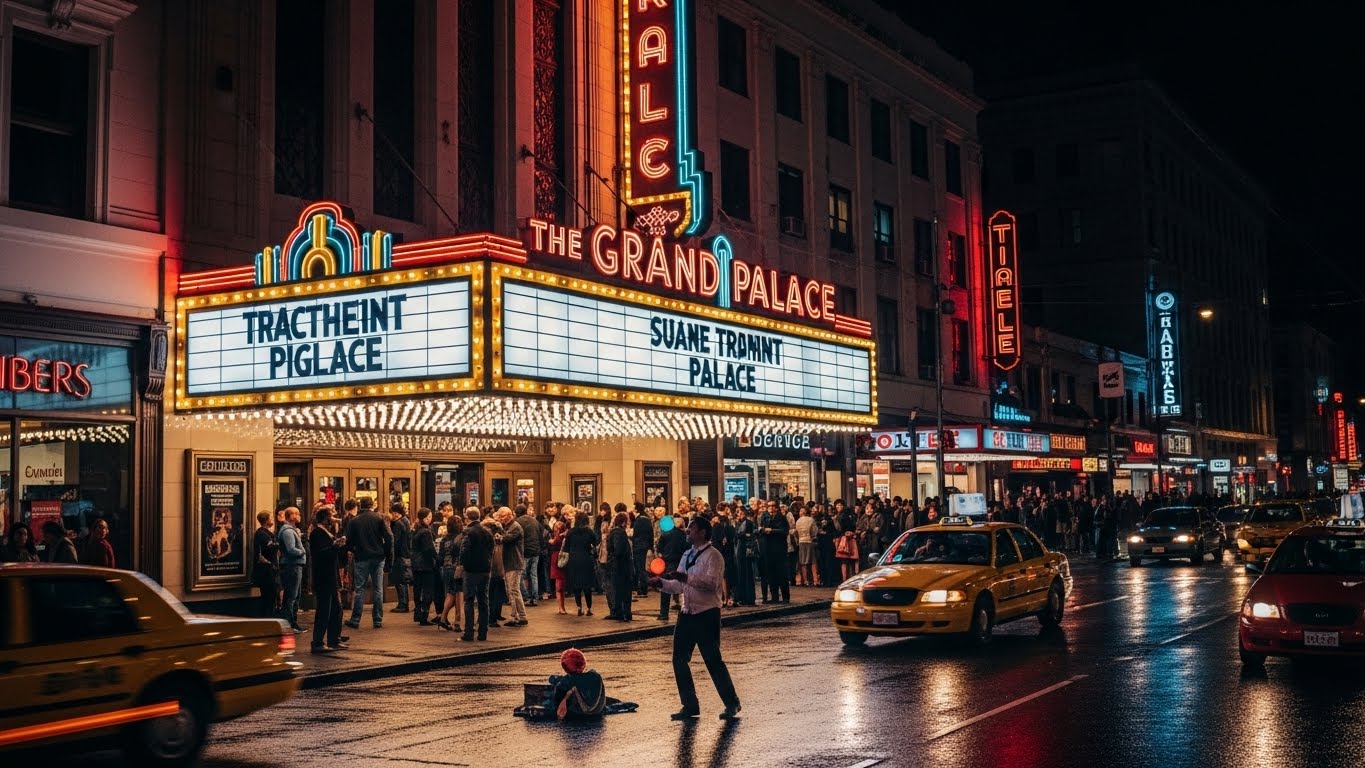
Cinema remains one of the most beloved forms of entertainment, even as the industry adapts to new realities. Modern film experiences offer visual spectacles, emotional journeys, and thought-provoking themes. Advances in technology, such as high-definition cameras, CGI, and enhanced sound, have raised expectations for quality. Filmmakers push boundaries with innovative storytelling techniques and diverse representation, creating films that resonate with contemporary audiences. While streaming competes with theaters, cinema continues to survive because the shared experience of watching a movie on the big screen is timeless.
The Power of Nostalgia in Entertainment
In recent years, nostalgia has become a significant driving force in entertainment. Audiences cherish the comfort of familiar characters, iconic themes, and stories from their childhood. Reboots, remakes, and sequels tap into emotional memories, rekindling connection and joy. Nostalgia-based content resonates because it blends the past with the present, offering a sense of continuity in a rapidly changing world. Whether it’s classic cartoons returning with modern animation or old songs finding new life through remixes, nostalgia bridges generations in a beautiful way.
The Influence of Global Cultures
Entertainment has grown increasingly global, with audiences consuming content from different cultures more than ever before. International films, series, and music have found appreciation across continents. This cultural exchange enriches the global entertainment landscape, offering fresh perspectives and diverse narratives. Audiences now celebrate stories that reflect various traditions, languages, and lifestyles. As creators draw inspiration from multicultural influences, entertainment becomes a powerful tool for fostering understanding and unity.
Immersive Experiences: The Future of Entertainment
The future points toward deeper immersion. Virtual reality and augmented reality are redefining how people interact with entertainment. Instead of watching a story unfold, audiences can step inside it. VR headsets and AR applications allow users to explore virtual worlds, participate in digital adventures, and experience stories from new perspectives. These technologies open a door to limitless creativity, transforming entertainment from a passive activity to an active, engaging journey.
The Role of Artificial Intelligence in Creative Expression
Artificial intelligence has become a major force in shaping entertainment. AI tools help writers brainstorm ideas, assist musicians in composing melodies, and enhance visual effects in films. While AI may never replace human creativity, it serves as a powerful ally in the creative process. It enhances productivity, provides inspiration, and expands the boundaries of imagination. As technology continues to evolve, the partnership between humans and AI will redefine what is possible in storytelling, art, and interactive experiences.
Live Entertainment: The Magic of Real-Time Connection
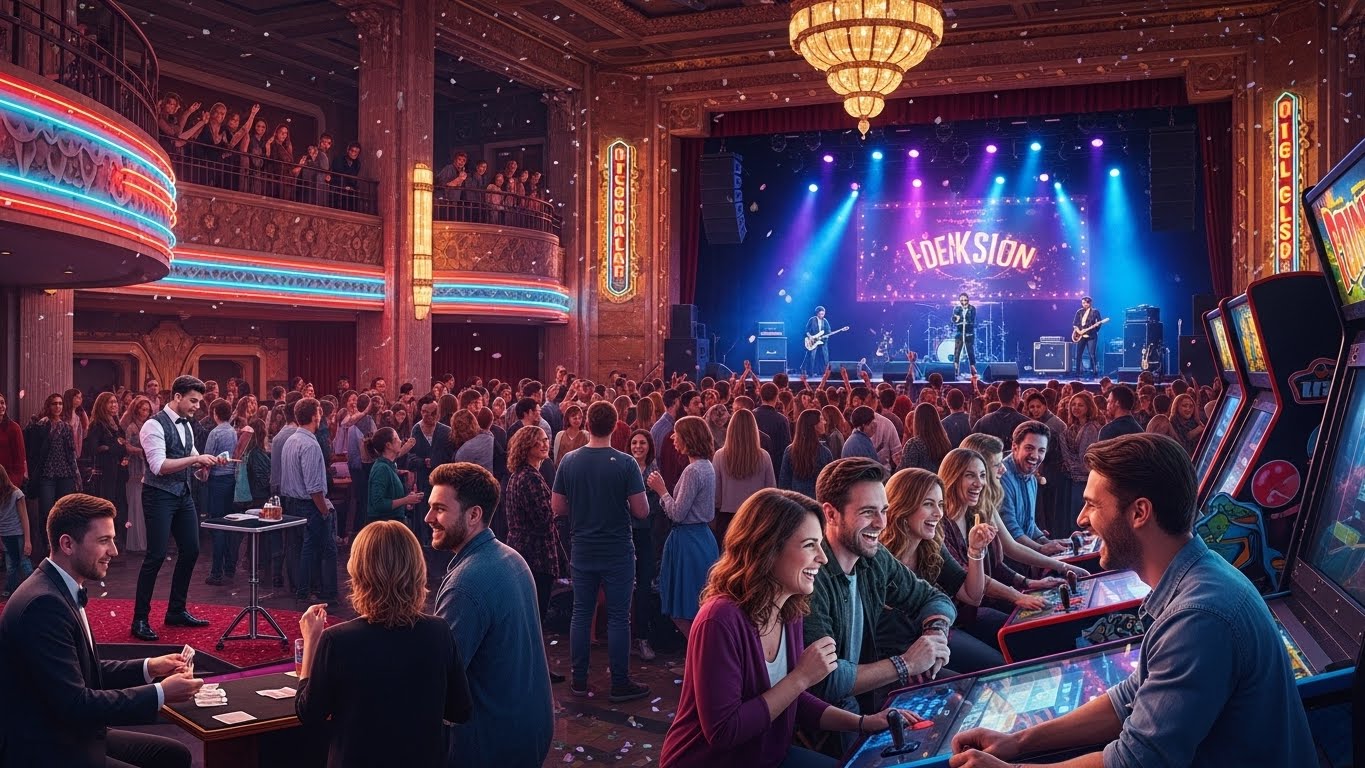
Despite digital advancements, live entertainment maintains its irresistible charm. Concerts, theater plays, stand-up comedy, and festivals offer something digital screens cannot fully replicate: the energy of a shared, real-time experience. The connection between performers and audiences creates unforgettable moments. Live entertainment thrives because it brings people together, fostering emotion, unity, and celebration. As technology improves production quality, live experiences become even more spectacular, combining tradition with innovation.
How Entertainment Shapes Society
Entertainment is not just about fun; it carries immense cultural and social influence. Movies spark conversations about social issues. Music inspires movements. Games teach strategic thinking. Books expand empathy and imagination. Entertainment reflects the values, struggles, and dreams of society. It has the power to challenge stereotypes, highlight injustices, and inspire change. Entertainment also serves as an escape—offering comfort during stressful times and joy during moments of celebration.
Why We Need Entertainment More Than Ever
In a fast-paced world filled with responsibilities, challenges, and constant information, entertainment provides balance. It gives us space to relax, to feel, and to dream. Whether we’re laughing at a comedy, shedding tears at a moving film, or losing ourselves in a game, entertainment offers emotional release. It also strengthens human connection, bringing people together through shared experiences. In an era of digital noise, entertainment reminds us of what it means to be human.
Conclusion: The Endless Journey of Creativity
Entertainment is a living, breathing ecosystem that continues to evolve with society. It grows alongside technology, adapts to cultural shifts, and responds to the needs of audiences. Whether through screens, speakers, stages, or immersive worlds, entertainment enriches our lives in countless ways. The future promises even more innovation, creativity, and connection. As long as humans crave stories, emotion, and imagination, entertainment will remain at the center of our journey.