Introduction
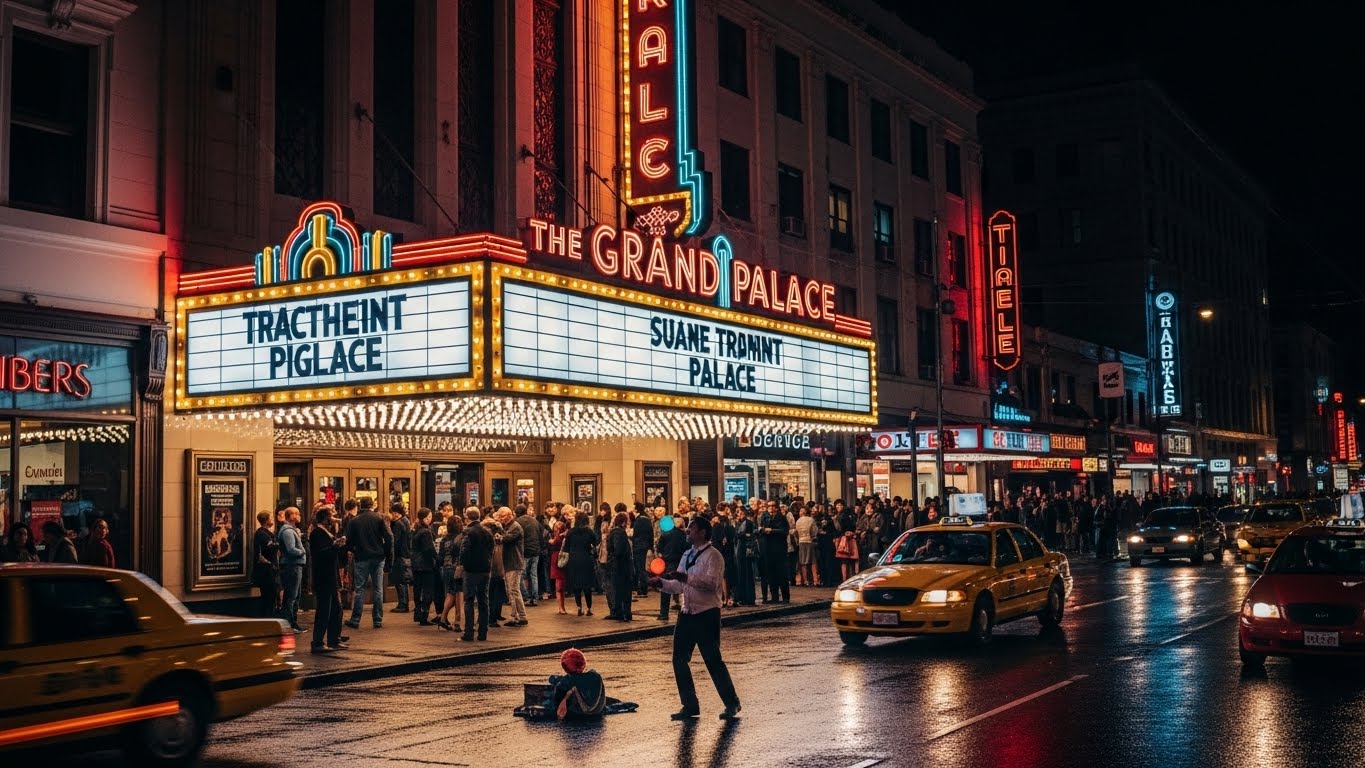
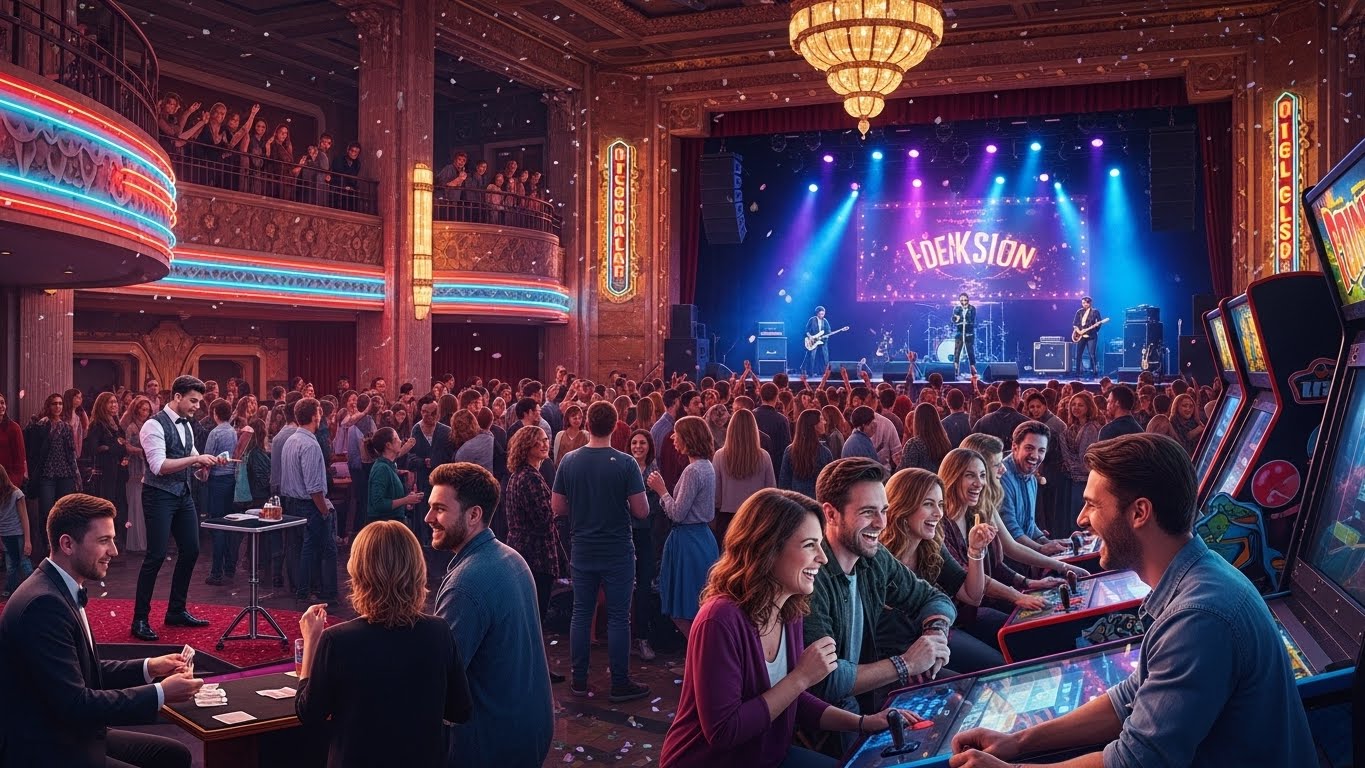
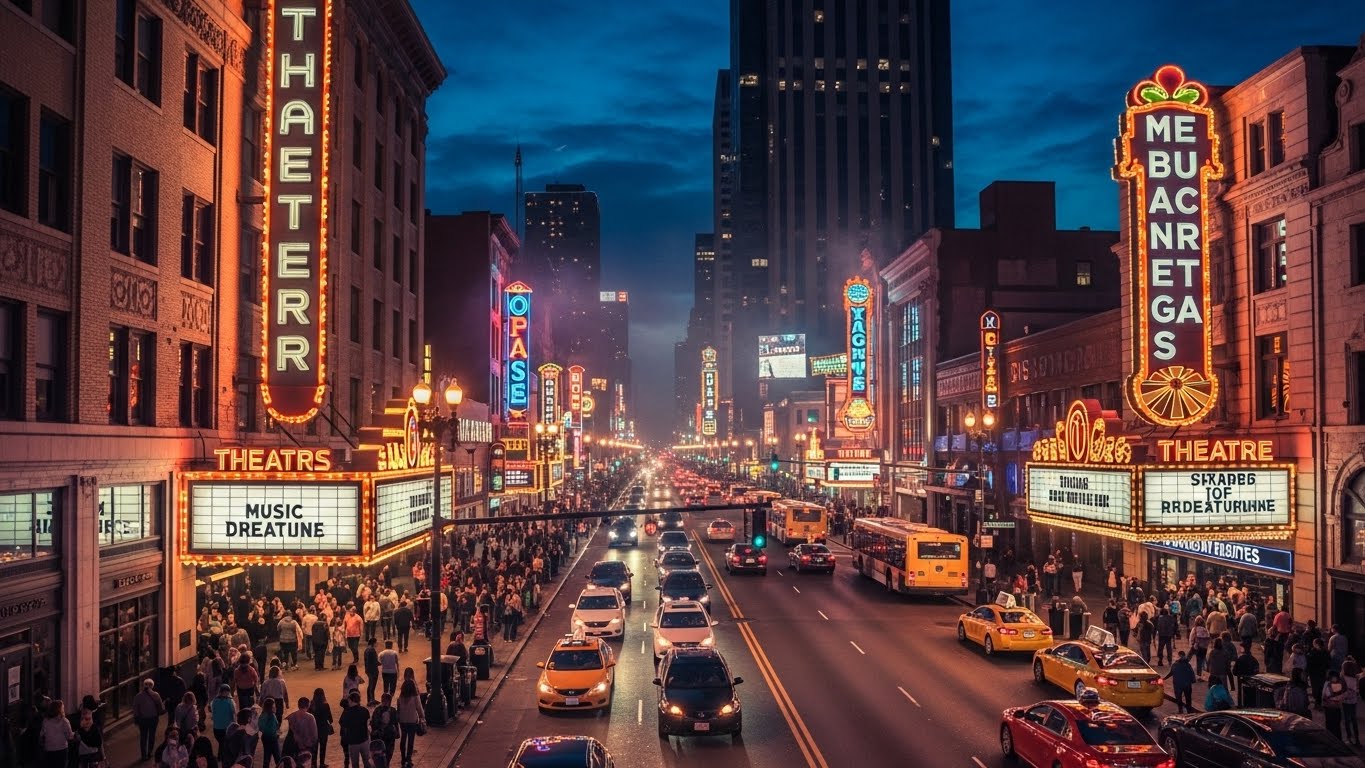
Entertainment has always been an essential part of human life, evolving alongside culture, technology, and societal changes. It has transformed from the simplest forms of communal gatherings around fires to the immersive digital experiences of the modern age. From storytelling traditions that date back to ancient civilizations to the boundless realms of virtual reality, the landscape of entertainment is constantly shifting. In this blog post, we will explore how entertainment has evolved over the centuries, examining how different periods and advancements in technology have shaped the way we engage with art, performance, and leisure.
Ancient Beginnings: The Birth of Storytelling and Rituals
Long before the advent of cinema, video games, or television, the first forms of entertainment were deeply tied to rituals, mythology, and community bonding. The earliest forms of entertainment can be traced to oral storytelling, where myths, legends, and stories were passed down through generations. These stories were often shared around campfires or in communal spaces, allowing people to connect, educate, and entertain all at once. They were an integral part of passing on cultural values and shared histories.
In ancient Egypt, Greece, and Rome, entertainment also took a more public form with theatrical performances. Greek tragedies and comedies, for example, were performed in open-air amphitheaters and were an essential part of religious festivals. These performances not only entertained but also served as a platform for political commentary and social reflection. In the Roman Empire, gladiatorial games and chariot races became massive spectacles that captivated large audiences, blending violence and sport in ways that continue to influence modern entertainment forms.
The Medieval and Renaissance Eras: Festivals, Court Performances, and the Rise of the Theater
The medieval period saw the continuation of oral traditions, but also marked the beginning of more organized forms of entertainment. The church played a significant role in shaping entertainment during this time, with religious pageants and mystery plays that told Bible stories in visually stunning ways. These performances were often held in the open air or in public squares, serving as both a form of worship and a means of connecting with the masses.
During the Renaissance, the explosion of intellectual and artistic pursuits led to the flourishing of theater, music, and dance. The works of Shakespeare, for example, continue to captivate audiences centuries later. The rise of the theater as an art form allowed for more structured storytelling and performances, while the growth of royal courts fostered elaborate music, dance, and drama productions for the aristocracy. The Renaissance period laid the groundwork for modern performing arts and refined the notion of entertainment as both a form of art and a social experience.
The Birth of Mass Entertainment: The Age of Print and the Rise of the Media
With the advent of the printing press in the 15th century, entertainment began to take on new forms. The dissemination of books, newspapers, and pamphlets allowed for the spread of stories and ideas on a much larger scale than ever before. Literature, in particular, began to evolve into a popular form of entertainment for the masses. Writers like Charles Dickens, Jane Austen, and Mark Twain became household names as their works were printed and sold to the public.
In the 19th century, the industrial revolution also saw the birth of the modern media landscape. The rise of newspapers, magazines, and eventually radio revolutionized the way people consumed entertainment. Radio, in particular, became a medium that brought music, drama, and news directly into people’s homes, fostering a shared cultural experience for listeners worldwide.
The 20th Century: The Rise of Film, Television, and the Golden Age of Hollywood
Perhaps no other period in history has seen as much innovation in entertainment as the 20th century. The invention of cinema brought entertainment into a new realm, offering a visual and auditory experience that was unlike anything before. The early days of cinema were characterized by silent films, but as sound technology developed, the Hollywood film industry took off in the 1930s and 1940s, leading to what is now considered the Golden Age of Hollywood.
During this time, legendary actors and directors like Charlie Chaplin, Humphrey Bogart, and Alfred Hitchcock became household names. Movies such as “Gone with the Wind,” “Casablanca,” and “Citizen Kane” were not just forms of entertainment; they were cultural landmarks that shaped global conversations and reflected societal values.
Television followed in cinema’s footsteps, with the first television broadcasts in the 1930s. By the 1950s and 1960s, television had become a central part of daily life in many households. Shows like “I Love Lucy,” “The Twilight Zone,” and “The Ed Sullivan Show” provided entertainment to millions of viewers, and television became a tool for advertisers, politicians, and cultural influencers to shape public opinion.
The Digital Revolution: Enter the Internet, Video Games, and Streaming Platforms
As the 20th century came to a close, a new digital revolution began to reshape the entertainment industry. The internet opened up an entirely new world of possibilities for consuming and creating entertainment. Websites, online forums, and social media platforms allowed people to connect with others around the globe and share content instantly. Platforms like YouTube revolutionized how people consumed video content, giving rise to amateur filmmakers, vloggers, and influencers who could reach audiences worldwide without the need for traditional media gatekeepers.
Video games also experienced a dramatic transformation during this period. What began as simple, pixelated games like Pong and Space Invaders evolved into complex, visually stunning experiences that rival films in terms of narrative depth and artistic achievement. Franchises like “The Legend of Zelda,” “Super Mario,” and “Final Fantasy” became cultural icons, and gaming became a dominant form of entertainment, with massive fan bases and multi-million dollar industries built around it.
The rise of streaming platforms like Netflix, Hulu, and Amazon Prime in the late 2000s further changed the entertainment landscape. Traditional television networks, which once relied on scheduled programming, were overtaken by on-demand services that allowed users to watch movies, TV shows, and documentaries whenever and wherever they wanted. This shift not only made entertainment more accessible but also opened up opportunities for independent filmmakers, showrunners, and content creators to bypass traditional studios and networks.
The Present and Future of Entertainment: Virtual Reality, AI, and Interactive Media
As we look to the future, entertainment continues to evolve at a rapid pace. One of the most exciting developments in recent years has been the rise of virtual reality (VR) and augmented reality (AR). These technologies promise to create entirely new forms of immersive experiences, allowing users to interact with digital environments in ways that were previously unimaginable. VR headsets now offer a wide range of entertainment options, from virtual concerts and interactive storytelling to fully immersive video games.
In addition to VR and AR, artificial intelligence (AI) is beginning to play a significant role in entertainment. AI-generated art, music, and even screenplays are becoming increasingly common, raising questions about the future of creativity and the role of human artists. Streaming platforms are also using AI to personalize content recommendations, ensuring that users are continually exposed to new shows, movies, and music based on their preferences.
Interactive media is another area where entertainment is likely to evolve in the coming years. Interactive storytelling, as seen in games like “The Witcher” and “Life is Strange,” gives players the ability to shape the narrative based on their choices. This level of agency opens up new possibilities for storytelling and allows users to become active participants in the creation of their own entertainment experiences.
Conclusion: The Unstoppable Evolution of Entertainment
From the early days of oral storytelling and theater to the digital revolution and the rise of interactive media, entertainment has been a constant companion to humanity, providing an outlet for creativity, expression, and connection. What began as simple forms of ritual and recreation has transformed into a vast and complex industry that encompasses an ever-expanding range of mediums, technologies, and experiences.
As we move forward, it’s clear that the evolution of entertainment is far from over. The possibilities created by emerging technologies like VR, AI, and interactive media are only beginning to be explored, and it’s exciting to think about how entertainment will continue to shape our lives in the coming decades. Whether it’s through virtual worlds, AI-generated content, or immersive experiences that blur the lines between reality and fiction, one thing is certain: the entertainment industry will continue to evolve, reflecting and influencing the ever-changing world around us.