The Power of Entertainment in Modern Life
Introduction
Entertainment has always been a vital part of human existence. It is woven into the fabric of our culture, our emotions, and our imagination. From the earliest stories told by firelight to today’s massive cinematic universes and virtual reality experiences, entertainment has shaped how people think, feel, and connect. It offers escape, joy, and meaning. It also helps us understand ourselves and the world around us. In every era, people have found ways to entertain each other through creativity, performance, and storytelling.
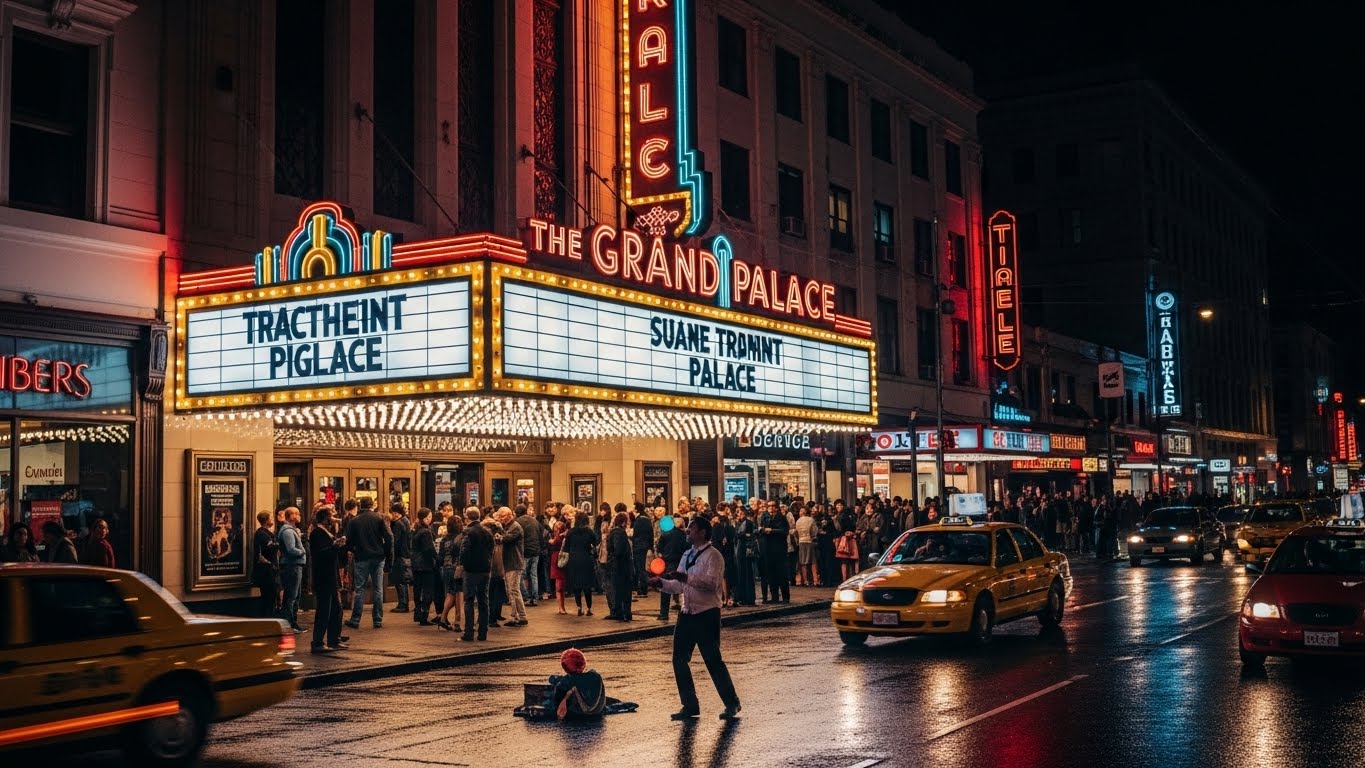
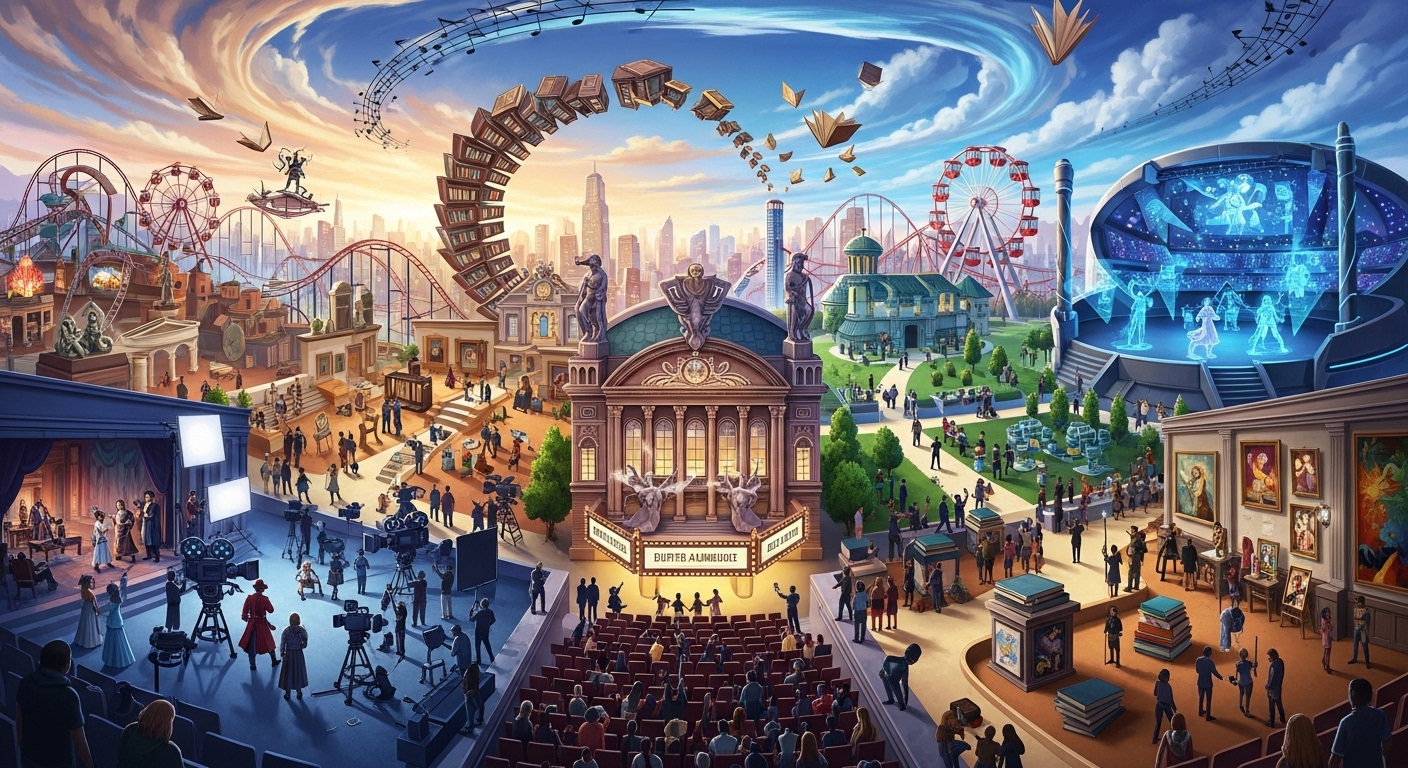
Entertainment is not limited to one medium. It exists in music, film, television, literature, sports, theatre, gaming, and now even digital spaces. It reflects our values and aspirations. It brings people together and allows them to experience emotions they might not otherwise explore. As societies evolve, so do the forms of entertainment that define them.
This blog will explore how entertainment has changed through time, why it matters so deeply to humanity, and how it continues to grow in today’s technology-driven world.
The Ancient Roots of Entertainment
The origins of entertainment stretch back thousands of years. Before written history, early humans entertained one another with stories, dances, and rituals. These were not just forms of amusement; they were ways to communicate culture, teach lessons, and build community. Storytelling was one of the earliest forms of entertainment, where elders shared tales of gods, heroes, and spirits around campfires.
Music also played an essential role in early entertainment. Primitive instruments made of bones, wood, and animal hides were used in rituals and celebrations. Dance was both an expression of joy and a way to tell stories without words. These early performances helped create shared experiences that strengthened social bonds.
In ancient civilizations like Egypt, Greece, China, and India, entertainment became more organized and artistic. The Greeks invented theater, performing dramas that explored love, tragedy, and morality. Ancient Egyptians used music and drama in religious ceremonies. In Rome, gladiatorial games and grand spectacles entertained the masses, showing how entertainment could reflect both beauty and brutality. These early forms laid the foundation for all modern art and performance.
The Artistic Renaissance
The Renaissance marked a golden age for entertainment and creativity. Art, music, and literature flourished, and theatre became more sophisticated. This was the era that gave birth to Shakespeare’s plays, Leonardo da Vinci’s paintings, and classical music compositions that still inspire people today. Entertainment became a mirror for human intellect and imagination.
During this period, storytelling evolved beyond myths and legends. Writers began exploring human nature, emotions, and society. Audiences flocked to theaters to experience drama and comedy performed live. Art became more accessible to the public, and music started to develop new forms such as operas and symphonies.
The Renaissance also gave rise to a deeper understanding of performance and audience connection. Artists were no longer just entertainers; they were thinkers, philosophers, and innovators. Entertainment became a bridge between intellect and pleasure.
The Birth of Modern Entertainment
The Industrial Revolution transformed entertainment into a widespread, organized industry. With urbanization and technological progress, more people gained access to theaters, circuses, and public events. The invention of photography, and later motion pictures, changed how stories were told forever.
By the late nineteenth and early twentieth centuries, cinema became the new form of mass entertainment. The silent film era captured imagination through visuals alone, and the introduction of sound revolutionized storytelling. Hollywood emerged as the heart of the movie world, producing stars who became symbols of glamour and dreams.
At the same time, radio brought entertainment into homes. People gathered around to listen to dramas, comedies, and music broadcasts. It connected distant communities through shared listening experiences. Soon after, television took this concept further, creating a new era where families watched together every evening.
Entertainment was no longer just local or limited by geography. It became global. Movies, songs, and shows could reach millions across continents, influencing culture and language.
The Role of Music in Shaping Entertainment
Music has always been one of the most powerful forms of entertainment because it speaks directly to the human soul. It can express emotions that words cannot. Every culture on Earth has its unique musical traditions, and every generation has used music to define its identity.
In the twentieth century, music underwent dramatic transformations. The rise of jazz, rock and roll, pop, hip-hop, and electronic music reshaped global culture. Each genre carried its own message, style, and influence. The Beatles changed how people listened to music, while artists like Bob Dylan and Aretha Franklin used it to voice social and political movements.
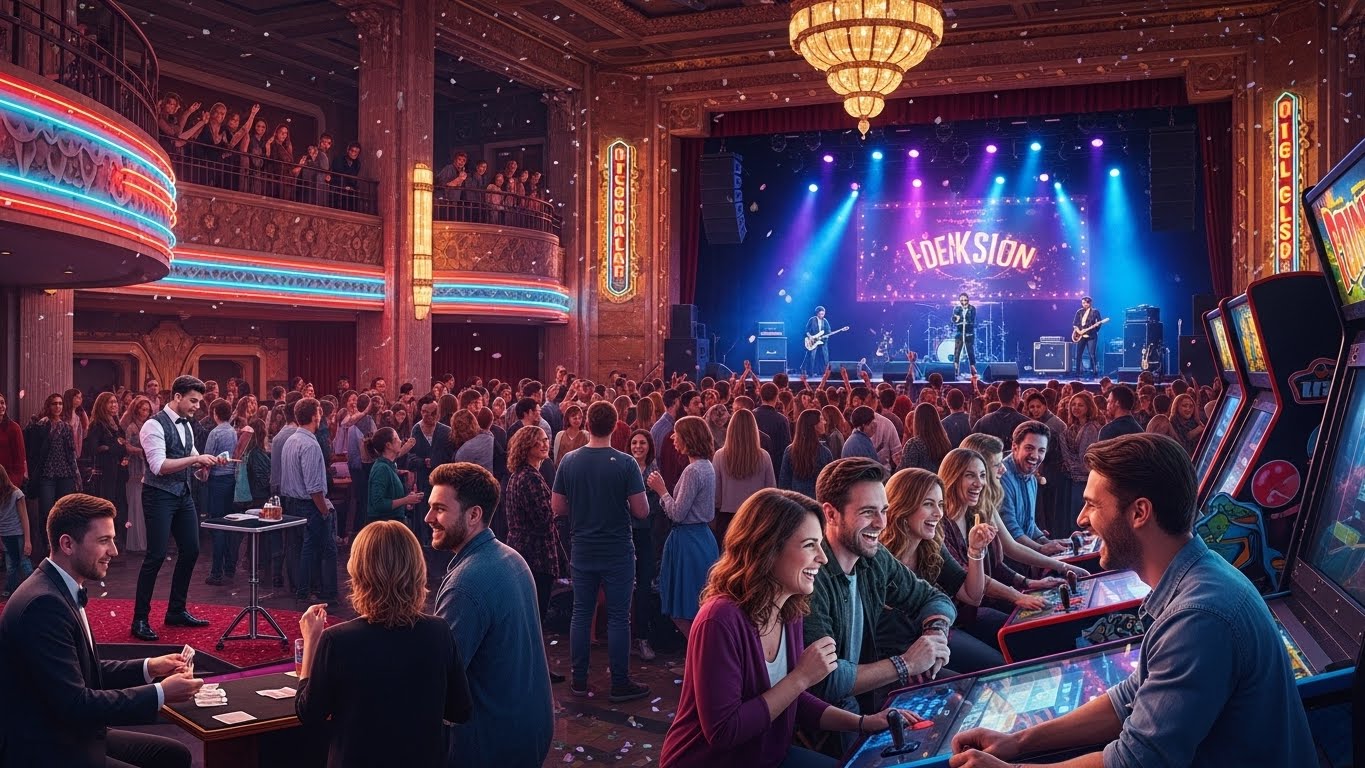
Concerts became experiences of collective joy. Thousands would gather to sing, dance, and celebrate together. Music festivals symbolized freedom and connection. Even today, music remains one of the most unifying forces in entertainment, bridging generations and cultures through rhythm and melody.
The Golden Age of Cinema
Cinema became the art form of the twentieth century. It combined storytelling, visual art, acting, and music into one immersive experience. From black-and-white silent films to today’s digital blockbusters, movies have captured every aspect of the human condition.
Classic films such as Casablanca, The Godfather, and Gone with the Wind showed how powerful storytelling could be. Audiences laughed, cried, and dreamed through the lens of the silver screen. Cinema introduced timeless characters, unforgettable dialogues, and emotions that transcended borders.
Hollywood was not the only center of filmmaking. Other countries developed their own strong film industries. French cinema explored art and philosophy, Indian cinema blended music and drama, and Japanese filmmakers brought poetic visual storytelling. The diversity of film continues to expand, reflecting different cultures and perspectives.
Today, cinema continues to evolve with technology. Special effects, computer-generated imagery, and virtual production have opened new possibilities. Yet the essence of film remains the same: the desire to tell stories that touch hearts and inspire minds.
The Rise of Television
When television entered homes in the mid-twentieth century, it changed entertainment forever. Families could now enjoy shows, news, and performances without leaving their living rooms. It became the window to the world, offering a mix of education, drama, and fun.
Television gave birth to legendary shows, from sitcoms to game shows and news programs. It became a part of daily routine, shaping how people spent their evenings. In the 1980s and 1990s, cable television brought even more variety. Viewers could choose from hundreds of channels covering every interest imaginable.
Television also became a platform for major cultural moments. Sports events, award shows, and live broadcasts united millions at the same time. Today, even as streaming takes over, television continues to evolve with new forms of storytelling, reality shows, and series that rival the depth of cinema.
The Digital Revolution and Streaming Era
The internet changed everything. Entertainment became digital, portable, and global. Streaming platforms allowed audiences to watch movies, shows, and videos anytime, anywhere. The power shifted from traditional studios to creators who could reach millions directly online.
This new era of entertainment broke barriers. Independent filmmakers, musicians, and comedians could publish their work without big companies. Social media turned everyday people into influencers and entertainers. Viral trends, memes, and videos became part of pop culture overnight.
Streaming also encouraged diversity. Viewers from all over the world could explore stories from different cultures. It allowed artists to experiment, and audiences to find niche content that suited their unique tastes.
The convenience of digital entertainment also brought new challenges. With so much content available, competition for attention is fierce. Yet creativity continues to thrive as artists adapt to the changing landscape.
The Gaming Phenomenon
Video games are no longer just children’s toys. They are a massive entertainment industry, blending art, storytelling, and technology. Modern games offer immersive worlds, complex characters, and emotional depth. They engage players as participants, not just observers.
Gaming has become a social experience. Online multiplayer games connect people across continents. Players team up, compete, and even form lifelong friendships in virtual worlds. Esports tournaments now attract millions of viewers and generate global excitement.
The rise of virtual reality and augmented reality has made gaming even more realistic. Players can step inside the game world, interacting with it directly. This interactive form of entertainment represents the future of storytelling — one that allows audiences to live the story rather than just watch it.
The Role of Celebrities in Modern Entertainment
The idea of fame has changed drastically over time. In the early days of cinema and music, celebrities were distant icons. People admired them from afar. Today, social media has made stars more accessible. Fans can follow their daily lives, opinions, and behind-the-scenes moments.
Celebrities play a huge role in shaping trends, fashion, and even social issues. They are not just entertainers but influencers with global voices. Some use their platforms for advocacy, while others focus on building personal brands.
However, the rise of digital fame also comes with pressure. The constant visibility of social media can make stardom overwhelming. Still, the fascination with celebrity culture remains strong. People look up to entertainers as symbols of success, style, and aspiration.
The Emotional Importance of Entertainment
Entertainment is not just about fun. It fulfills emotional and psychological needs. People watch movies, listen to music, or play games to escape stress, find comfort, or express themselves. It helps individuals cope with challenges and explore emotions they might not face in real life.
Art and entertainment also foster empathy. When we watch a film or read a story, we experience life through another person’s eyes. It broadens our understanding of humanity. Laughter, tears, and excitement are universal languages that bring people together.
In times of crisis, entertainment offers hope. During difficult periods in history, people have always turned to music, films, and humor to find strength. It reminds us that even in struggle, creativity endures.
The Future of Entertainment
The future of entertainment will be shaped by technology, imagination, and interactivity. Artificial intelligence is already being used to create music, write scripts, and generate art. Virtual and augmented reality will make storytelling more immersive, allowing audiences to experience content in new ways.
The metaverse — a digital universe where people can socialize, play, and create — represents the next major step in entertainment. It will merge gaming, cinema, and live performance into a single shared experience. Entertainment will become more participatory and personalized than ever before.
Yet, despite all the technological advances, the core of entertainment will remain human creativity. The need to connect, express, and feel will always drive it. Whether through a hand-drawn animation or a virtual reality concert, what truly matters is emotion.
Conclusion
Entertainment is not just an escape; it is a reflection of who we are. It tells our stories, captures our dreams, and binds us together through shared experiences. From ancient storytelling to futuristic virtual worlds, entertainment continues to evolve while preserving its timeless purpose — to move hearts and inspire minds.
It celebrates imagination and reminds us of the power of creativity. It has shaped cultures, challenged ideas, and brought joy to billions. As long as humanity exists, the desire to create and enjoy entertainment will never fade. It is our universal language, our mirror, and our greatest form of expression.