The Evolution of Entertainment: How Technology Has Transformed Our Fun
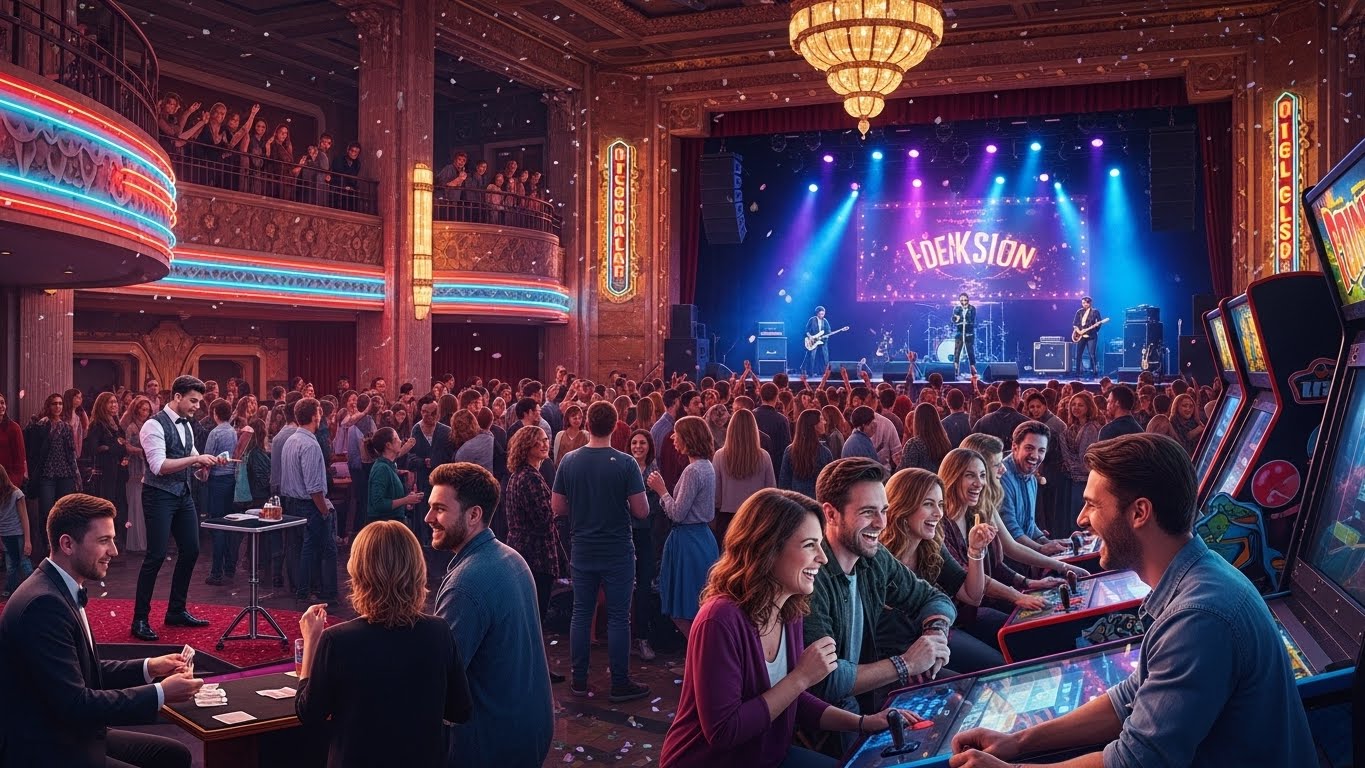
Entertainment has always been a key part of human culture, offering an escape from the monotony of everyday life. Over the years, the way we experience entertainment has undergone dramatic transformations, particularly with the advent of new technologies. From the earliest days of theater to the rise of streaming platforms, our definition of what constitutes fun and leisure has evolved. This blog explores how entertainment has changed, the role technology plays in this evolution, and how our entertainment consumption habits may look in the future.
The Early Days of Entertainment: A Simpler Time
Historically, entertainment was largely a communal activity. Before the advent of mass media, people relied on live performances, storytelling, and other face-to-face forms of entertainment. Ancient civilizations like the Greeks and Romans enjoyed public theater, while other cultures developed their own versions of musical performances, dancing, and festivals.
In the 19th century, entertainment began to shift with the development of new technologies such as the printing press, which allowed for the mass production of books, newspapers, and magazines. This shift made entertainment more accessible to the public, even outside of urban centers, setting the stage for the entertainment explosion that would occur in the 20th century.
The Rise of Cinema: Entertainment Gets Bigger
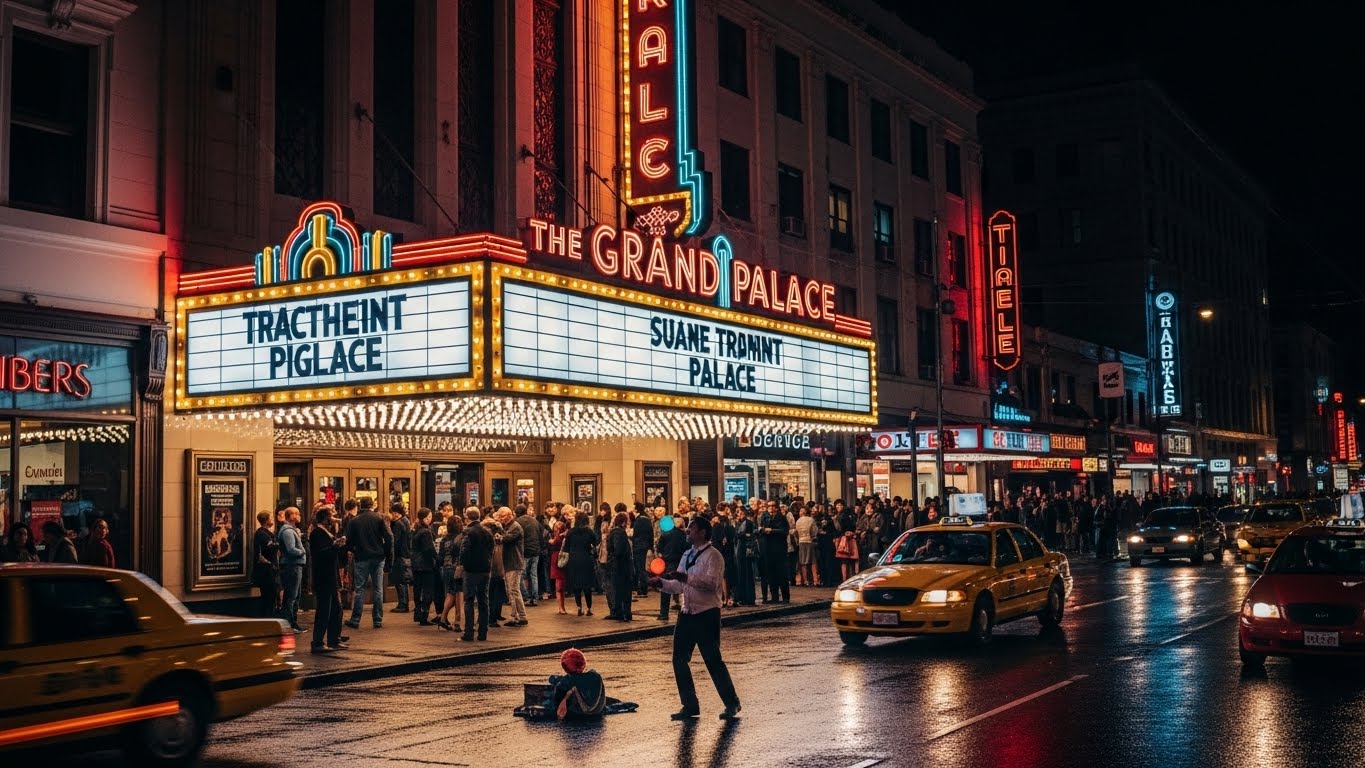
The 20th century saw one of the most significant shifts in entertainment: the rise of cinema. With the invention of the motion picture, people could now watch stories unfold on the big screen. This revolutionary technology not only created new opportunities for storytelling but also opened up new business models and industries, such as Hollywood.
The film industry quickly became a central form of entertainment, with movies becoming a cultural phenomenon. In the early years, films were silent, but the introduction of sound in the late 1920s changed the game. This new medium allowed filmmakers to experiment with dialogue, soundtracks, and sound effects, enriching the storytelling experience.
By the mid-20th century, television had emerged as the new home entertainment option. Families could now sit down together and watch movies or TV shows at home, an experience that was once confined to the theater. This change significantly impacted how people consumed entertainment, as it became a more private and accessible activity.
The Digital Revolution: The Internet Takes Over
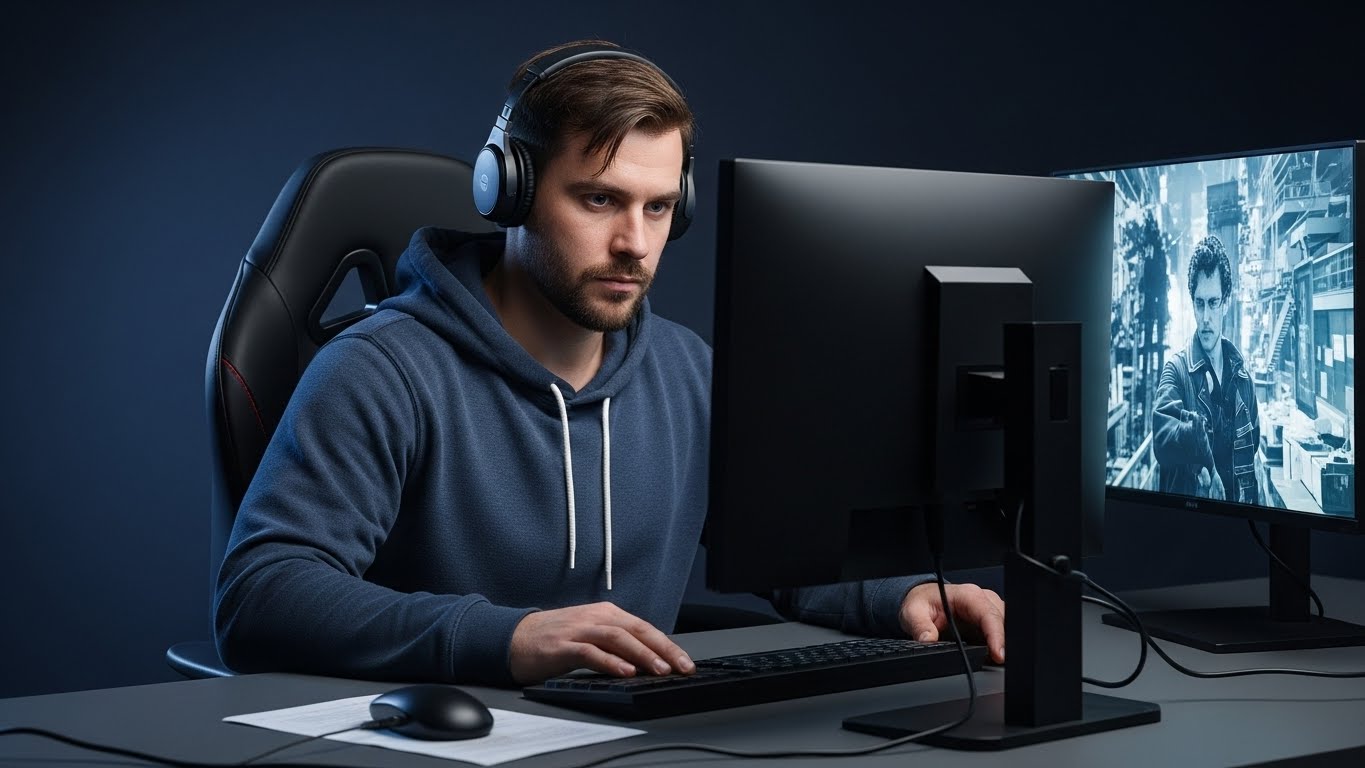
The late 20th and early 21st centuries brought the rise of the internet, a game-changing force that dramatically altered the landscape of entertainment. In the past, entertainment was delivered through traditional means such as TV channels, radio, and movie theaters. However, the internet opened up entirely new possibilities.
With the advent of digital media, people no longer had to rely on physical formats like VHS tapes, CDs, or DVDs. Content became digital, and the internet became a central hub for entertainment consumption. Streaming services like YouTube, Netflix, and Hulu offered on-demand access to movies, TV shows, and other forms of entertainment, eliminating the need for traditional cable TV or theater trips.
This shift also led to the democratization of content creation. Anyone with a camera and an internet connection could create and share their work with a global audience. Independent filmmakers, musicians, and artists no longer had to go through the traditional gatekeepers of the entertainment industry. This marked the rise of platforms like YouTube, Instagram, and TikTok, where anyone could gain fame and a following by creating unique, engaging content.
The Mobile Revolution: Entertainment in Your Pocket
As smartphones became ubiquitous, they further revolutionized how we access and engage with entertainment. With apps for streaming video, music, games, and even live TV, the smartphone became the ultimate entertainment device. No longer did people have to be tied to a television or computer screen. Entertainment could be enjoyed on the go, whether on a commute, waiting in line, or even while relaxing in bed.
Mobile gaming also became a significant part of the entertainment landscape. Games like Angry Birds, Pokémon Go, and Fortnite have become cultural phenomena, attracting millions of players worldwide. These games not only offer fun and engagement but also provide social experiences, allowing players to connect with friends or strangers globally.
Moreover, mobile devices allowed for the rise of new forms of interactive entertainment. Augmented reality (AR) and virtual reality (VR) are now providing experiences that were once unimaginable. Whether it’s stepping into a VR world for a fully immersive experience or playing an AR game that blends digital content with the real world, the possibilities for entertainment seem limitless.
Streaming Services: The Age of On-Demand Content
Arguably, one of the most significant changes in recent years has been the rise of streaming platforms. Services like Netflix, Disney+, Amazon Prime Video, and Spotify have completely changed the way we consume entertainment. Rather than watching scheduled programming or purchasing physical media, users can now choose exactly what to watch or listen to, and when, all from the comfort of their own homes.
Streaming services have disrupted traditional models of media consumption, especially in the television and music industries. TV networks and cable companies are no longer the gatekeepers of content; streaming platforms now offer a vast library of shows, movies, and music. This has created more opportunities for niche content, with platforms producing original programming that appeals to specific audiences. Netflix, for example, has become known for its original content, such as Stranger Things, The Witcher, and The Crown, which has helped it gain millions of subscribers worldwide.
The convenience of streaming has also given rise to the concept of “binge-watching.” With entire seasons of shows available at once, viewers can watch episodes back-to-back, an experience that was once reserved for marathons or long weekends. This shift has had a profound impact on how we view entertainment, with many now preferring the flexibility and on-demand nature of streaming services over traditional TV broadcasts.
Social Media and Influencers: The New Entertainment Powerhouses
Along with streaming, social media has also played a pivotal role in shaping modern entertainment. Platforms like Instagram, Twitter, and TikTok have become major sources of entertainment, offering a space for individuals to showcase their creativity and gain large followings. Social media influencers, who have cultivated massive online communities, are now as influential as traditional celebrities.
Influencers have become the new stars of the entertainment world, with many using their platforms to promote products, collaborate with brands, and create original content. The rise of influencers has led to the creation of an entirely new type of entertainment—one that is deeply interactive, personal, and engaging. Fans can comment, like, share, and even communicate directly with their favorite creators, making the experience far more participatory than passive forms of traditional entertainment.
The shift toward influencer-driven entertainment is reshaping industries like advertising, fashion, and even politics. Celebrities are no longer the sole influencers; everyday people with unique personalities, talents, and niches can build massive followings and command significant influence in the entertainment space.
The Future of Entertainment: What’s Next?
Looking ahead, the future of entertainment seems both exciting and uncertain. We are already seeing the rise of interactive media, such as virtual reality (VR) and augmented reality (AR), which promise to create even more immersive experiences. VR headsets allow people to enter fully interactive digital worlds, whether it’s for gaming, movies, or educational experiences. AR, on the other hand, overlays digital information onto the real world, offering a hybrid of physical and virtual experiences that could transform everything from gaming to shopping to entertainment itself.
Artificial intelligence (AI) is also poised to play a significant role in the future of entertainment. AI algorithms are already used to personalize recommendations on platforms like Netflix and Spotify. However, in the future, AI could be used to create content, from scriptwriting and music composition to generating visual effects and even performing as virtual actors. As AI becomes more sophisticated, it may offer new possibilities for creating entirely new forms of interactive entertainment.
The rise of 5G technology will also further enhance our ability to consume and create entertainment. With faster internet speeds and reduced latency, people will be able to stream high-quality videos, participate in immersive AR/VR experiences, and interact with real-time content in ways that were previously not possible.
Conclusion: Entertainment Continues to Evolve
From the early days of communal theater to the digital age of on-demand streaming, the entertainment landscape has undergone dramatic changes over the past century. Technology has not only expanded the ways in which we consume entertainment but has also opened up new avenues for creators to connect with audiences.
As technology continues to advance, we can expect entertainment to become even more personalized, interactive, and immersive. With VR, AR, and AI on the horizon, the future of entertainment promises to be an exciting blend of reality and virtuality, providing endless opportunities for creativity and enjoyment.
Ultimately, entertainment is more than just a form of distraction; it’s a way to bring people together, foster creativity, and reflect the culture of our time. As technology advances, the future of entertainment will continue to be shaped by the ways we engage with it and the experiences it offers.