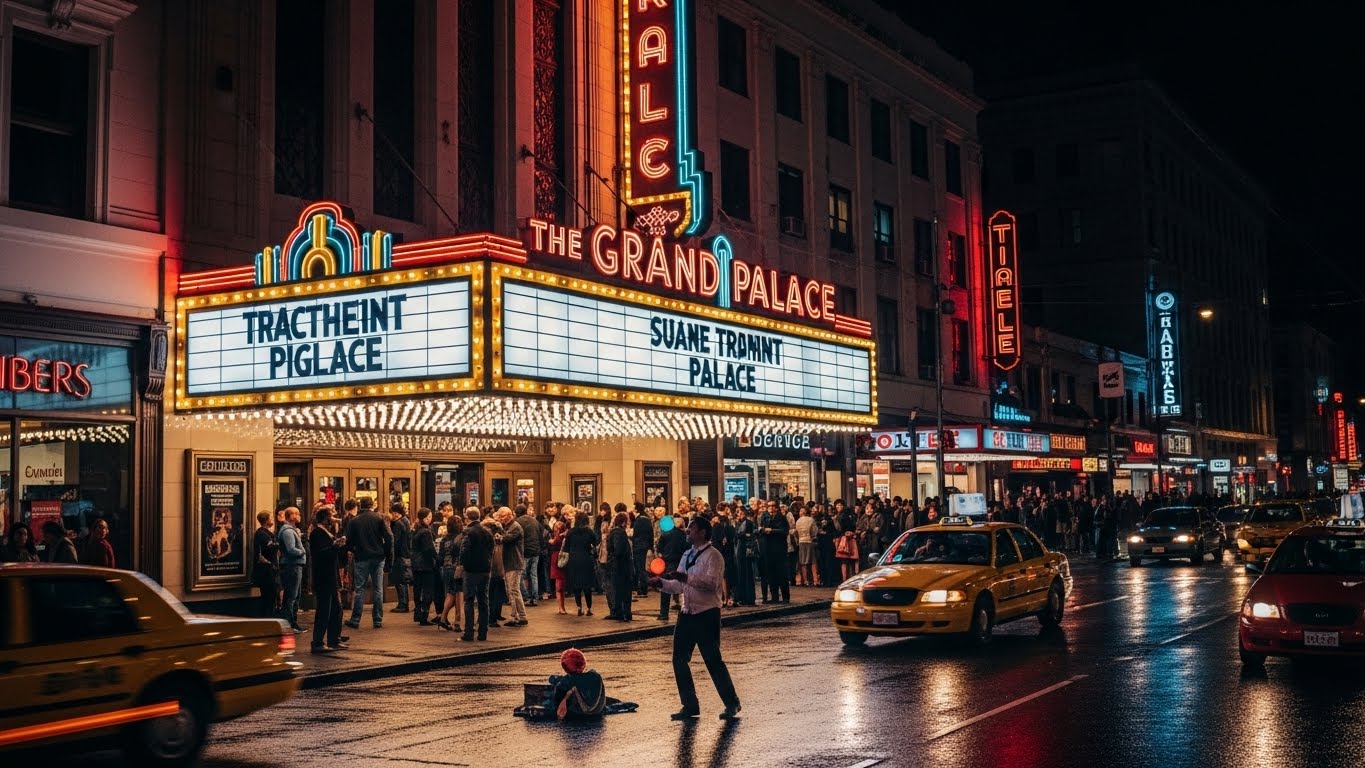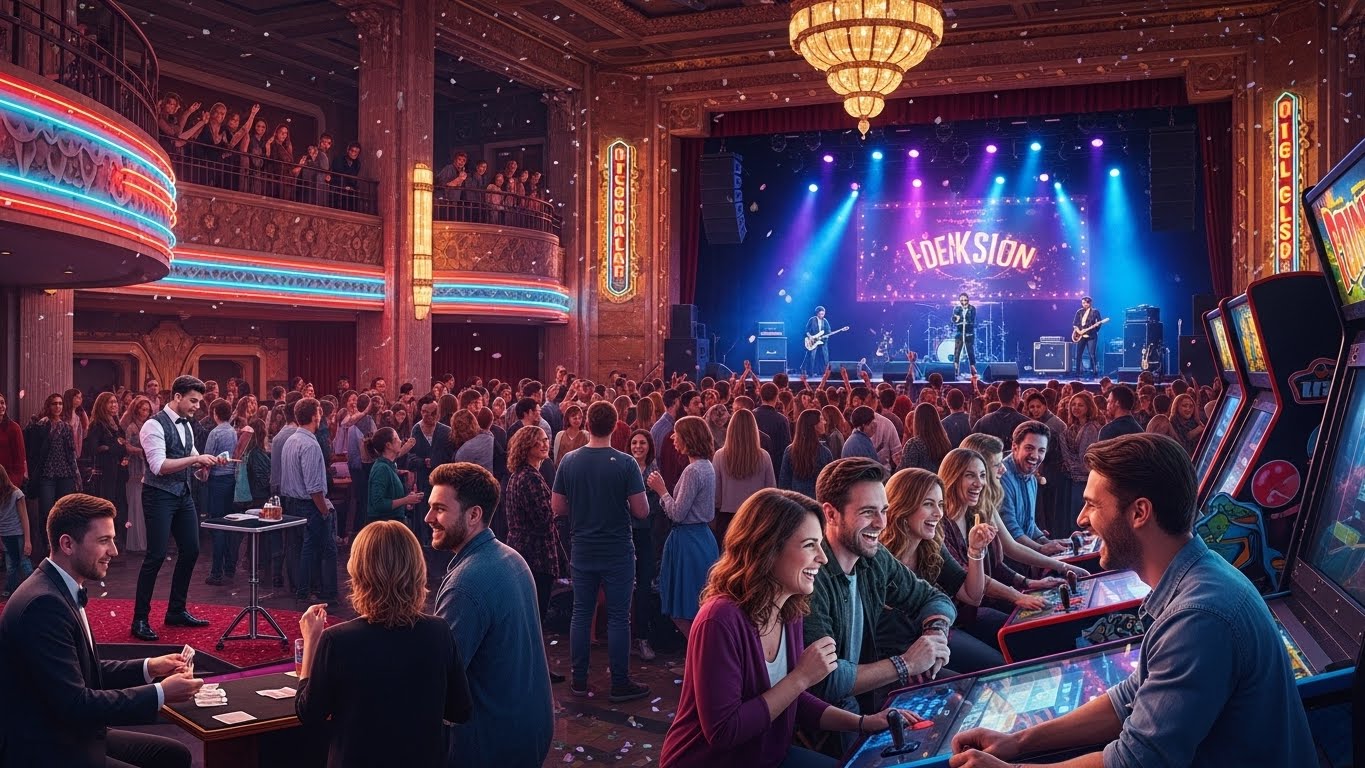

Entertainment has been an integral part of human society for centuries, evolving with time and technology. It has transcended from simple forms like storytelling around a campfire to the sophisticated, immersive experiences we enjoy today. The landscape of entertainment has changed dramatically, particularly in the 21st century. Today, digital platforms, social media, and streaming services dominate, offering on-demand content to audiences worldwide. This blog delves into the evolution of entertainment, from its traditional forms to the current digital revolution, and explores how these shifts have affected the way we consume, engage with, and create entertainment.
The Origins of Entertainment
Before the advent of modern technology, entertainment was simple, communal, and rooted in oral traditions. In ancient societies, entertainment primarily consisted of storytelling, music, dance, and theatrical performances. These forms of entertainment were often shared in close-knit communities, with people gathering in town squares, village centers, or around campfires. The purpose of entertainment back then was twofold: to provide joy and relaxation, and to preserve cultural narratives, customs, and beliefs.
Storytelling was perhaps the oldest form of entertainment. Through stories, societies passed down traditions, shared moral lessons, and entertained each other. These stories were often myths or legends, meant to explain natural phenomena or cultural norms. Similarly, music and dance were essential to many cultures, used to express emotions, celebrate victories, or accompany religious rituals. These simple yet powerful forms of entertainment created a sense of belonging and community.
As civilizations grew, so did the complexity of entertainment. The Greek and Roman empires introduced dramatic performances and public spectacles, such as gladiatorial games and chariot races, which attracted large crowds. Theater became a prominent form of entertainment, and playwrights like Sophocles and Euripides created timeless works that are still studied today.
The Rise of Print and Mass Media
The development of the printing press in the 15th century brought about a major shift in the entertainment landscape. For the first time in history, written materials could be mass-produced, making entertainment more widely accessible. Books, plays, and pamphlets became available to the general public, which sparked a newfound interest in literature and the arts.
In the 18th and 19th centuries, newspapers and magazines became the primary sources of information and entertainment for the masses. People could read about current events, gossip, serialized stories, and even advice columns. As literacy rates improved, entertainment became more democratized, and people from various social classes could partake in the cultural life of their time.
The Industrial Revolution in the 19th century further revolutionized entertainment by introducing theater, vaudeville, and circus performances as popular pastimes. These forms of live entertainment reached larger audiences, as theaters became more accessible to the general public. The rise of radio and television in the 20th century marked another major turning point. These new forms of mass media brought entertainment into the homes of millions of people, changing the way we consumed content.
The Advent of Radio and Television
Radio emerged in the early 20th century, offering real-time broadcasts of music, news, and drama. By the 1920s, radio stations began transmitting entertainment programs, and people could listen to live performances from the comfort of their homes. The radio provided a shared cultural experience, as families gathered around their radios to enjoy music, stories, and news broadcasts.
The Golden Age of Radio, which lasted from the 1930s to the 1950s, was a time when radio was the dominant form of entertainment. Radio programs such as “The Shadow,” “Lux Radio Theater,” and “The Lone Ranger” became household names, offering everything from comedy to drama. For the first time, people could hear voices from far away, making them feel more connected to the world outside their immediate environment.
However, radio’s reign was relatively short-lived, as the invention of television soon surpassed it. In the 1950s, television revolutionized entertainment by combining visual and auditory stimuli. The ability to watch moving images and hear sound changed the way stories were told and consumed. With the rise of TV shows, movies, and commercials, television became the primary source of entertainment for families worldwide.
Prime-time TV shows such as “I Love Lucy,” “The Ed Sullivan Show,” and “The Twilight Zone” became cultural touchstones, drawing millions of viewers each week. By the 1960s and 1970s, color television and cable TV expanded viewing options, offering more channels and diverse content. Television not only served as a source of entertainment but also as a tool for social influence, shaping public opinion and cultural norms.
The Digital Revolution: The Internet and Streaming Services
The most profound shift in entertainment came with the rise of the Internet and the digital revolution. In the late 20th century, the World Wide Web opened up new possibilities for entertainment. Initially, the Internet served as a medium for text-based content, such as blogs, forums, and news articles. However, as broadband Internet became widely available, the ability to stream multimedia content changed the way people engaged with entertainment.
Early digital entertainment consisted of online games, music downloads, and video-sharing websites like YouTube, which was founded in 2005. YouTube allowed anyone with an Internet connection to upload videos, making it a hub for amateur creators and viral content. The platform’s success demonstrated the power of digital content creation, allowing people from all walks of life to share their creativity with the world.
One of the most significant developments in digital entertainment has been the rise of streaming services. In the early 2000s, platforms like Netflix, Hulu, and Spotify revolutionized how people consumed media. These services offered on-demand access to movies, TV shows, and music for a low subscription fee. The streaming model was far more convenient than traditional cable or satellite television, allowing users to watch content whenever they wanted, on their own schedules.
The shift to digital streaming also brought about the decline of physical media like DVDs and CDs. Instead of purchasing individual movies or albums, people could now access a vast library of content with just a few clicks. This change gave rise to binge-watching, a new way of consuming TV shows and movies. Platforms like Netflix made entire seasons of shows available at once, encouraging viewers to watch multiple episodes in one sitting. This shift in viewing habits has had a lasting impact on the entertainment industry.
In recent years, streaming services have expanded their offerings to include original content. Netflix, Amazon Prime Video, and Disney+ have invested heavily in creating exclusive films and TV series, which has resulted in the rise of streaming-first content. This shift has disrupted traditional movie studios and networks, forcing them to adapt to the new digital age.
The Social Media Revolution
In addition to streaming, social media has played a pivotal role in shaping modern entertainment. Platforms like Facebook, Instagram, Twitter, and TikTok have created new forms of entertainment and engagement. Social media allows users to interact with their favorite celebrities, influencers, and brands in real-time, creating a more personalized and interactive entertainment experience.
One of the key aspects of social media entertainment is the rise of user-generated content. Social media platforms enable ordinary people to share their talents, creativity, and opinions with the world. Whether it’s through viral dance challenges, funny memes, or short videos, social media has democratized entertainment creation. Influencers, who have amassed large followings on platforms like YouTube and Instagram, have become major players in the entertainment industry, often partnering with brands and companies to promote products and services.
Platforms like TikTok have revolutionized entertainment by enabling short-form content that is easily shareable and accessible. The app’s algorithm, which promotes viral content, has made stars out of ordinary users and has even influenced music charts. The rise of social media influencers has shifted the traditional power dynamics of the entertainment industry, as creators no longer need traditional gatekeepers like movie studios or television networks to reach their audience.
The Future of Entertainment
As we look to the future, it is clear that technology will continue to shape and redefine entertainment. The rise of virtual reality (VR) and augmented reality (AR) will likely play a major role in the next phase of entertainment. These technologies have the potential to create fully immersive experiences that blur the line between reality and fantasy. VR gaming, for example, allows players to step inside a digital world, while AR can overlay digital elements onto the real world, creating interactive experiences.
Moreover, the rise of artificial intelligence (AI) and machine learning may influence content creation and curation. AI-powered algorithms already recommend movies, TV shows, and music to users based on their preferences, and this technology is expected to evolve further. In the future, AI may even be used to create personalized entertainment experiences, where content is tailored specifically to an individual’s tastes and preferences.
The increasing importance of interactive storytelling is another trend that will shape the future of entertainment. Games like The Last of Us and Detroit: Become Human have demonstrated the power of interactive narratives, where players make choices that influence the outcome of the story. In the coming years, we may see more TV shows and movies adopt interactive elements, allowing viewers to make decisions that impact the storyline.
Conclusion
Entertainment has come a long way from its humble beginnings in ancient rituals and storytelling. Today, it is a multi-billion-dollar industry that spans across various mediums, from television and film to social media and video games. The digital revolution has democratized entertainment, allowing more people to participate in content creation and consume media on their own terms.
As technology continues to evolve, the entertainment industry will keep changing, offering new and innovative ways to engage with stories, games, and experiences. One thing remains constant: entertainment will always be a reflection of the human desire for connection, expression, and joy. Whether it’s through traditional forms like music and theater or the latest digital innovations, entertainment will continue to captivate, inspire, and unite us for generations to come.