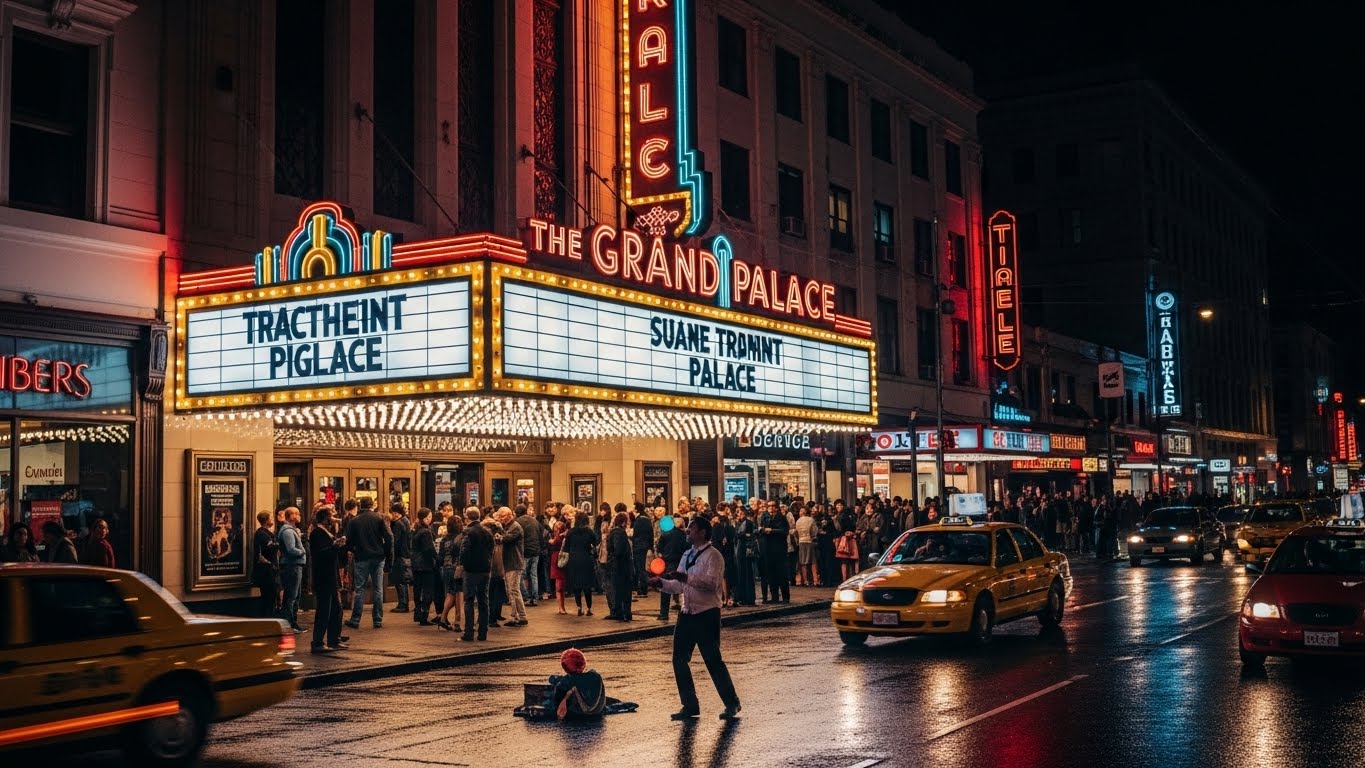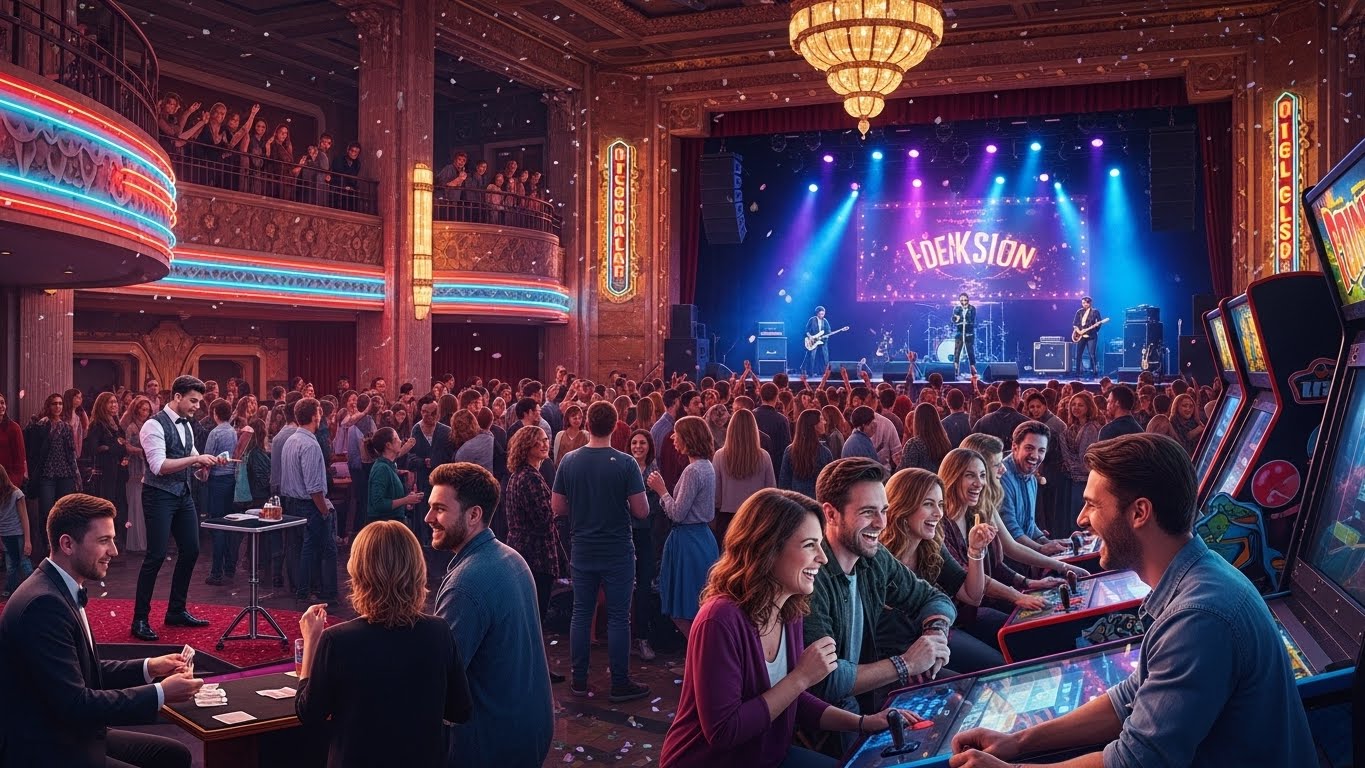

Entertainment has been an integral part of human culture for centuries. From ancient rituals and theatrical performances to modern-day streaming platforms and virtual reality experiences, entertainment has continually evolved to meet the changing tastes, technological advancements, and societal shifts. This blog post will explore the fascinating journey of entertainment, examining its transformation over the years and how it shapes our lives today.
The Birth of Entertainment: Primitive Beginnings
In the earliest days of human existence, entertainment was rooted in survival and community bonding. Early humans used storytelling, music, and dance as forms of expression. These activities were more than just leisure; they played essential roles in preserving culture, passing down knowledge, and fostering social connections.
The cave paintings of Lascaux and the musical instruments from prehistoric times suggest that humans have always sought to entertain themselves and others. The first forms of entertainment were not just about amusement, but also about creating a shared experience within a group, whether it was around a fire or in a communal space.
The Rise of Theatre: A Step Towards Organized Entertainment
The ancient Greeks were pioneers in the field of organized entertainment. They are credited with creating the first forms of theatre, which combined storytelling, music, and dance. Theatre festivals, like the Dionysia in Athens, became major events in ancient Greece, drawing large crowds to watch plays by the likes of Sophocles, Euripides, and Aeschylus.
Roman civilization carried forward the theatrical traditions, adding gladiatorial games, chariot races, and public executions to the mix. Entertainment during these times was a tool of political power, with emperors and rulers using it to maintain control over the masses by offering spectacles and games to distract and pacify the population.
The Medieval Era: Entertainment Shaped by Religion and Royalty
During the Middle Ages, entertainment took on a different form. Religion was the dominant force in Europe, and much of the entertainment was tied to religious observances. Mystery plays, morality plays, and religious pageants were performed in towns and villages. These performances were often based on biblical stories and were designed to teach moral lessons to the illiterate masses.
Simultaneously, royalty and the aristocracy began to develop their own entertainment. Jousting tournaments, banquets, and the first operas were all part of the cultural landscape of medieval Europe. Entertainment during this period was often a symbol of status and wealth, with monarchs commissioning elaborate performances to showcase their power and sophistication.
The Renaissance and the Birth of Modern Entertainment
The Renaissance was a period of cultural rebirth that profoundly impacted entertainment. The rediscovery of classical Greek and Roman ideals led to a flourishing of the arts. Theatre became more sophisticated, and the works of William Shakespeare, Christopher Marlowe, and Ben Jonson became central to English entertainment.
Shakespeare’s plays, for example, were performed at the Globe Theatre in London, and they attracted large, diverse audiences, from the upper classes to the working poor. His works explored human nature, politics, and love, making them relevant to a broad range of people. This era also saw the rise of opera and ballet as forms of artistic expression, with composers like Johann Sebastian Bach and Wolfgang Amadeus Mozart shaping the course of music history.
The printing press, invented by Johannes Gutenberg in the mid-15th century, also had a profound impact on entertainment. It made books more widely available, leading to the rise of literature as a form of popular entertainment. This new access to books also laid the groundwork for the development of mass media in later centuries.
The Industrial Revolution: Entertainment for the Masses
The 19th century, with its rapid industrialization and urbanization, changed the landscape of entertainment dramatically. With the rise of the middle class, new forms of leisure and amusement became available to a broader segment of society. The introduction of the steam-powered printing press allowed newspapers, magazines, and novels to reach wider audiences, while the development of photography brought about new forms of visual entertainment.
In the latter half of the century, the invention of motion pictures by pioneers like Thomas Edison and the Lumière brothers would revolutionize the world of entertainment. Cinema quickly became a dominant force, with Hollywood emerging as the epicenter of the film industry in the early 20th century. The first silent films, followed by the advent of sound, opened up new worlds of storytelling and creativity, captivating audiences around the globe.
The Golden Age of Television: The Birth of a New Era
The 20th century saw the rise of television as the dominant form of entertainment. With the invention and mass production of television sets in the 1940s and 1950s, families began to gather around their screens for nightly entertainment. TV shows, dramas, news programs, and sitcoms became a part of daily life.
In the 1950s and 1960s, television saw the birth of iconic programs like “I Love Lucy,” “The Ed Sullivan Show,” and “The Twilight Zone.” These shows became cultural touchstones, influencing everything from fashion to social norms. By the 1970s and 1980s, television networks began to compete for audiences, leading to the rise of cable television and the eventual explosion of channels and content options.
The 1980s also saw the birth of video games as a form of entertainment. The first home video game consoles, such as the Atari 2600, brought arcade games into people’s homes, creating a new form of interactive entertainment that would go on to dominate the entertainment landscape for decades.
The Digital Revolution: Entertainment at Our Fingertips
The late 20th and early 21st centuries brought about the digital revolution, transforming the entertainment industry in ways previously unimaginable. The rise of the internet and the development of digital media allowed for the democratization of entertainment. No longer were audiences dependent on television networks or movie studios to access entertainment. The rise of platforms like YouTube, Netflix, and Spotify made it possible for anyone with an internet connection to access a vast array of content at the touch of a button.
Streaming services like Netflix and Hulu have changed the way we consume television and film. The concept of “binge-watching” entire seasons of shows has become a cultural phenomenon, and the quality of original content produced by streaming services has rivaled that of traditional film studios.
Social media platforms like Instagram, TikTok, and Twitter have also become integral parts of modern entertainment. These platforms provide a space for both professionals and amateurs to share content and interact with audiences in real time. In many ways, social media has replaced traditional celebrity culture, allowing ordinary individuals to achieve fame and recognition without the backing of traditional media outlets.
The Future of Entertainment: Virtual Reality, AI, and Beyond
Looking to the future, the entertainment industry is poised to undergo yet another transformation. Virtual reality (VR) and augmented reality (AR) technologies are already beginning to change the way we experience entertainment. VR allows users to immerse themselves in entirely virtual worlds, while AR overlays digital content onto the real world, creating new opportunities for interactive and immersive experiences.
Artificial intelligence (AI) is also making its mark on entertainment. AI-driven content creation tools are already being used to generate everything from music to video games, and it’s likely that AI will play an increasingly significant role in the development of future entertainment experiences.
The metaverse, a virtual shared space that combines physical reality with digital elements, is another concept gaining traction in the entertainment industry. As companies like Meta (formerly Facebook) and others invest in building the metaverse, we could soon see a shift toward fully immersive, interactive entertainment experiences that blur the lines between the virtual and the real world.
Conclusion: Entertainment as an Ever-Evolving Reflection of Society
Entertainment has come a long way from its primitive origins, adapting to technological advances, social changes, and cultural shifts along the way. From the communal rituals of early humans to the cutting-edge technologies of today, entertainment has always reflected the values, concerns, and aspirations of society. It has served as both a mirror of our world and a window into new possibilities, allowing us to escape, connect, and explore the human condition.
As we look to the future, the next evolution of entertainment promises to be more immersive, interactive, and personalized than ever before. Whether through virtual reality, artificial intelligence, or entirely new forms of media, one thing is clear: entertainment will continue to be an essential part of human life, evolving alongside our ever-changing world.