The Ever-Evolving World of Entertainment: From Classic to Cutting-Edge
Entertainment has always been an essential part of human life. From ancient rituals to modern-day streaming services, entertainment in its various forms has been a means to escape reality, find joy, and even reflect on societal issues. In today’s world, where technology is advancing at an unprecedented rate, entertainment is continually evolving. This blog will explore the different facets of entertainment, from traditional forms to modern innovations, and how they impact our lives.
The Roots of Entertainment: A Glimpse into the Past
Historically, entertainment was mostly based on communal experiences. In ancient civilizations, storytelling, music, and dance were at the core of cultural expression. Whether it was in the form of Greek tragedies, Shakespearean plays, or folk songs, entertainment was not just a form of leisure—it was a way to convey important societal values, educate the masses, and bring people together.
Ancient Romans, for example, would gather in amphitheaters to witness gladiatorial games, chariot races, and theatrical performances. These activities were not only sources of entertainment but also political tools used by rulers to maintain control over the population. Meanwhile, in the East, India’s rich tradition of classical dance, drama, and music was performed as a way of preserving culture and religious practices.
As centuries passed, entertainment became more varied. With the advent of the printing press and, later, radio and television, the way people consumed entertainment began to shift. The 20th century saw the rise of cinema, radio shows, and television, creating new forms of entertainment that would eventually become global phenomena.
The Golden Age of Hollywood: A New Era of Entertainment
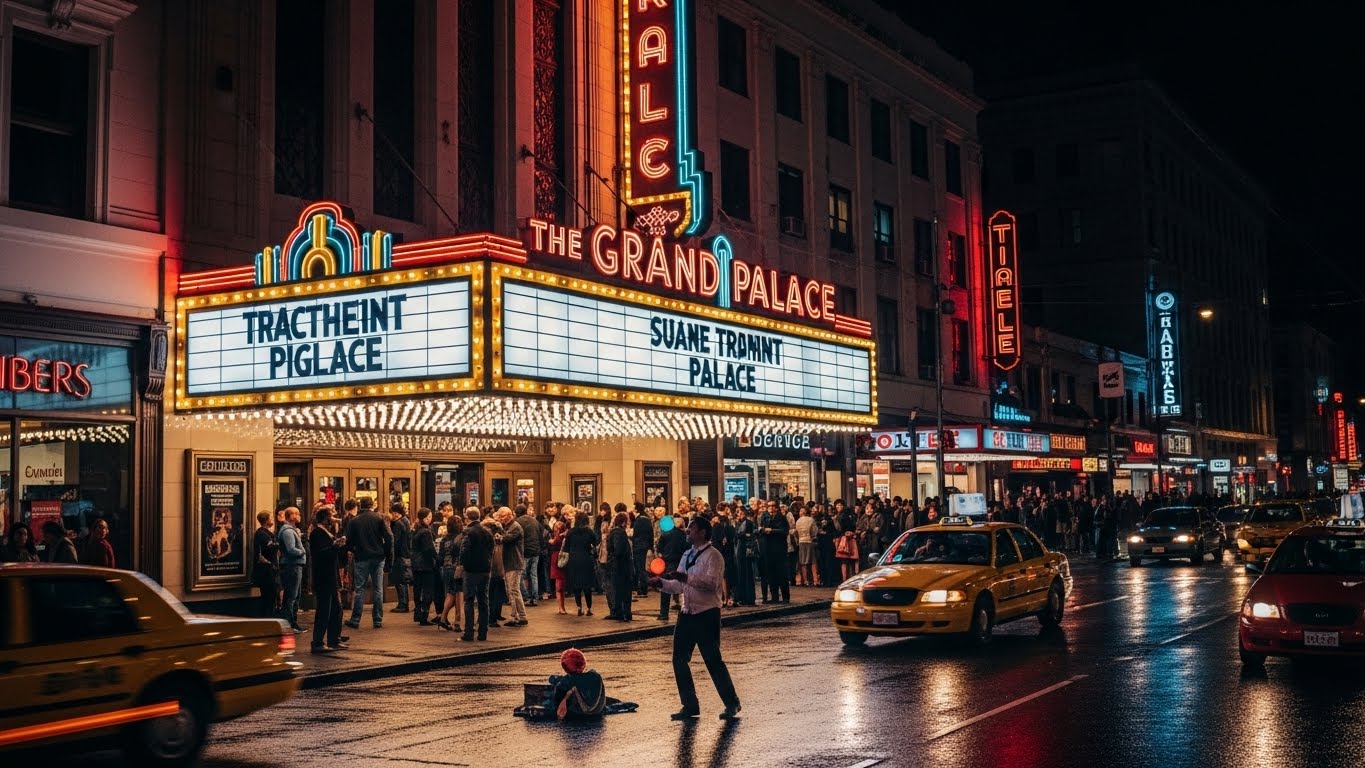
The 20th century marked a transformative period for entertainment, particularly with the rise of Hollywood. The film industry became the dominant cultural force, bringing stars like Charlie Chaplin, Audrey Hepburn, and Marlon Brando into the limelight. The movies were not just an escape from reality but a window into different worlds, capturing the imagination of audiences around the world.
Hollywood’s “Golden Age” in the 1930s and 1940s created some of the most iconic films in cinematic history. Movies like Gone with the Wind, Casablanca, and Citizen Kane set the standard for what became known as classic cinema. These films not only entertained audiences but also reflected the cultural and political dynamics of their time.
Alongside the rise of Hollywood cinema, radio shows became increasingly popular. They were a primary source of entertainment for families in the mid-20th century, with drama, comedy, and news programs being broadcast across the nation. It was an era when families gathered around the radio, much like how they would later gather around the television set.
The Rise of Television: Transforming Entertainment for the Masses
Television further revolutionized entertainment in the mid-20th century, ushering in a new era of visual storytelling. By the 1950s, TV had become a fixture in almost every home. Shows like I Love Lucy, The Twilight Zone, and The Ed Sullivan Show captivated audiences and provided a shared cultural experience that bound people together across regions.
Unlike radio, television allowed people to see performances, adding a visual dimension to entertainment. This new medium made it easier for people to consume content in the comfort of their homes, and as the technology improved, television programming became more sophisticated. By the 1980s and 1990s, cable TV brought a wider array of options, including niche channels for specific interests like sports, news, and even cooking.
But television was not just a passive medium. The rise of reality television in the 1990s and 2000s, with shows like Survivor, Big Brother, and The Real World, blurred the lines between fiction and reality. These programs allowed viewers to engage with entertainment in a more interactive and personal way, making them feel as though they were part of the narrative.
The Digital Revolution: Streaming Services and Online Content
The late 20th and early 21st centuries saw the rapid growth of the internet, which fundamentally changed the entertainment landscape. The birth of digital platforms and streaming services like YouTube, Netflix, and Spotify has altered how people access and consume entertainment.
One of the biggest shifts has been the move from traditional cable TV to on-demand streaming. With platforms like Netflix, Hulu, Amazon Prime, and Disney+, audiences can now watch entire seasons of shows and movies without the constraints of a weekly television schedule. This flexibility has not only changed the way people watch TV but also the way content is created. Shows like Breaking Bad, Stranger Things, and The Mandalorian have become cultural phenomena, thanks to streaming platforms that allow for binge-watching and easy access.
Streaming services have also revolutionized the music industry. In the past, people would buy physical copies of albums or download music from stores like iTunes. Today, with platforms like Spotify, Apple Music, and YouTube Music, listeners have access to millions of songs at their fingertips. The ability to stream music anytime, anywhere, has changed the way we experience music and has given artists new avenues for reaching global audiences.
Social Media and User-Generated Content: The Age of Interaction
In the age of social media, entertainment has become more interactive and user-driven. Platforms like Instagram, TikTok, and Twitter have given rise to a new kind of celebrity—the influencer. These individuals create content that resonates with their followers, often blurring the lines between personal life and entertainment. TikTok, in particular, has become a platform where short videos, challenges, and trends go viral, allowing users to actively participate in shaping entertainment culture.
User-generated content has democratized the entertainment industry. Today, anyone with a smartphone and an internet connection can create and share videos, music, and art with the world. This shift has led to the rise of indie creators who can build massive followings without the backing of traditional media companies. YouTube, for example, has created a new wave of content creators, from gamers to vloggers, who make a living by producing videos for their audiences.
Moreover, platforms like Twitch have turned live-streaming into a major form of entertainment. Gamers, musicians, and even chefs now host live sessions where audiences can interact with them in real time. This form of entertainment has introduced new levels of engagement, as viewers can comment, donate, or even dictate the content that is created.
Virtual Reality and Augmented Reality: The Next Frontier of Entertainment
As technology continues to evolve, we are on the cusp of a new era of entertainment—virtual reality (VR) and augmented reality (AR). These immersive technologies promise to change the way we experience entertainment by providing fully interactive and lifelike environments. VR, for example, allows users to step into digital worlds where they can explore, interact, and participate in experiences that were previously impossible.
The gaming industry has already embraced VR, with games like Beat Saber and Half-Life: Alyx offering players an unprecedented level of immersion. But VR is not just limited to gaming. It has the potential to revolutionize other forms of entertainment as well. Imagine watching a concert in VR as if you were standing front row, or visiting a museum and experiencing art in 360-degree environments.
On the other hand, AR enhances the real world by overlaying digital information onto physical spaces. AR apps like Pokémon GO brought millions of people outside to catch virtual creatures in their neighborhoods. This type of entertainment combines physical activity with interactive experiences, creating a hybrid form of entertainment that merges the digital and physical worlds.
The Future of Entertainment: What Lies Ahead?
The future of entertainment is likely to be even more personalized and immersive. As artificial intelligence (AI) continues to advance, we may see AI-driven content that is tailored to individual preferences and emotional responses. Imagine a film or TV show that adapts to your mood, creating a unique experience every time you watch it.
In addition to AI, the integration of 5G technology will make streaming high-quality content faster and more seamless. This will open the door to even more sophisticated VR and AR experiences, where users can enjoy interactive content with little to no lag.
Another exciting possibility is the rise of blockchain technology, which could transform the entertainment industry by decentralizing content distribution. Artists may be able to sell their work directly to consumers, bypassing traditional distribution channels and potentially earning more revenue for their efforts.
Conclusion: Entertainment in the Modern Age
Entertainment has come a long way from its humble beginnings in ancient cultures. Today, it encompasses a wide range of mediums, from traditional cinema and television to cutting-edge technologies like VR and AR. As the digital age continues to evolve, the way we experience entertainment will continue to change. What is certain, however, is that entertainment will remain an essential part of human culture—offering not just an escape from the everyday, but a way to connect with others, share experiences, and explore new realities.
The future of entertainment is bright, and we are just scratching the surface of what is possible. Whether it’s through streaming services, social media, or immersive technologies, entertainment will continue to push boundaries and shape the way we live, work, and play. The possibilities are endless, and it’s an exciting time to be a part of this ever-evolving journey.