
The Ever-Changing World of Entertainment: From Tradition to Digital Innovation
Introduction: Understanding Entertainment in Modern Life
Entertainment has always been a vital part of human society. From storytelling around fires in ancient civilizations to the global streaming platforms of today, entertainment reflects culture, values, and creativity. Its purpose extends beyond amusement—it shapes social interaction, influences trends, and provides opportunities for learning and inspiration. In the 21st century, entertainment has transformed into a multi-dimensional experience, combining technology, art, and audience engagement in ways previously unimaginable.
The Evolution of Entertainment: Past to Present
Traditional forms of entertainment included theater, music, dance, and live performances. These activities were not only a source of leisure but also a way to pass on cultural stories, beliefs, and histories. With the invention of the printing press and later cinema, the reach of entertainment expanded, allowing stories and performances to travel across regions and generations.
In the 20th century, television and radio became central to entertainment, shaping global culture and creating shared experiences. These mediums introduced audiences to new ideas, music, and personalities, creating a common cultural language. Today, digital platforms and streaming services have further transformed entertainment, allowing on-demand access and interactivity that was previously impossible.
Movies and Television: Storytelling in Motion
Film and television continue to dominate the entertainment landscape. Movies provide immersive storytelling, combining visuals, sound, and emotion to captivate audiences. From timeless classics to blockbuster franchises, films shape culture, inspire fashion and music, and often spark global conversations.
Television, particularly with the rise of streaming platforms, has evolved into an interactive and personalized medium. Viewers can binge entire series, choose what to watch at any time, and even influence narratives in interactive shows. Serialized storytelling has allowed deeper character development and complex narratives, engaging audiences in long-term emotional investment.
Music: The Universal Connector
Music has been a fundamental form of entertainment for centuries. Its power lies in its ability to connect people, evoke emotions, and reflect cultural identity. Modern technology has revolutionized music consumption, making it accessible anywhere, anytime. Streaming services, digital downloads, and social media have democratized the music industry, allowing independent artists to reach global audiences.
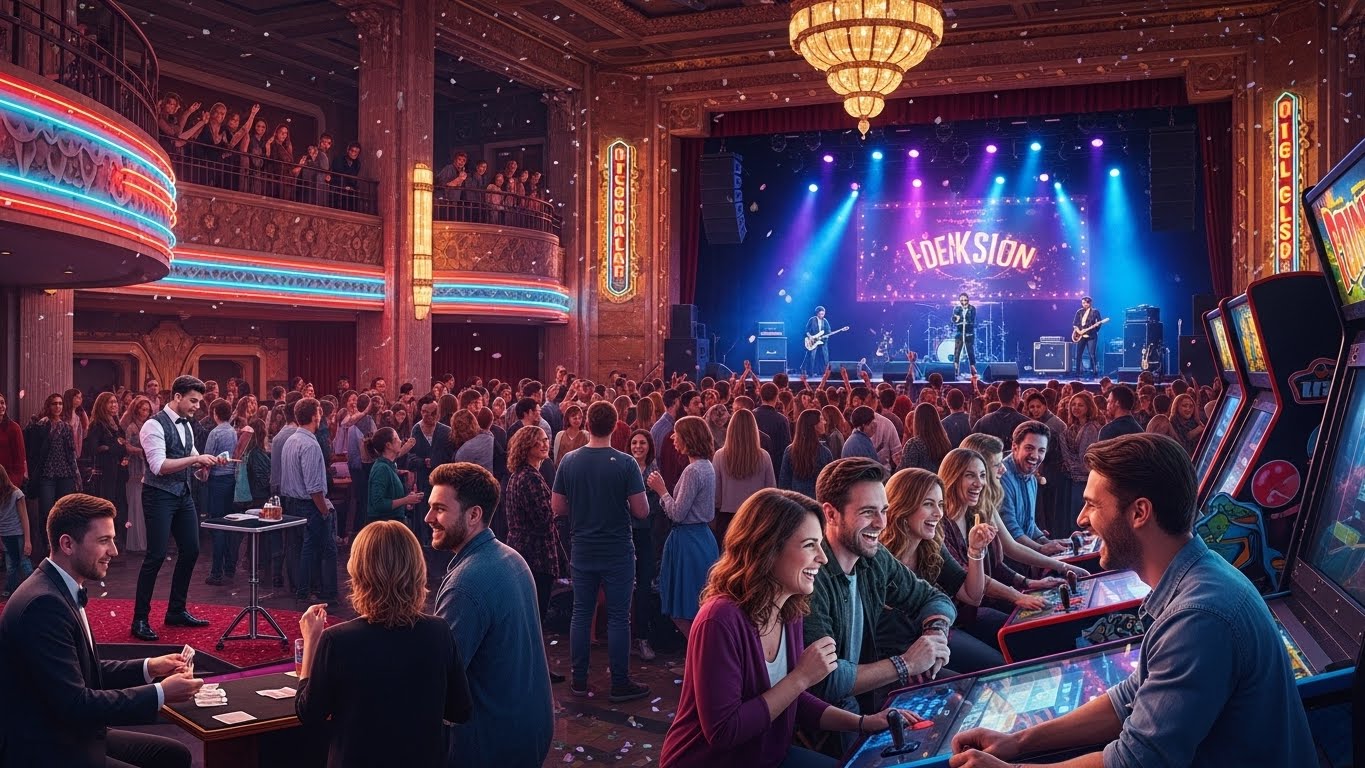
Beyond listening, live music experiences such as concerts and festivals offer social and cultural significance. Music has the power to unite communities, inspire social movements, and create collective memories. Its role in entertainment is not just to amuse but also to connect, empower, and influence society.
Gaming: The Interactive Frontier
Gaming has emerged as a dominant form of entertainment, combining storytelling, interactivity, and competition. Video games provide immersive experiences, allowing players to explore complex worlds, solve problems, and engage with communities globally.
From casual mobile games to competitive esports, gaming caters to diverse audiences. Multiplayer games foster social interaction, collaboration, and teamwork, while single-player games provide personal narratives and skill-based challenges. Gaming has also become a professional industry, with esports tournaments drawing millions of viewers worldwide and providing career opportunities for players, coaches, and content creators.
Digital Platforms and Streaming: Redefining Accessibility
Digital platforms have revolutionized how people consume entertainment. Streaming services provide instant access to movies, series, music, and live events, eliminating traditional barriers such as location, schedules, or physical media. This accessibility has transformed consumer behavior, emphasizing personalization, convenience, and engagement.
User-generated content platforms have democratized entertainment creation. Independent artists, filmmakers, and performers can now reach audiences directly, bypassing traditional gatekeepers. This shift has led to an explosion of creativity, fostering diverse content and innovative storytelling formats.
Live Entertainment: The Irreplaceable Experience
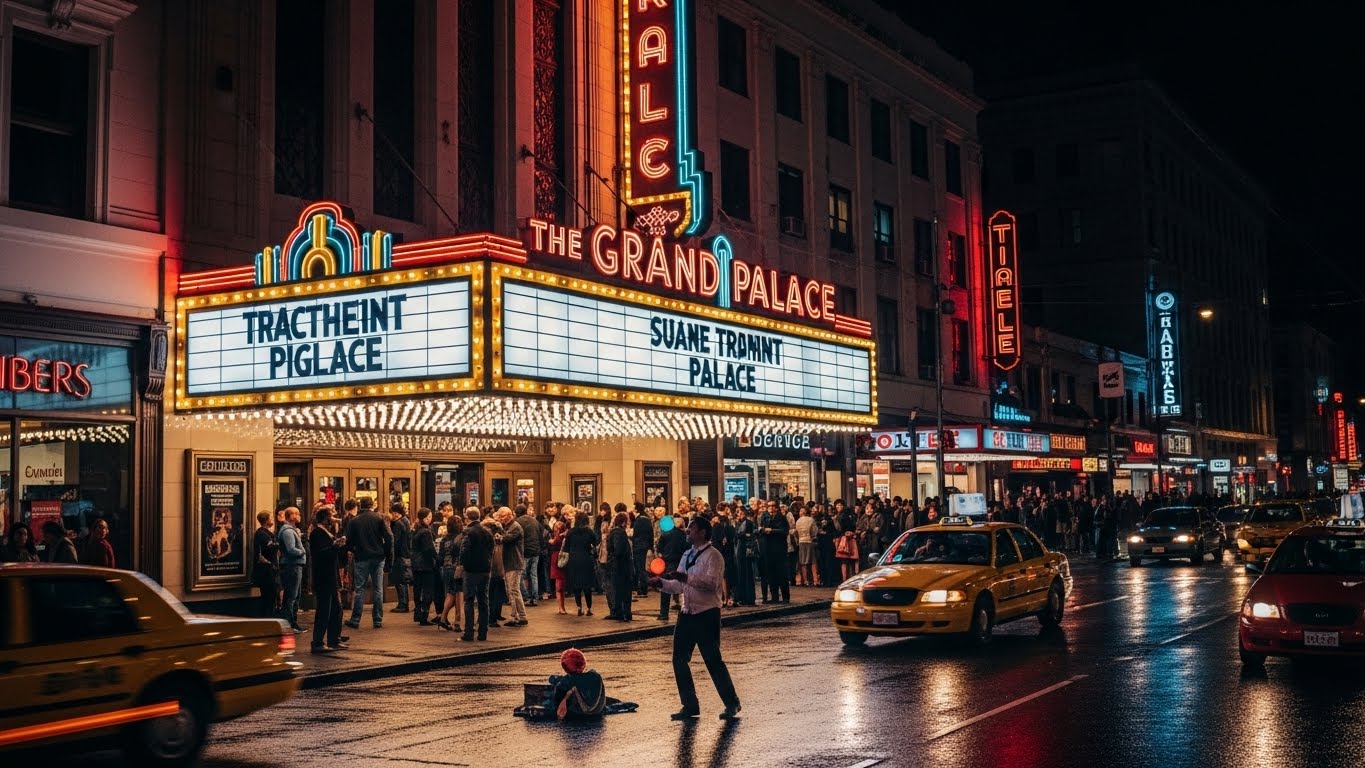
Despite the rise of digital platforms, live entertainment remains vital. Theater, live music, sports, and comedy provide experiences that cannot be fully replicated online. The energy of a live audience, the immediacy of performance, and the connection between performers and spectators create a unique atmosphere that engages all senses.
Live entertainment also fosters community and social bonding. Festivals, cultural events, and local performances bring people together, celebrating creativity and shared experiences. While digital media offers convenience, live events maintain the irreplaceable human element of entertainment.
Technology: Shaping the Future of Entertainment
Technology plays a pivotal role in modern entertainment. High-definition visuals, immersive audio, virtual reality, augmented reality, and AI-driven experiences are redefining how content is created and consumed.
Virtual reality allows audiences to step inside game worlds, concerts, or cinematic environments, while augmented reality blends digital content with the real world. Artificial intelligence personalizes recommendations, creates adaptive narratives, and even assists in music and film production. Technology ensures that entertainment is not only more immersive but also more interactive, adaptive, and engaging than ever before.
Cultural Impact of Entertainment
Entertainment reflects and shapes culture. Films, music, gaming, and live events influence fashion, social norms, language, and behavior. Cultural phenomena often emerge from entertainment trends, highlighting its role in shaping identity and social interaction.
Entertainment also addresses social issues and encourages dialogue. Documentaries, music, games, and films can explore topics such as equality, mental health, environmental awareness, and human rights. By engaging audiences emotionally and intellectually, entertainment becomes a platform for reflection, awareness, and change.
The Psychology of Entertainment
Entertainment has a profound effect on mental and emotional well-being. It provides relaxation, escapism, and emotional catharsis, allowing individuals to process feelings and reduce stress. Interactive entertainment, such as gaming, offers cognitive benefits, enhancing problem-solving, strategic thinking, and coordination.
The social aspects of entertainment, such as fandoms, communities, and live events, also contribute to emotional fulfillment. Shared experiences foster belonging, identity, and social interaction, highlighting that entertainment is both personally rewarding and socially connecting.
Economic Influence of Entertainment
The entertainment industry is a major economic driver. Movies, music, games, and live events generate billions in revenue, supporting millions of jobs worldwide. Sponsorships, merchandising, ticket sales, and digital distribution create economic opportunities across multiple sectors.
Entertainment also drives tourism and consumer spending. Major film releases, music festivals, and gaming tournaments attract visitors, creating secondary economic benefits for local communities. The industry’s financial significance underscores its value beyond culture and leisure, making it a critical component of global economies.
The Future of Entertainment
The future of entertainment promises greater innovation, interactivity, and inclusivity. Emerging technologies like virtual reality, augmented reality, AI, and cloud-based platforms will create experiences that are increasingly immersive and personalized. Cross-platform engagement, interactive storytelling, and global collaboration will redefine how audiences experience content.
Entertainment will continue to evolve, bridging digital and physical experiences, combining creativity, technology, and social engagement. It will remain a powerful force in shaping culture, inspiring innovation, and connecting people across the world.
Conclusion: Entertainment as a Dynamic Force
Entertainment is no longer confined to passive observation; it is interactive, immersive, and influential. From traditional performances to digital platforms, gaming, and live events, entertainment shapes culture, society, and personal experiences. It fosters creativity, social connection, and emotional fulfillment, reflecting the evolving values and technological possibilities of human society.
As the industry continues to innovate, entertainment will remain a central part of modern life, transforming how we connect, experience stories, and engage with the world. It is both a reflection of human creativity and a driver of cultural, social, and economic change, proving that entertainment is not just a pastime—it is a transformative force in contemporary society.