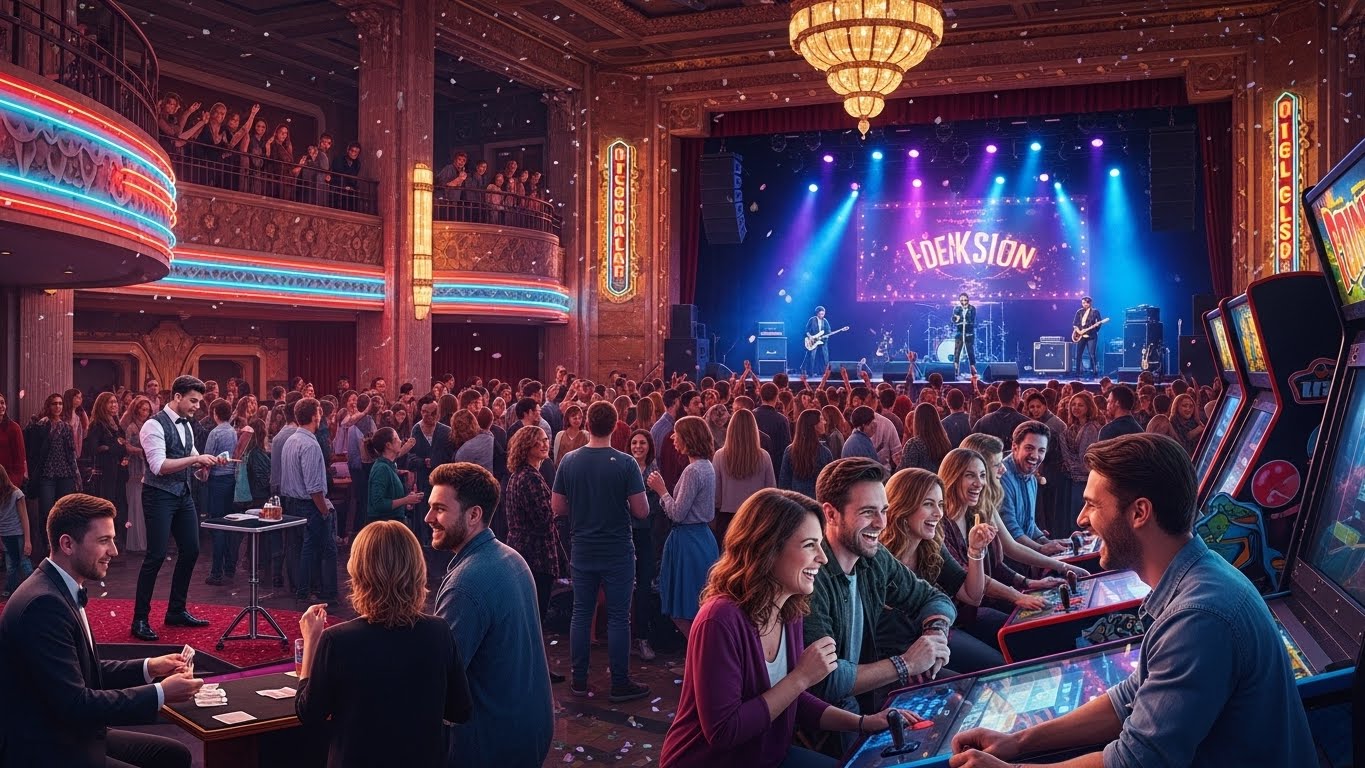

Entertainment Unplugged: How Stories, Technology, and Creativity Shape Our Lives
Introduction: The Role of Entertainment in Human Life
Entertainment is a vital part of human culture, going beyond mere amusement. It connects people, sparks imagination, and provides an emotional escape from the realities of everyday life. From ancient storytelling to modern virtual experiences, entertainment reflects societal values, inspires creativity, and brings individuals together across generations. It has always served as a mirror of culture, while also shaping trends and influencing emotions. In today’s world, entertainment is more accessible, interactive, and diverse than ever, making it a central element in how we live, learn, and connect.
The Origins of Entertainment: A Historical Perspective
The history of entertainment is as old as human civilization. Early humans used storytelling, music, and dance to convey ideas, preserve culture, and connect with each other. These forms of expression were essential for survival, teaching lessons, and fostering social cohesion.
In ancient civilizations, theater became a cornerstone of public life. The Greeks introduced drama and performance as a form of cultural reflection and philosophical exploration, while the Romans adapted entertainment to include spectacles, gladiatorial games, and public festivities. Across the globe, societies developed unique forms of entertainment—from traditional Indian dances to Chinese opera—highlighting the universality of human desire for amusement and connection.
With the invention of the printing press in the 15th century, literature became an essential form of entertainment. People could enjoy stories privately, explore imagination, and engage with ideas from distant lands. Later, the 20th century brought cinema, radio, and television, transforming entertainment consumption. Films became cultural events, radio connected audiences with music and storytelling, and television introduced the world to shared experiences in homes everywhere.
The Technological Revolution in Entertainment
The 21st century has seen a technological revolution that has transformed entertainment in unprecedented ways. Digital platforms allow audiences to stream movies, shows, and music on demand. This convenience has changed not only viewing habits but also the way content is created. Binge-worthy series, short-form videos, and interactive narratives cater to audiences’ evolving preferences.
Gaming has become a dominant form of entertainment, combining storytelling, visuals, and interactivity. Modern video games feature realistic graphics, intricate plots, and multiplayer worlds where players connect globally. Virtual reality and augmented reality further blur the line between imagination and reality, providing immersive experiences that engage audiences on multiple sensory levels.
Music has also benefited from technology. Digital production, online streaming, and social media platforms allow independent artists to reach audiences worldwide, creating a more diverse and inclusive musical landscape. Technology democratizes entertainment, giving creators and consumers unprecedented access and opportunities.
The Power of Storytelling in Entertainment
Storytelling is the backbone of all entertainment. Stories evoke emotions, challenge perceptions, and inspire audiences. Whether through literature, cinema, music, or games, storytelling enables people to experience worlds beyond their own. Compelling narratives foster empathy, spark imagination, and leave lasting impressions.
Modern entertainment has expanded storytelling techniques. Interactive games, immersive theater, and digital narratives allow audiences to influence outcomes and become active participants. Diverse storytelling voices are also gaining prominence, reflecting global cultures, underrepresented communities, and unique experiences. This diversity enriches entertainment and strengthens its connection to real-world perspectives.
Social Media and the Modern Audience
Social media has transformed the way people engage with entertainment. Audiences are no longer passive observers; they actively shape trends, share opinions, and influence creators. Fan communities contribute to viral content, discussions, and fan-generated art, extending the lifespan and reach of entertainment experiences.
The direct connection between creators and audiences has created a collaborative entertainment culture. Fans can revive shows, support independent artists, and amplify content globally. This interaction strengthens emotional bonds and transforms entertainment into a shared, participatory experience.
Globalization and Cultural Exchange in Entertainment
Entertainment today transcends geographical boundaries. Films, music, and games from one country can quickly reach audiences around the world, promoting cultural exchange and appreciation. Streaming platforms, online communities, and international collaborations allow people to experience diverse perspectives and artistic styles.
Global entertainment collaborations enrich creativity, blending cultural influences and offering unique experiences. Multilingual films, cross-cultural music projects, and international co-productions demonstrate the power of entertainment as a global connector, fostering understanding and inspiration across cultures.
Live Entertainment: The Magic of Presence
Despite the rise of digital platforms, live entertainment remains a powerful experience. Concerts, theater performances, comedy shows, and sports events provide energy, excitement, and connection that digital media cannot replicate.
Live events create shared experiences that leave lasting memories. The immediate feedback between performers and audiences enhances emotional engagement, making these moments uniquely human. Whether it is the roar of a stadium crowd or the intimacy of a theater performance, live entertainment demonstrates the enduring importance of presence, connection, and shared joy.
The Business of Entertainment
Entertainment is also a significant economic force, generating billions of dollars worldwide. Production, marketing, distribution, and creative talent contribute to a complex industry that balances commerce and artistry. Studios, record labels, gaming companies, and independent creators all play a role in shaping trends and driving economic growth.
Digital platforms have democratized the business landscape. Independent creators now have opportunities to produce content, build audiences, and monetize their work without relying on traditional institutions. Authenticity, originality, and audience engagement have become crucial for success in this evolving ecosystem.
Emerging Trends in Entertainment
Several trends are shaping the future of entertainment. Personalization is increasingly important, with platforms tailoring content to individual preferences. Immersive experiences, such as virtual concerts, interactive narratives, and augmented reality games, are gaining popularity, providing active participation rather than passive consumption.
Socially conscious entertainment is also on the rise. Audiences value content that embraces diversity, addresses social issues, and promotes ethical practices. This encourages creators to produce meaningful, impactful content that entertains while fostering reflection and discussion.
The Emotional and Cultural Significance of Entertainment
Entertainment is essential for emotional well-being. It offers a space for relaxation, joy, and escape while allowing individuals to explore emotions, ideas, and human experiences. Stories, music, and performances help audiences connect with themselves and others, fostering empathy and creativity.
Entertainment also shapes culture. It influences fashion, language, social trends, and collective values. Shared entertainment experiences create cultural touchstones that define generations, spark conversations, and strengthen community connections.
Conclusion: The Enduring Power of Entertainment
Entertainment continues to evolve, driven by technology, creativity, and audience engagement. Future experiences will likely be even more immersive, interactive, and globally connected. Yet, despite changes in format and delivery, the core purpose of entertainment remains: to inspire, connect, and captivate.
As creators and audiences explore new ways to tell stories and share experiences, entertainment will remain central to human life. It reflects creativity, strengthens emotional bonds, and offers joy, comfort, and inspiration. In a constantly changing world, entertainment endures as a timeless source of cultural enrichment, emotional engagement, and shared human experience.