Entertainment has always been a vital part of human life. From ancient forms of storytelling to modern-day digital media, the way we seek out joy, amusement, and escape has changed dramatically over the centuries. While the underlying purpose of entertainment remains the same—providing enjoyment and emotional relief—its delivery has transformed in profound ways. In this blog post, we will explore the rich history of entertainment, the current trends shaping it, and the exciting future of this ever-evolving industry.
The Roots of Entertainment: An Ancient Need for Connection
The need for entertainment is as old as humanity itself. In ancient times, entertainment was a communal experience. People gathered around campfires to share stories, sing songs, and engage in rituals that both entertained and educated. Music and dance were not just recreational activities; they were deeply intertwined with cultural identity, religion, and social bonding. These activities allowed people to express their creativity and emotions, while also reinforcing group cohesion.
As civilizations advanced, entertainment became more formalized. The ancient Greeks and Romans are known for their contributions to performance arts, including theater and gladiatorial combat. Greek playwrights like Sophocles and Euripides wrote plays that explored deep philosophical and moral questions. The Roman Empire popularized public spectacles, such as gladiatorial games, chariot races, and mock naval battles, which provided not only entertainment but also a means of demonstrating power and dominance.
Throughout history, storytelling and live performance remained the core pillars of entertainment. But the arrival of new technologies would soon change how and where entertainment could be experienced.
The Rise of Mass Entertainment: Radio, Film, and Television
The 20th century marked a turning point in the history of entertainment, with technological innovations introducing new ways to engage audiences. The invention of the radio in the early 1900s revolutionized entertainment by providing people with the ability to listen to music, news, and scripted programs from the comfort of their homes. For the first time, people could experience live performances, such as concerts or radio dramas, without leaving their living rooms.
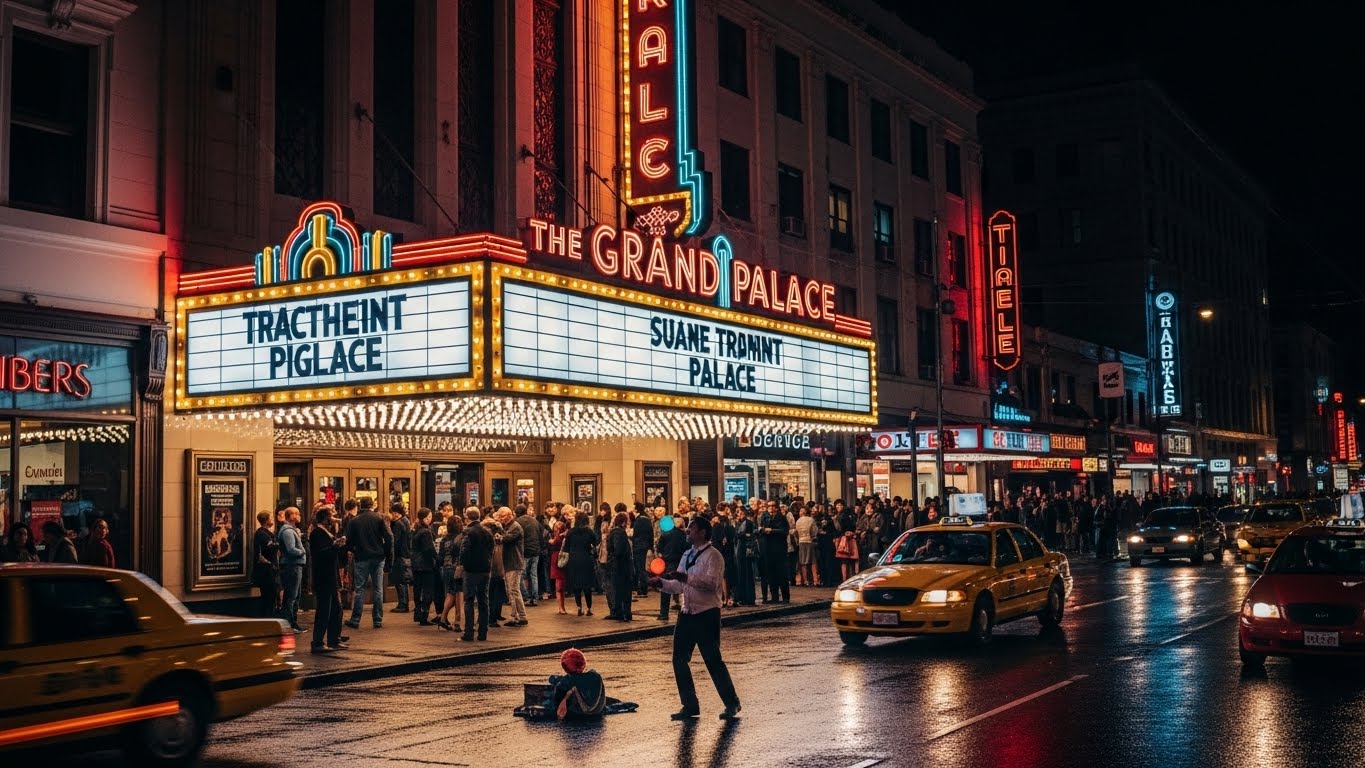
But it was the rise of film that truly reshaped the entertainment landscape. Movies became a global phenomenon, offering visual stories that could transport audiences to different worlds. Silent films, followed by the introduction of sound, color, and special effects, allowed cinema to become an immersive art form. Iconic stars like Charlie Chaplin, Marilyn Monroe, and Humphrey Bogart became household names, and the cinema itself became a temple of creativity.
Television followed closely behind, making entertainment even more accessible. In the mid-20th century, families across the world gathered around their television sets to watch everything from news broadcasts to sitcoms and variety shows. The golden age of television introduced legendary shows like “I Love Lucy,” “The Twilight Zone,” and “The Ed Sullivan Show,” which captivated audiences with their mix of humor, drama, and cultural significance.
By the late 20th century, the entertainment industry had become a multi-billion-dollar global empire, with movies, music, and television firmly established as the dominant sources of entertainment for the masses.
The Digital Revolution: On-Demand Entertainment
With the rise of the internet, a new era of entertainment dawned. Digital technologies have fundamentally transformed the way we consume and interact with entertainment. The introduction of personal computers, followed by the proliferation of smartphones, allowed people to access content at the click of a button, anytime and anywhere. This shift from scheduled programming to on-demand entertainment has been one of the most significant changes in the industry.
One of the most notable developments in recent years has been the explosion of streaming services like Netflix, Hulu, and Disney+. These platforms have completely changed the way we watch movies and television shows. Instead of waiting for a weekly episode or heading to the theater, audiences can binge-watch entire seasons of shows, re-watch their favorite movies, and explore vast libraries of content with just a few clicks.
Streaming services have also played a pivotal role in the democratization of entertainment. Independent filmmakers, animators, and producers now have a platform to showcase their work without the need for traditional studios or distributors. This has led to the rise of original content, with networks like Netflix producing their own award-winning series such as “Stranger Things” and “The Crown.”
The digital revolution has also expanded entertainment beyond the screen. Social media platforms like YouTube, Instagram, TikTok, and Twitch allow anyone to become a content creator. People can share their talents, ideas, and passions with millions of viewers worldwide, turning hobbies into full-fledged careers. This new wave of digital entertainment has created a more interactive and participatory culture, where audiences are not just passive consumers but active contributors.
The Power of Music: The Beat of Modern Entertainment
While films and television shows may dominate the entertainment landscape, music remains an incredibly powerful force in shaping popular culture. Music has an almost universal appeal, transcending language and cultural barriers to connect people from all walks of life. Over the decades, music genres have evolved, reflecting the changing tastes and social climates of each era.
The 20th century witnessed the rise of iconic music genres like jazz, rock, pop, and hip-hop. Artists like The Beatles, Michael Jackson, Madonna, and Tupac Shakur became global superstars, influencing not just the music industry, but fashion, politics, and youth culture. The advent of the internet and digital music platforms like Spotify, Apple Music, and SoundCloud has only increased the accessibility and diversity of music, making it easier for fans to discover new artists and genres.
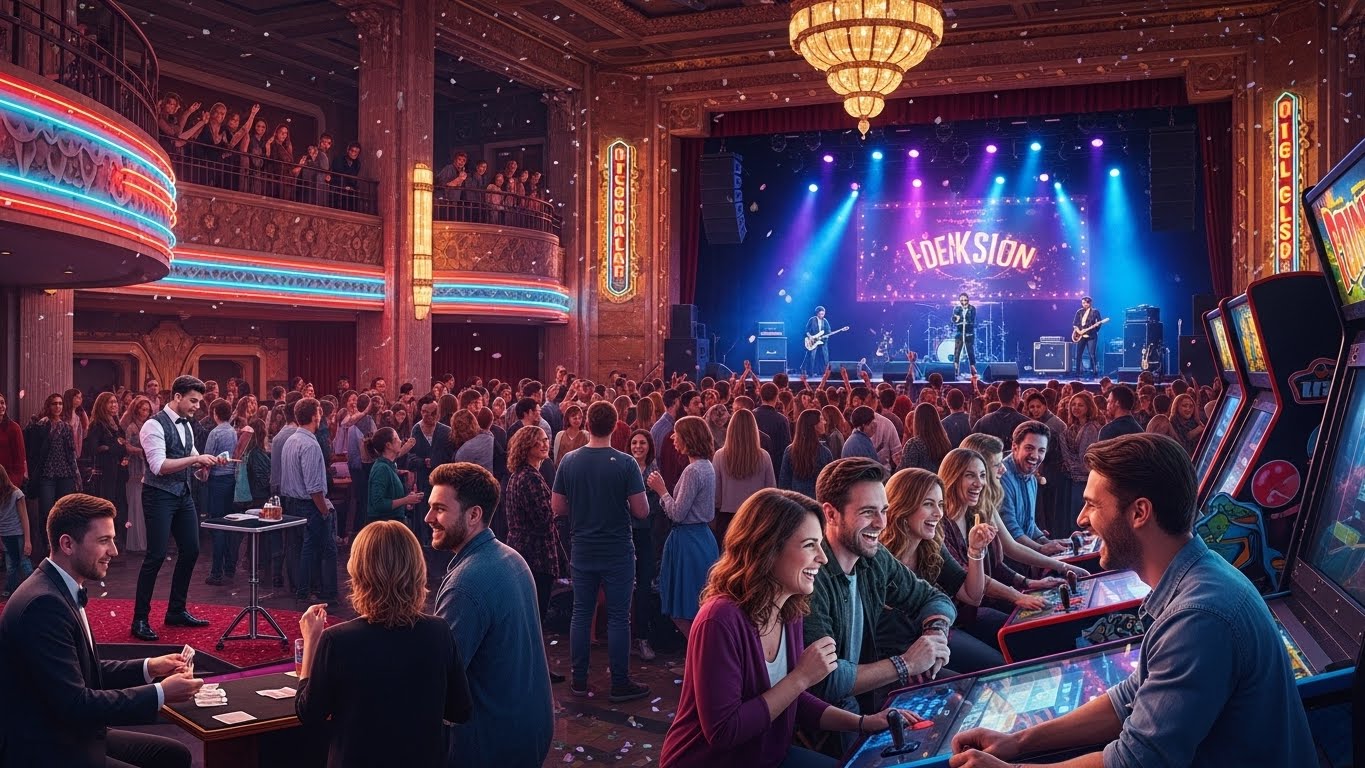
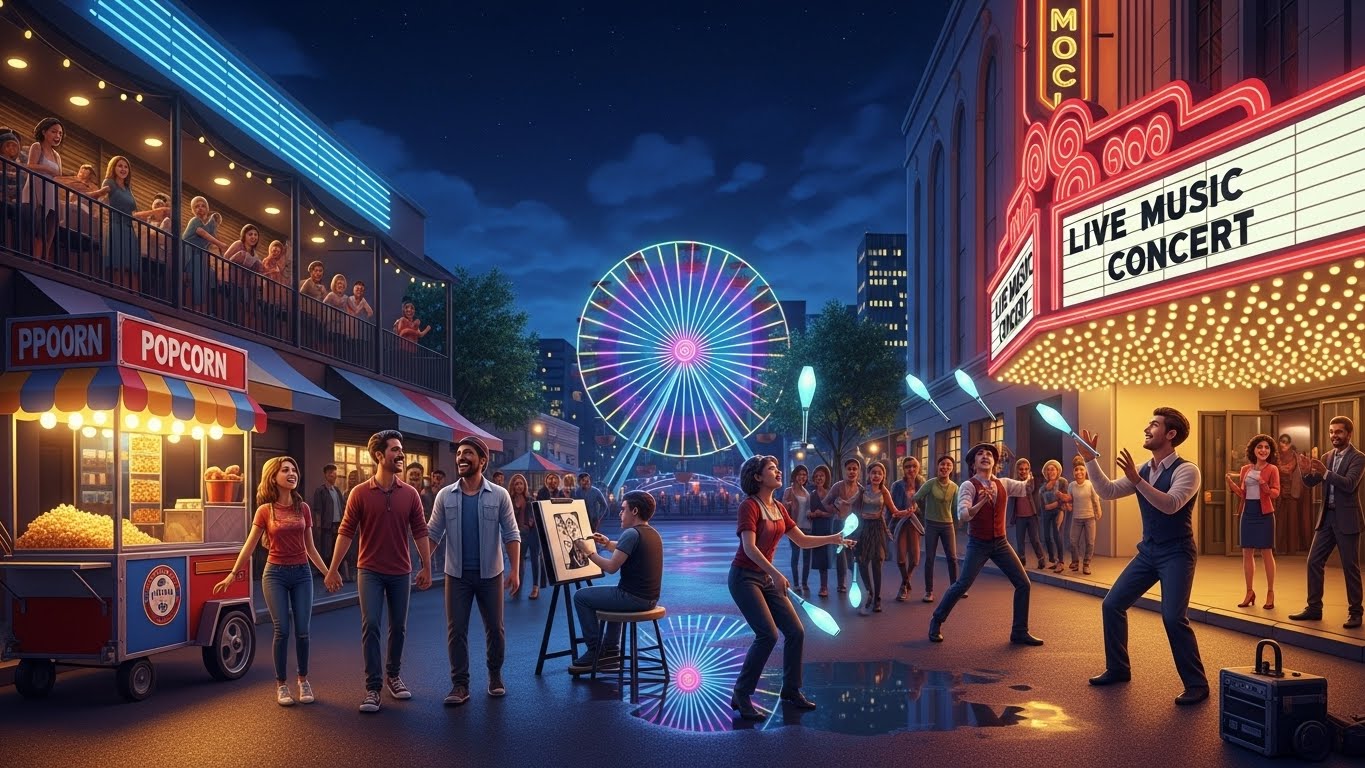
Live performances, particularly concerts and music festivals, have become a massive part of modern entertainment. Events like Coachella, Glastonbury, and Tomorrowland attract millions of fans, who gather to experience the thrill of seeing their favorite artists perform live. These events have become cultural touchstones, often serving as gathering points for like-minded individuals to celebrate their love for music and shared experiences.
Gaming: The New Frontier of Entertainment
One of the most exciting and rapidly growing areas of entertainment in recent years is gaming. Video games have evolved from simple pixelated experiences to complex, immersive universes with cinematic storylines, stunning graphics, and multiplayer capabilities. Gaming has become a multi-billion-dollar industry, with millions of people around the world spending countless hours playing and watching games.
What sets gaming apart from other forms of entertainment is its interactivity. Unlike passive experiences like watching a movie or listening to music, games allow players to make decisions, explore virtual worlds, and shape the outcome of the story. The rise of esports has also turned gaming into a competitive sport, with professional players and teams competing in tournaments watched by millions. Platforms like Twitch have enabled gamers to stream their gameplay live, creating a whole new genre of entertainment that blends skill, entertainment, and social interaction.
Gaming is also one of the most innovative fields in terms of technology. Virtual reality (VR) and augmented reality (AR) are already being used to create fully immersive gaming experiences, blurring the lines between the digital and physical worlds. As the technology continues to evolve, gaming is expected to become even more interactive and realistic, offering players unparalleled experiences.
The Future of Entertainment: Immersive and Interactive
As technology continues to advance, the future of entertainment is bound to be even more immersive and interactive. Virtual reality (VR) and augmented reality (AR) are already changing the way we experience stories, music, and games. Imagine walking through a virtual world, interacting with characters, and making decisions that affect the plot—all from the comfort of your living room.
Artificial intelligence (AI) is also set to revolutionize entertainment. In the future, AI could be used to create personalized experiences, where the content adapts to a person’s preferences in real time. AI could even assist in content creation, helping artists, filmmakers, and musicians generate ideas or improve their work.
Additionally, the rise of 5G networks promises to further enhance the digital entertainment experience by enabling faster streaming, higher-quality visuals, and more immersive experiences. As technology continues to evolve, the boundaries between reality and entertainment will continue to blur, opening up new possibilities for creators and audiences alike.
Conclusion: The Endless Appeal of Entertainment
From ancient rituals to modern-day digital experiences, entertainment has always played a central role in human life. It brings people together, offers an escape from the challenges of daily life, and allows us to explore new ideas and worlds. As technology continues to advance, entertainment will only become more diverse, interactive, and immersive.
What remains unchanged is the human desire for connection, joy, and creativity. Whether through movies, music, gaming, or live performances, entertainment has the power to shape our emotions, reflect our culture, and connect us to one another in meaningful ways. As we look to the future, it’s clear that the world of entertainment will continue to evolve, offering new ways for people to experience the magic of creativity and expression.