Entertainment in the 21st Century: The Art of Capturing Attention and Imagination
Introduction: The Significance of Entertainment
Entertainment has always been a vital part of human life. It is more than a way to pass time; it shapes culture, inspires creativity, and connects people emotionally. From storytelling in ancient civilizations to today’s immersive digital experiences, entertainment has evolved into a powerful force that reflects society and engages audiences worldwide. Modern entertainment spans films, music, gaming, live performances, social media, and virtual experiences. Its impact reaches beyond leisure, influencing emotions, trends, and even social conversations. Understanding this evolution helps us appreciate why entertainment remains central to human experience.
The Historical Evolution of Entertainment
The origins of entertainment date back to early human history. Ancient humans relied on storytelling, music, and dance to share knowledge, express emotions, and preserve cultural traditions. Storytelling was not just amusement; it was a way to educate, inspire, and unify communities.
In ancient civilizations, such as Greece and Rome, theaters became hubs for drama, comedy, and public events. These performances brought communities together and created shared cultural experiences. Similarly, in medieval times, traveling performers and minstrels entertained towns with songs, comedic acts, and theatrical storytelling.
The invention of the printing press marked another revolution. Literature became a widely accessible form of entertainment, allowing individuals to enjoy stories privately and explore imagination at their own pace. The 20th century introduced cinema, radio, and television, transforming entertainment consumption. Films became a global phenomenon, television created shared cultural moments, and radio brought music and storytelling into homes, connecting audiences on an unprecedented scale.
Today, digital technology has redefined entertainment entirely. Streaming platforms, gaming, social media, and virtual reality provide on-demand and immersive experiences. Audiences now participate actively, shaping content and engaging with creators directly.
The Role of Technology in Modern Entertainment
Technology has dramatically changed how we experience entertainment. Streaming platforms provide access to vast libraries of movies, series, and music at any time, breaking traditional schedules and geographic limitations. This convenience has influenced how creators produce content, often prioritizing binge-worthy formats and interactive features.
Gaming has evolved into a global entertainment powerhouse. Modern video games offer cinematic graphics, immersive storylines, and online multiplayer experiences connecting millions of players. Virtual reality and augmented reality further blur the lines between imagination and reality, creating interactive experiences that enhance emotional engagement.
Music has also benefited from technological advancements. Digital production tools, streaming platforms, and social media have democratized music creation and distribution. Independent artists now reach global audiences without relying on traditional record labels, contributing to a more diverse and inclusive musical landscape.
The Power of Storytelling
Storytelling remains the cornerstone of all entertainment forms. Stories evoke emotions, provoke thought, and create lasting memories. Whether through film, literature, music, or games, compelling narratives allow audiences to explore experiences beyond their own lives.
Modern entertainment often incorporates interactivity into storytelling. Video games, immersive theater, and digital narratives let audiences influence outcomes, making experiences personalized and engaging. Diverse storytelling also reflects global perspectives, bringing underrepresented voices into mainstream entertainment. This not only enriches creativity but also fosters empathy and understanding among audiences.
Social Media and Audience Engagement
Social media has revolutionized the entertainment industry. Audiences are no longer passive consumers; they actively participate in shaping trends, sharing opinions, and promoting content. Fan communities create a new form of engagement, where discussions, fan art, and viral content amplify the reach and impact of entertainment.
Fans have the power to influence creative decisions, revive canceled shows, or popularize independent artists. This interaction transforms entertainment into a collaborative process, where audiences and creators connect emotionally, fostering loyalty and community.
The Globalization of Entertainment
Entertainment today transcends borders. Films, music, and games from one country can quickly gain international popularity. Streaming platforms and online communities allow people worldwide to access diverse content, promoting cultural exchange and understanding.
Global collaborations among creators are becoming increasingly common. International co-productions, cross-cultural music projects, and multilingual content bring fresh perspectives and innovation to entertainment. This globalization enriches storytelling and creativity, providing audiences with experiences that blend cultures, ideas, and artistic styles.
Live Entertainment: The Magic of Shared Experiences
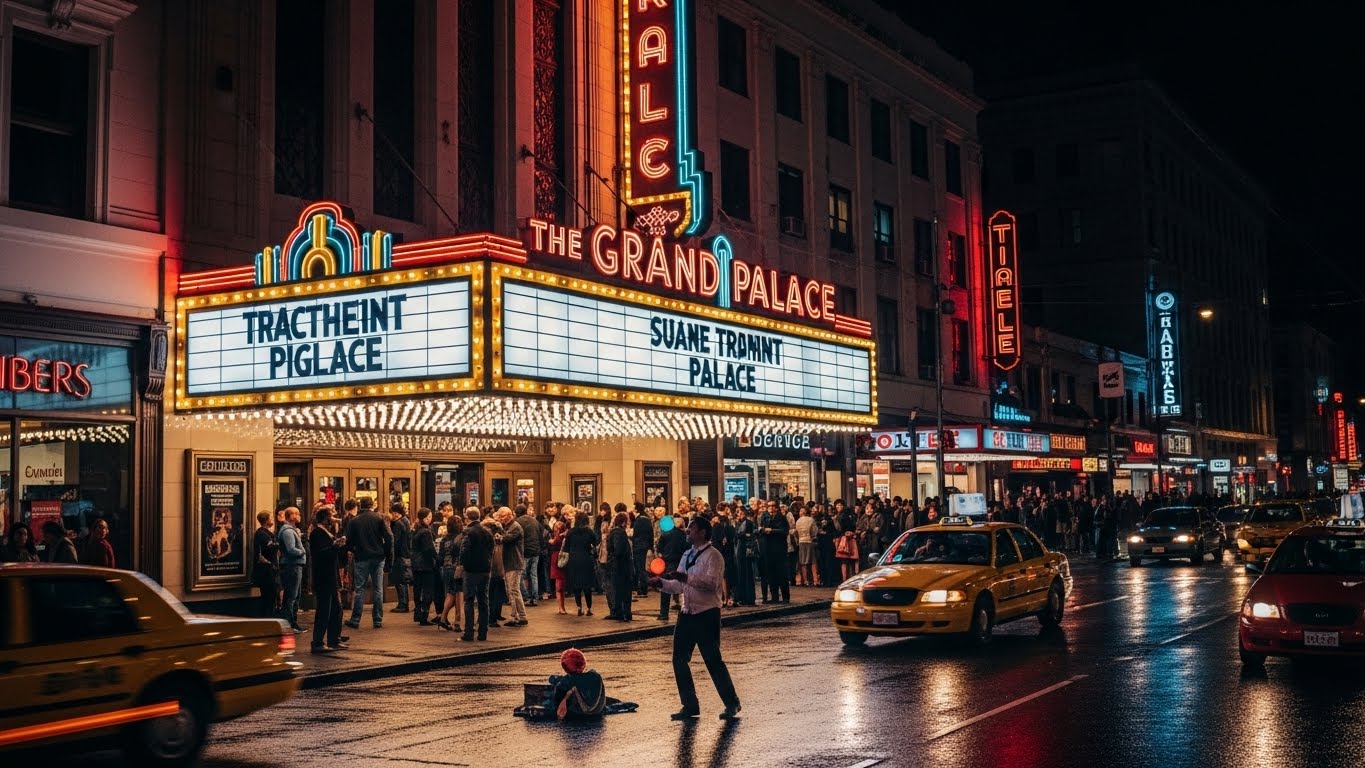
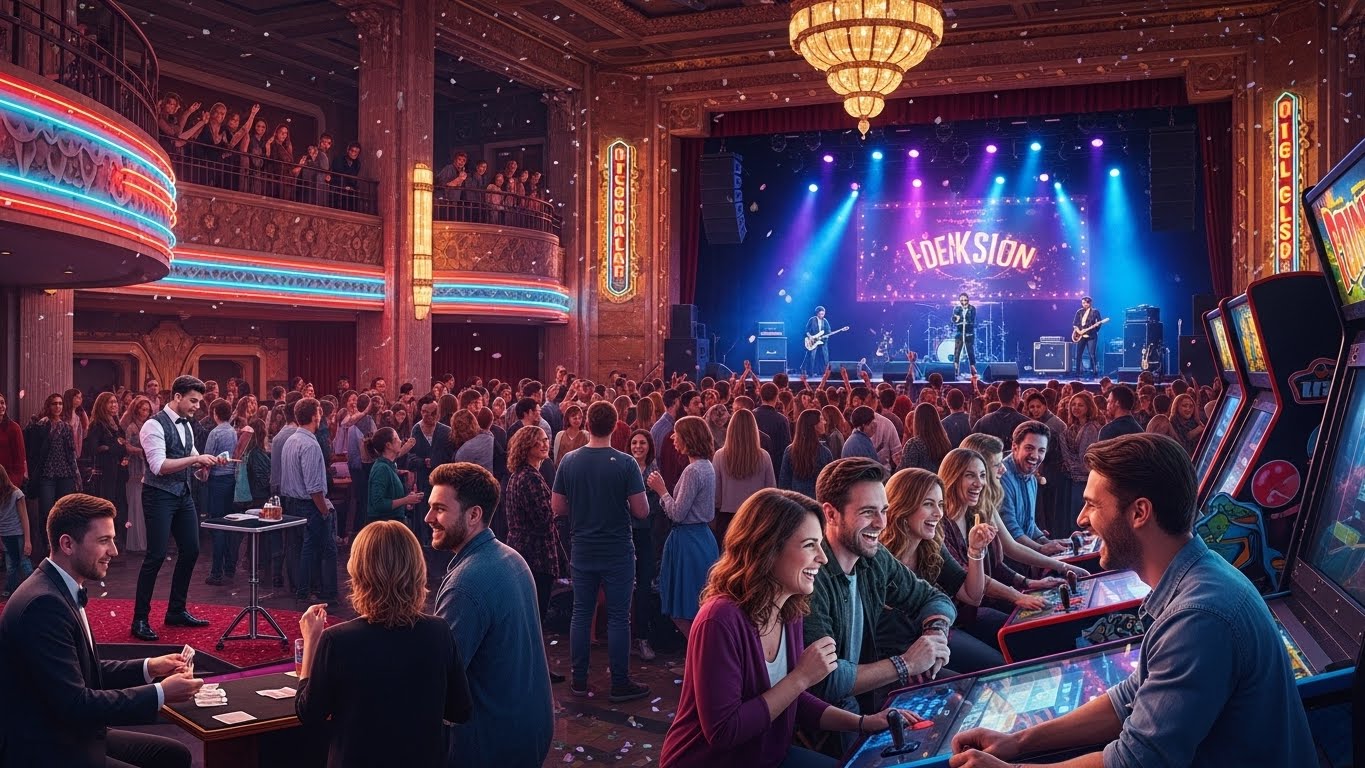
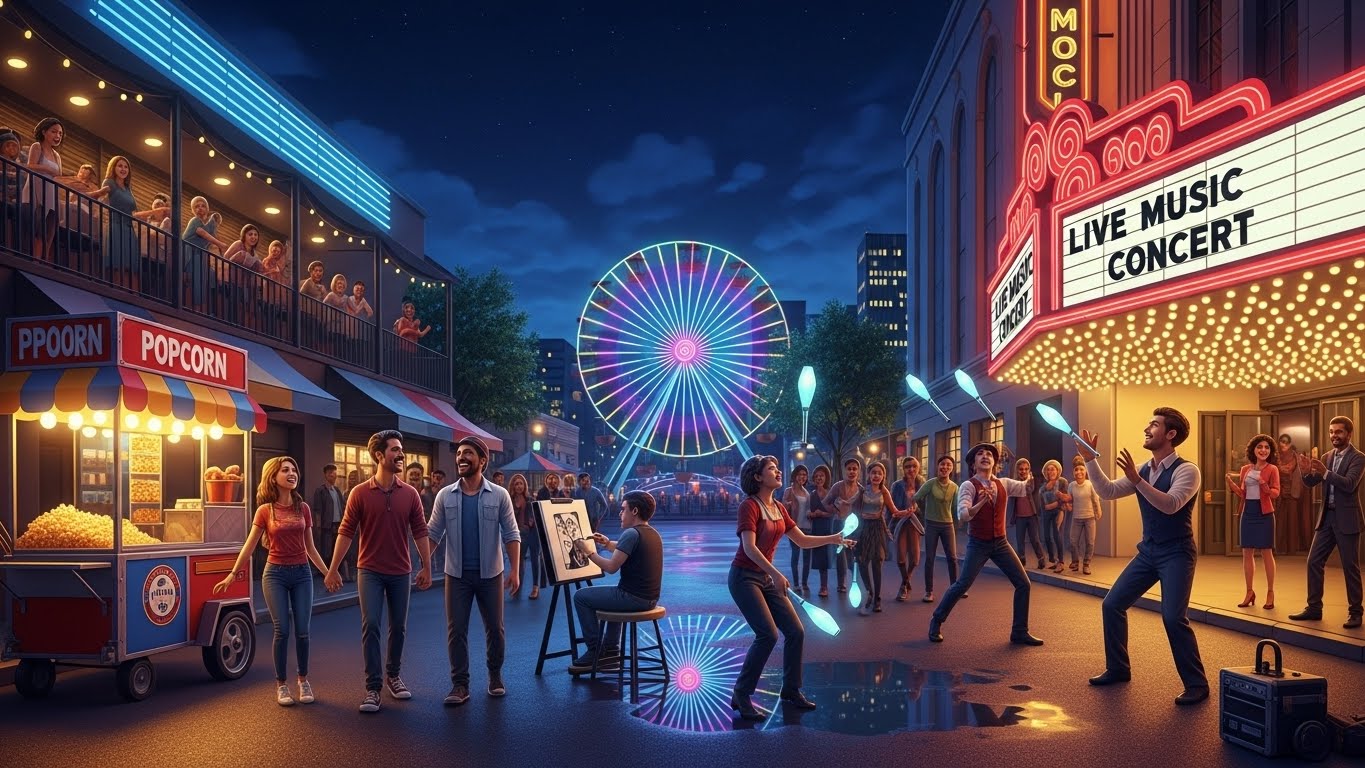
Despite the rise of digital media, live entertainment remains irreplaceable. Concerts, theater performances, comedy shows, and sports events provide a unique sense of connection and excitement. The energy shared between performers and audiences creates memories that cannot be replicated online.
Live events allow immediate feedback, enhancing the authenticity of performances. Whether cheering at a concert or experiencing a play, audiences enjoy a collective emotional journey. Live entertainment reminds us that human connection and presence are central to the enjoyment of art and performance.
The Business Side of Entertainment
Entertainment is also a major global industry, generating billions of dollars and employing millions of people. Production, marketing, and distribution involve complex strategies to capture audience attention and maximize engagement. Studios, record labels, gaming companies, and independent creators all contribute to a thriving economic ecosystem.
Digital platforms have opened opportunities for independent creators. Artists can now produce content, reach global audiences, and monetize their work without relying on traditional institutions. The balance between creativity and commercial success is crucial, as audiences increasingly value authenticity and originality over purely commercial content.
Emerging Trends in Entertainment
Several trends are shaping the future of entertainment. Personalization is key, with algorithms and data-driven platforms tailoring content to individual preferences. Immersive experiences, including virtual concerts, interactive storytelling, and augmented reality games, are gaining popularity, offering audiences active participation.
Socially conscious entertainment is also on the rise. Audiences seek content that reflects diversity, ethical practices, and awareness of real-world issues. This encourages creators to produce work that entertains while inspiring thought, discussion, and change.
The Psychological and Cultural Importance of Entertainment
Entertainment is more than a form of leisure; it impacts emotional well-being and cultural identity. It provides an outlet for stress relief, relaxation, and inspiration. Stories, music, and performances allow audiences to explore emotions, connect with others, and engage in self-reflection.
Entertainment also plays a critical role in shaping culture. It influences fashion, language, trends, and societal norms. Shared experiences through entertainment create cultural touchstones that connect communities, spark conversations, and define generations.
Conclusion: The Timeless Relevance of Entertainment
Entertainment continues to evolve, influenced by technology, audience engagement, and global perspectives. The future promises even more immersive, interactive, and personalized experiences. However, despite changes in format and platform, the fundamental purpose of entertainment remains unchanged: to inspire, connect, and captivate audiences.
As creators and audiences continue to explore new ways of storytelling and interaction, entertainment will remain a vital part of human life. It reflects our creativity, strengthens connections, and offers joy, comfort, and inspiration. In a rapidly changing world, entertainment endures as a timeless source of cultural enrichment, emotional engagement, and shared experience.