
Entertainment. It’s the pulse of modern life, the spark that ignites excitement and curiosity in our everyday existence. From the moment we wake up, many of us are already thinking about what we’ll do for fun that day, whether it’s watching a movie, playing a video game, reading a book, or scrolling through social media. The landscape of entertainment has transformed dramatically over the past century, with technology opening up entirely new ways for us to be engaged, amused, and captivated. But what makes entertainment so universally appealing, and how does it shape our emotions, culture, and society?
In this post, we will explore the fascinating world of entertainment, examining its evolution, its psychological impact on individuals, and the various forms it takes today. Whether it’s a movie, a TV show, a viral TikTok video, or a new mobile game, we’ll look at how entertainment has become more diverse, immersive, and interconnected than ever before.
The Evolution of Entertainment: A Journey from the Past to the Present
To truly appreciate the nature of modern entertainment, we need to understand where it all began. The idea of entertainment is ancient and has evolved over thousands of years.
Early Forms of Entertainment: The Ancient World
Long before the digital age, entertainment was a communal and often physically active experience. In ancient civilizations, people gathered for live performances, dances, and theatrical plays. For example, the ancient Greeks are credited with founding the tradition of theater, which has influenced modern movies and TV shows. Their plays, such as those written by Sophocles or Euripides, explored deep moral questions, while their public festivals provided an opportunity for the community to come together and enjoy a spectacle.
Similarly, oral storytelling was an important form of entertainment in cultures around the world. Stories were passed down through generations, often centered around myths, legends, and folklore. These stories were not just entertainment; they helped people make sense of their world, impart lessons, and form a collective identity.
The Birth of Mass Entertainment: From Print to Stage
By the time of the Renaissance, entertainment took on a more structured form. With the invention of the printing press in the 15th century, written works such as plays, poems, and novels became more widely available, paving the way for the literary boom of the 18th and 19th centuries. At the same time, the theater flourished, with playwrights like William Shakespeare creating works that would remain staples of entertainment to this day.
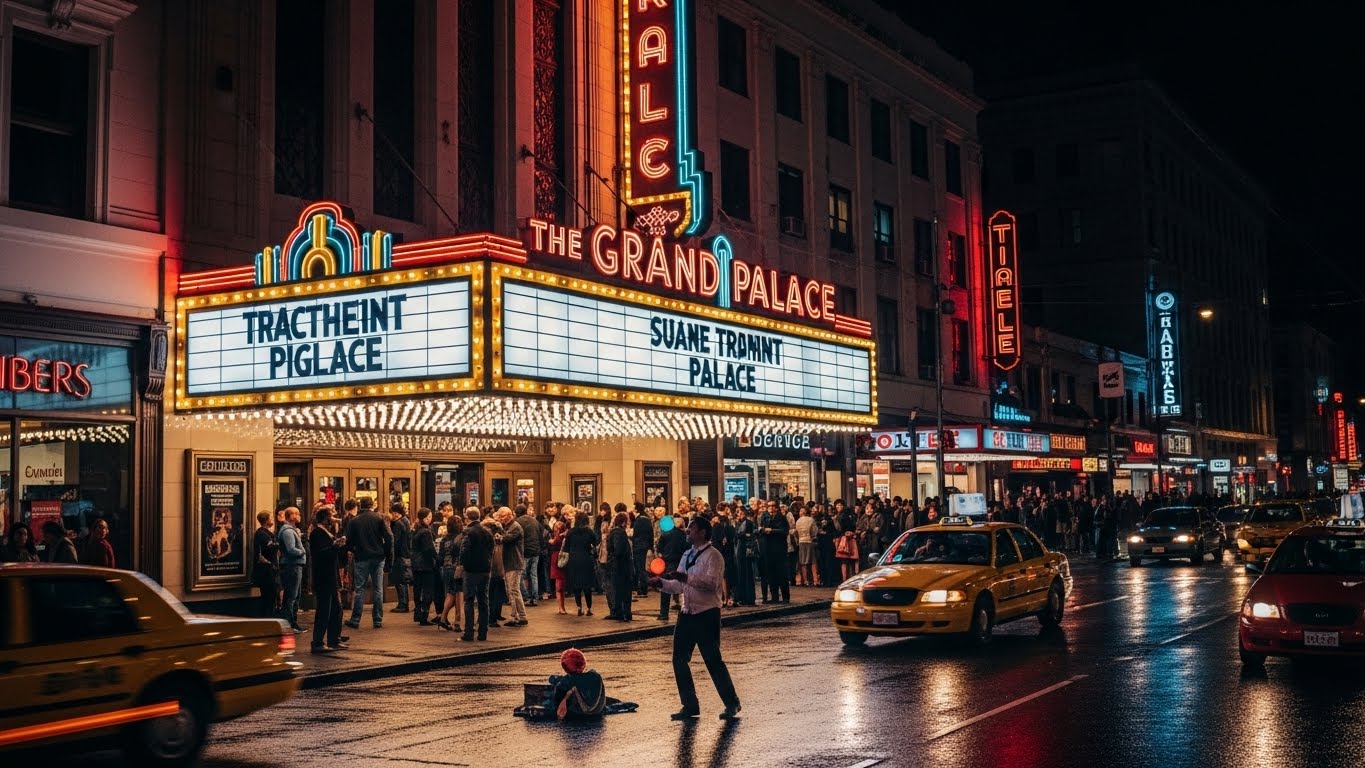
The late 19th century saw the arrival of cinema, which revolutionized entertainment once again. For the first time, moving pictures were shown to large audiences, giving rise to a new form of visual storytelling that captivated viewers. Hollywood, which became the epicenter of film production in the 20th century, turned movies into an international phenomenon. Stars like Charlie Chaplin and Marilyn Monroe became global icons, and people from all walks of life flocked to theaters to experience the magic of cinema.
Television and the Home Entertainment Revolution
While cinema was already a dominant form of entertainment by the mid-20th century, the advent of television in the 1950s shifted the way people consumed media. For the first time, families could sit down in their living rooms and watch live broadcasts, sitcoms, dramas, and even documentaries. Television brought a sense of community to entertainment, as entire families would gather around the TV set to watch popular shows like I Love Lucy or The Ed Sullivan Show.
In the decades that followed, TV continued to evolve, with the introduction of cable channels and then satellite television. This expanded the range of available content, giving people access to more specialized programming. Shows like The Simpsons and Friends became cultural touchstones, reflecting the social and political landscape of the time.
The Digital Age and the Internet Revolution
Enter the 21st century, and the internet began to change everything. With the rise of digital platforms like YouTube, Netflix, and Spotify, people no longer had to rely on traditional forms of entertainment. Instead, they could stream content whenever they wanted, on-demand, from the comfort of their own homes. This gave birth to the age of binge-watching, where people could consume entire seasons of TV shows in one sitting, revolutionizing the way people experienced narrative storytelling.
Simultaneously, the rise of social media platforms like Facebook, Twitter, and Instagram gave birth to a new form of entertainment that was interactive and driven by user-generated content. What began as a way to stay in touch with friends quickly transformed into a platform for viral videos, memes, and celebrity culture, allowing anyone with a smartphone to become a creator.
Gaming: The New Frontier of Entertainment
In addition to digital media, video games have become one of the most popular forms of entertainment in the world. What was once a niche hobby for geeks and enthusiasts has now become a mainstream form of entertainment enjoyed by millions, if not billions, of people worldwide.
Games like Fortnite, Minecraft, and League of Legends have transformed gaming into a social experience, with players from all corners of the globe connecting online to compete, collaborate, and explore virtual worlds. Esports tournaments, where professional gamers compete for huge prizes, have also become massive events, with millions of viewers tuning in to watch their favorite players battle it out.
Why Do We Seek Entertainment?
Entertainment isn’t just a way to pass the time—it serves an important function in our lives. But what is it about entertainment that makes it so appealing? What psychological needs does it fulfill?
Escapism: A Break from Reality
One of the primary reasons people seek entertainment is for escapism. Life can be stressful, and sometimes we just need a break from the constant demands of work, school, or personal responsibilities. Whether it’s watching an action-packed movie, reading a fantasy novel, or playing a video game, entertainment provides a temporary escape into a different world.
In fact, many of the most successful entertainment franchises, such as the Harry Potter series or The Lord of the Rings, offer an escape into fantastical worlds where the rules of reality don’t apply. These immersive experiences allow people to let go of their everyday concerns and get lost in another reality.
Social Connection: Building Communities Around Entertainment
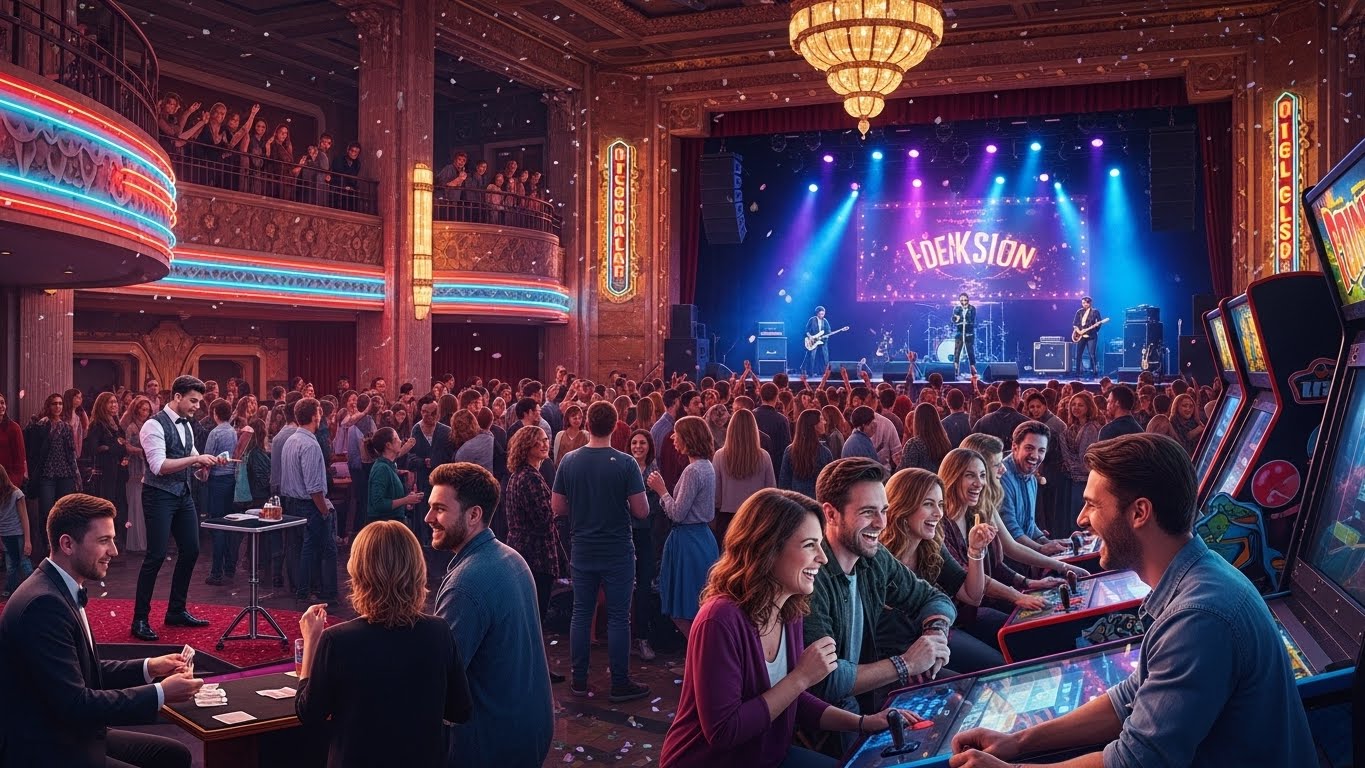
Another key aspect of entertainment is its ability to bring people together. Whether it’s attending a live concert, watching a sports game with friends, or playing multiplayer games online, entertainment creates shared experiences that foster connection and camaraderie.
Take, for example, the global phenomenon of K-pop. Fans from all over the world come together to celebrate their favorite bands, engage in online fan communities, and participate in events. Entertainment, in this sense, becomes a bridge between cultures, uniting people with a shared passion for music and performance.
Emotional Catharsis: A Way to Process Feelings
Entertainment also serves as a powerful tool for emotional expression. Whether it’s watching a tear-jerking drama, listening to a moving song, or playing a game that tugs at your heartstrings, entertainment allows us to experience and process emotions in a safe and controlled environment.
This emotional release, known as catharsis, is one of the reasons why so many people turn to movies or music during times of stress or sadness. Watching a movie like The Pursuit of Happyness or listening to Adele’s soulful ballads provides an emotional outlet that helps people process their own emotions and feel less alone in their struggles.
The Need for Novelty and Stimulation
Humans are naturally drawn to novelty and excitement. Entertainment provides an endless variety of options to stimulate our senses and satisfy our curiosity. The constant stream of new content—whether it’s the latest movie release, the next season of a popular TV show, or the hottest viral challenge on TikTok—keeps us engaged and coming back for more.
Platforms like Netflix and Spotify have mastered the art of keeping people hooked with personalized recommendations that cater to individual tastes and preferences. This constant influx of new material ensures that the entertainment industry remains dynamic and ever-evolving.
The Cultural Influence of Entertainment
Entertainment is more than just a way to pass the time—it shapes the culture and values of societies. Whether it’s influencing fashion, politics, or social norms, entertainment has the power to reflect and reshape the world around us.
Entertainment as a Reflection of Society
Often, entertainment mirrors the society that produces it. Films, TV shows, and music not only entertain but also comment on social issues, providing a lens through which people can examine their culture. For example, movies like The Social Network or The Big Short delve into the complexities of modern capitalism and the power dynamics of Silicon Valley and Wall Street, respectively.
Similarly, television series such as The Handmaid’s Tale address pressing societal concerns such as women’s rights and government control. These works provoke thought, spark debate, and encourage audiences to consider the world they live in.
Shaping Social Norms and Trends
Entertainment is a major driver of social trends. The clothes we wear, the slang we use, and even the way we view relationships are often shaped by popular culture. Icons like Beyoncé, Lady Gaga, and Taylor Swift influence fashion trends, beauty standards, and even political movements. Shows like Friends and The Office set the tone for how people interact with each other in their personal and professional lives.
Even the rise of social media influencers reflects how entertainment has become increasingly democratized, with ordinary people gaining fame through platforms like Instagram, YouTube, and TikTok. These influencers not only entertain but also shape the opinions and preferences of their followers, influencing everything from product choices to lifestyle decisions.
The Future of Entertainment: What’s Next?
The future of entertainment is an exciting, uncharted territory, with technology playing an even larger role in shaping how we experience stories and connect with one another.
Virtual Reality and Immersive Experiences
Virtual reality (VR) is already changing the way we experience entertainment. Instead of just watching a movie or playing a game, VR allows us to step into the action and be part of the story. Imagine attending a live concert as if you were actually there or exploring an alien planet in a sci-fi video game. The possibilities are endless, and as VR technology continues to improve, entertainment will become even more immersive and interactive.
Artificial Intelligence in Entertainment
Artificial intelligence (AI) is another game-changer in the entertainment industry. AI-powered content recommendations, deepfake technology, and even AI-generated music are all making their way into mainstream entertainment. While this raises questions about the authenticity and ethics of AI-generated content, it also opens up new possibilities for creativity and innovation.
Interactive Entertainment: The Rise of Choose-Your-Own-Adventure
Interactive entertainment is another trend that is gaining traction, especially with the rise of platforms like Netflix’s Bandersnatch and video games that offer branching narratives. The future of entertainment might involve even more ways for people to interact with stories, allowing them to make decisions that impact the outcome, creating a highly personalized experience.
Conclusion: Entertainment in Our Lives
From its humble beginnings in ancient storytelling to its present-day dominance in the form of movies, video games, and streaming platforms, entertainment has come a long way. Yet its core function remains the same: it provides us with a means to escape, connect, and express our emotions.
Whether it’s through the emotional highs and lows of a movie, the adrenaline rush of a video game, or the shared experiences of social media, entertainment shapes our lives in profound ways. As technology continues to advance and new forms of entertainment emerge, it’s clear that our relationship with entertainment will only grow deeper and more complex.
In the end, entertainment isn’t just about passing time—it’s about making sense of our world, exploring new ideas, and building connections with others. So, the next time you sit down to watch a film, play a game, or scroll through your feed, remember that you’re not just being entertained—you’re engaging with a fundamental part of what makes us human.