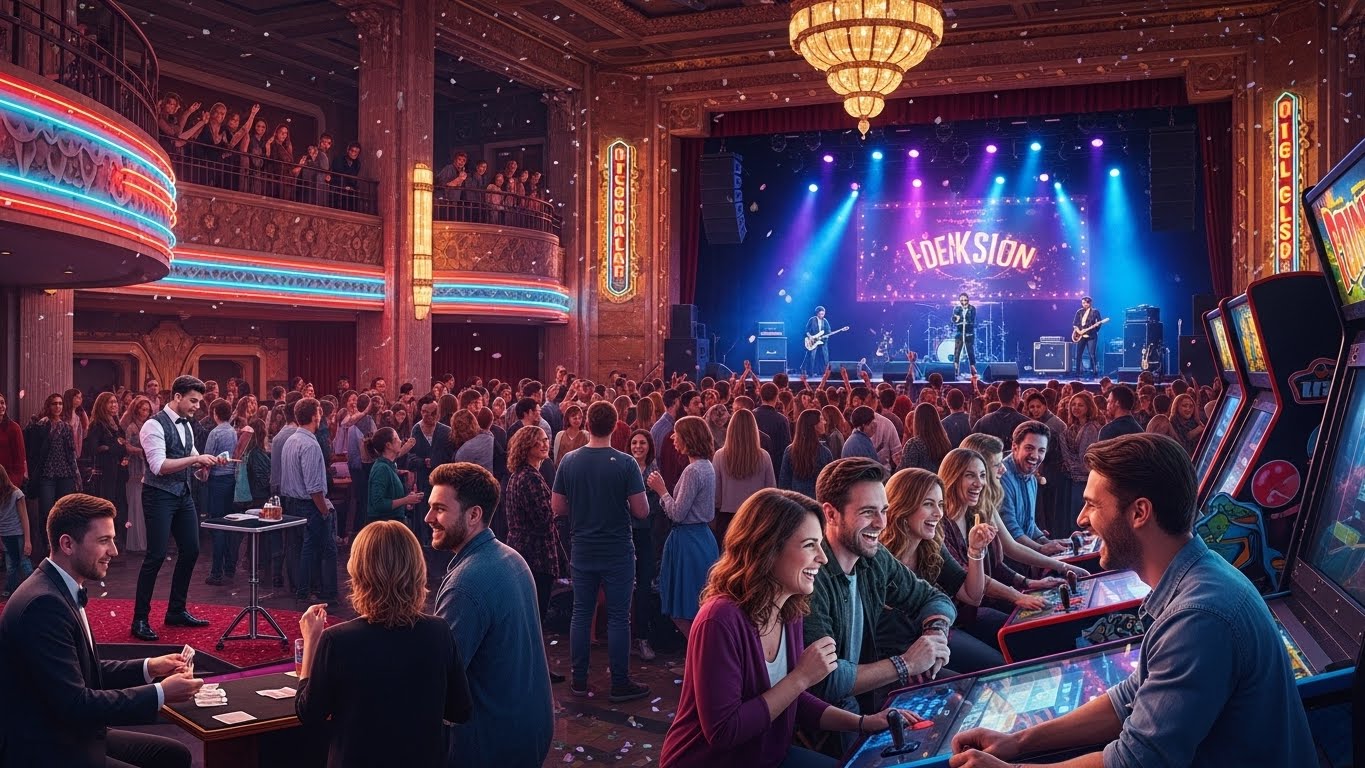

The Magic of Entertainment: How It Shapes Culture, Emotion, and Connection
Entertainment is a universal human experience, transcending time, culture, and geography. It is more than a form of leisure—it reflects our values, emotions, and creativity. From ancient rituals and storytelling to modern movies, music, and digital experiences, entertainment has always played a pivotal role in society. It entertains, inspires, educates, and unites, serving as a bridge between imagination and reality. In this blog, we explore the evolution of entertainment, its diverse forms, its social and emotional impact, and its future in an ever-changing world.
The Origins of Entertainment
Entertainment has existed since the earliest days of human civilization. Early humans engaged in music, dance, and storytelling around fires, sharing myths and lessons that conveyed culture and morality. These activities provided not only enjoyment but also a sense of community and identity.
As societies grew, structured forms of entertainment emerged. Ancient Greece and Rome introduced theater, gladiatorial games, and public spectacles. Storytelling evolved into literature, poetry, and epic narratives that educated and inspired. Entertainment has always mirrored human society, reflecting both our imagination and our shared experiences.
The Evolution of Storytelling
Storytelling is one of the oldest and most enduring forms of entertainment. Oral traditions allowed knowledge, culture, and values to be passed down through generations. With the invention of the printing press, literature became accessible to wider audiences, giving rise to novels, short stories, and poetry that could entertain as well as educate.
In modern times, storytelling has expanded into movies, television, and digital media. Visual storytelling combines narrative, performance, music, and imagery to create immersive experiences. Regardless of the medium, storytelling remains at the heart of entertainment, captivating audiences by tapping into universal emotions and human curiosity.
Cinema: A Window to the World
Film is one of the most influential forms of entertainment today. Cinema combines storytelling with visual artistry, music, and performance to transport audiences into different worlds. From the black-and-white classics of the early twentieth century to modern blockbusters, movies have the power to inspire, challenge, and evoke deep emotions.
Film genres reflect societal trends and interests. Superhero movies often explore heroism and justice, while independent films delve into social issues, identity, and culture. Cinema not only entertains but also reflects human experiences, allowing audiences to see themselves and others in new ways.
Television and the Shift to On-Demand Viewing
Television revolutionized entertainment by bringing content into homes worldwide. Early TV provided news, scripted shows, and variety programs that connected people to the world and each other. With the advent of cable and satellite channels, audiences gained access to diverse content from different genres and cultures.
Streaming platforms have further transformed television, offering on-demand access to series, documentaries, and movies. Binge-watching has changed how audiences engage with stories, allowing for deeper immersion and connection. Television today is both entertainment and cultural commentary, shaping social trends and perspectives.
Music: The Universal Connector
Music has always been a central part of entertainment, capable of conveying emotion, storytelling, and culture. From classical compositions to contemporary pop, hip-hop, and electronic music, genres evolve alongside society. Music accompanies celebration, reflection, and creativity, forming a universal language that connects people across cultures.
The digital era has made music more accessible than ever, with streaming platforms offering millions of songs at our fingertips. Live concerts, festivals, and intimate performances continue to provide communal experiences that deepen the emotional connection between artists and audiences. Music, in all its forms, remains a vital aspect of human expression.
Gaming: Interactive Entertainment
Video games represent a unique and rapidly growing sector of entertainment. Unlike passive forms such as movies or music, gaming requires active participation and decision-making. Games can range from strategic challenges to immersive role-playing worlds, offering both excitement and engagement.
Competitive gaming or esports has turned gaming into a professional pursuit, with tournaments, teams, and sponsorships similar to traditional sports. Games also foster social connection, with multiplayer experiences allowing players to collaborate and compete globally. Virtual reality and augmented reality are further expanding the boundaries of interactive entertainment, creating experiences that feel tangible and immersive.
Live Performances: Experiencing Entertainment in Real Time
Despite the rise of digital media, live performances remain a cornerstone of entertainment. Theater, concerts, dance shows, and performance art create immediacy and emotional resonance that recorded media cannot replicate. The energy of an audience, the unpredictability of performers, and the shared experience contribute to a sense of community and belonging.
Modern live entertainment often combines traditional forms with new experiences, such as immersive theater or interactive concerts. These events blur the line between audience and performer, enhancing engagement and creating unforgettable experiences. Live performances remind us of the human need for connection and collective celebration.
The Influence of Celebrity Culture
Celebrities have long been integral to entertainment, shaping fashion, lifestyle, and public opinion. Actors, musicians, and influencers drive trends, inspire fans, and create narratives that extend beyond their work. Social media has amplified celebrity influence, allowing audiences to engage directly with figures they admire.
While celebrity culture can inspire and entertain, it also raises questions about authenticity and societal impact. Nevertheless, the fascination with personalities continues to be a driving force in entertainment, influencing the type of content that is created and consumed.
Technology and the Future of Entertainment
Technology has reshaped how entertainment is created, distributed, and consumed. High-definition visuals, sophisticated sound systems, and streaming capabilities enhance the quality and accessibility of content. Interactive formats, artificial intelligence, and virtual reality provide new ways to engage with entertainment.
Technology has also democratized content creation, allowing individuals to share music, videos, or games with global audiences. This innovation encourages creativity and diversity, ensuring that entertainment continues to evolve alongside human imagination.
Entertainment and Emotional Well-Being
Entertainment has profound effects on mental and emotional health. Engaging with music, games, movies, or live performances provides relaxation, stress relief, and a sense of connection. Stories and experiences allow individuals to process emotions, empathize with others, and explore new perspectives safely.
Certain entertainment mediums, such as educational games, documentaries, or interactive experiences, also promote learning and personal growth. By stimulating curiosity, imagination, and critical thinking, entertainment supports cognitive and emotional development.
Cultural Impact of Entertainment
Entertainment reflects and shapes culture. Films, music, literature, and games can challenge social norms, inspire movements, and convey shared values. Global access to media has facilitated cross-cultural exchange, enabling people to experience diverse traditions and perspectives.
Through entertainment, societies preserve history, celebrate identity, and spark dialogue on important issues. It serves as a mirror of cultural values while also acting as a catalyst for change, making it an integral part of social and cultural life.
The Business of Entertainment
Entertainment is also a major economic driver. The industry generates revenue through ticket sales, streaming subscriptions, advertising, merchandising, and sponsorships. It creates employment opportunities for creative professionals, technicians, marketers, and event managers.
Innovative business models, such as digital distribution and subscription services, have revolutionized the industry, providing new ways for audiences to access content. The economic impact of entertainment highlights its importance beyond leisure, influencing global commerce and technology.
The Future of Entertainment
The future of entertainment promises even more innovation. Emerging technologies, such as augmented reality, virtual reality, and AI-generated content, will continue to redefine experiences. Personalized, interactive, and immersive forms of entertainment will engage audiences in new ways.
As culture evolves, entertainment will adapt to reflect changing values, social dynamics, and technological possibilities. Its ability to innovate ensures that it will remain a vital part of human life, inspiring creativity, connection, and emotional engagement.
Conclusion: Entertainment as a Reflection of Humanity
Entertainment is not merely a pastime—it is a fundamental aspect of human life. It reflects our creativity, emotions, and social interactions, offering both escapism and insight. From ancient storytelling to digital media, entertainment has evolved to meet the needs of society while shaping culture and experience.
As technology advances and audiences become more engaged, entertainment will continue to evolve, connecting people across the world, inspiring imagination, and celebrating the richness of human life. It remains a powerful lens through which we understand ourselves, others, and the world around us.